
 Quality Management



















 IT Service Management



 Project Management


 Agile Management



 Web Development



 Cloud Computing
Quality Management Training & Certification Programs
Join our Quality Management Training Program and gain industry-recognized Six Sigma Certification, including White Belt, Yellow Belt, Green Belt, and Black Belt training. Learn quality improvement, process optimization, Lean Six Sigma methodologies, problem-solving techniques, and operational excellence from industry experts through practical and corporate-focused learning programs.
 Free
Free
 Free
Free


 Free
Free


 Free
Free
 Free
Free


 Free
Free

 Free
Free

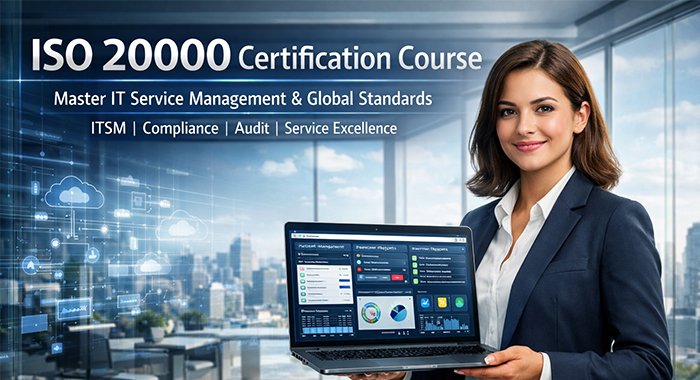 25% off
 Free
Free
 22% off
 23% off
 30% off

 Free
Free
 Free
Free


Corporate Training Solutions
Industry-Experienced Trainers
Delivering Expert-Led Sessions Globally via Live Online Training
Tailored Courses in Your Language
Customized Training to Meet Your Specific Needs



Your Knowledge Partner for Professional Growth
A leading player in the training and certifications space, Haworth Learning has transformed the lives of thousands of IT and business professionals, by helping them upgrade their skills. In response to the changing industry landscape, Haworth Learning is now offering management and soft skills training too.

Successfully Trained Professionals From Fortune 1000 Companies










Blogs

Quality Management FAQs
No. Six Sigma tools and DMAIC methodology can be applied by an individual within any team or department, even if your organization hasn't adopted Six Sigma formally. Many professionals use their certification to introduce structured process improvement practices into their team before wider organizational adoption.
Both formats are available and follow the same curriculum, led by the same trainers. Classroom training at our Noida center suits those who prefer in-person interaction, while live online batches offer flexibility for working professionals. Certification outcomes and project requirements are identical across both formats.
Lean focuses on eliminating waste and speeding up processes; Six Sigma focuses on reducing variation and defects using statistical analysis. Many organizations combine both as "Lean Six Sigma," which is what our Green Belt and Black Belt programs teach — giving you tools for both speed and precision.
Yes. While Six Sigma originated in manufacturing, it's now widely applied in IT service delivery, healthcare operations, banking and financial services, logistics, and consulting. Any industry with repeatable processes — where defects, delays, or inefficiencies cost money — benefits from Six Sigma's structured, data-driven approach.
Start with the free Awareness Workshop (White Belt level) or Yellow Belt if you want a working credential. These require no prior experience and give you enough foundation to decide whether to progress toward Green Belt, which is where most professionals begin taking on real improvement projects.
Our Green Belt and Black Belt programs require a capstone project applying DMAIC to a real workplace process, not just a written exam. This distinguishes practical, employer-recognized certification from purely theoretical courses — you finish with a completed improvement project you can present to employers.
Green Belt training typically takes 4–6 weeks, including instructor-led sessions and a project assignment. Black Belt is more intensive, usually running 8–12 weeks due to its deeper statistical content and mandatory capstone project. Both durations vary slightly depending on classroom versus self-paced online formats.
DMAIC stands for Define, Measure, Analyze, Improve, and Control — a five-phase framework for solving process problems with data rather than guesswork. Every belt level, from Yellow through Black, is built around applying DMAIC to real business scenarios, which is why it's the common thread across all our courses.
No. Six Sigma is a process-improvement methodology, not a technical discipline. Professionals from operations, healthcare, finance, IT, HR, and customer service backgrounds regularly complete Yellow Belt and Green Belt certifications without prior engineering or statistics experience — our training builds these skills from the ground up.
Six Sigma certifications follow a belt system: White Belt (or our Awareness Workshop) introduces basic concepts with no prerequisites; Yellow Belt adds DMAIC fundamentals for team members; Green Belt trains professionals to lead improvement projects independently; and Black Belt covers advanced statistical analysis for leading complex, cross-functional initiatives.
What Is Quality Management Training and Why Does It Matter?
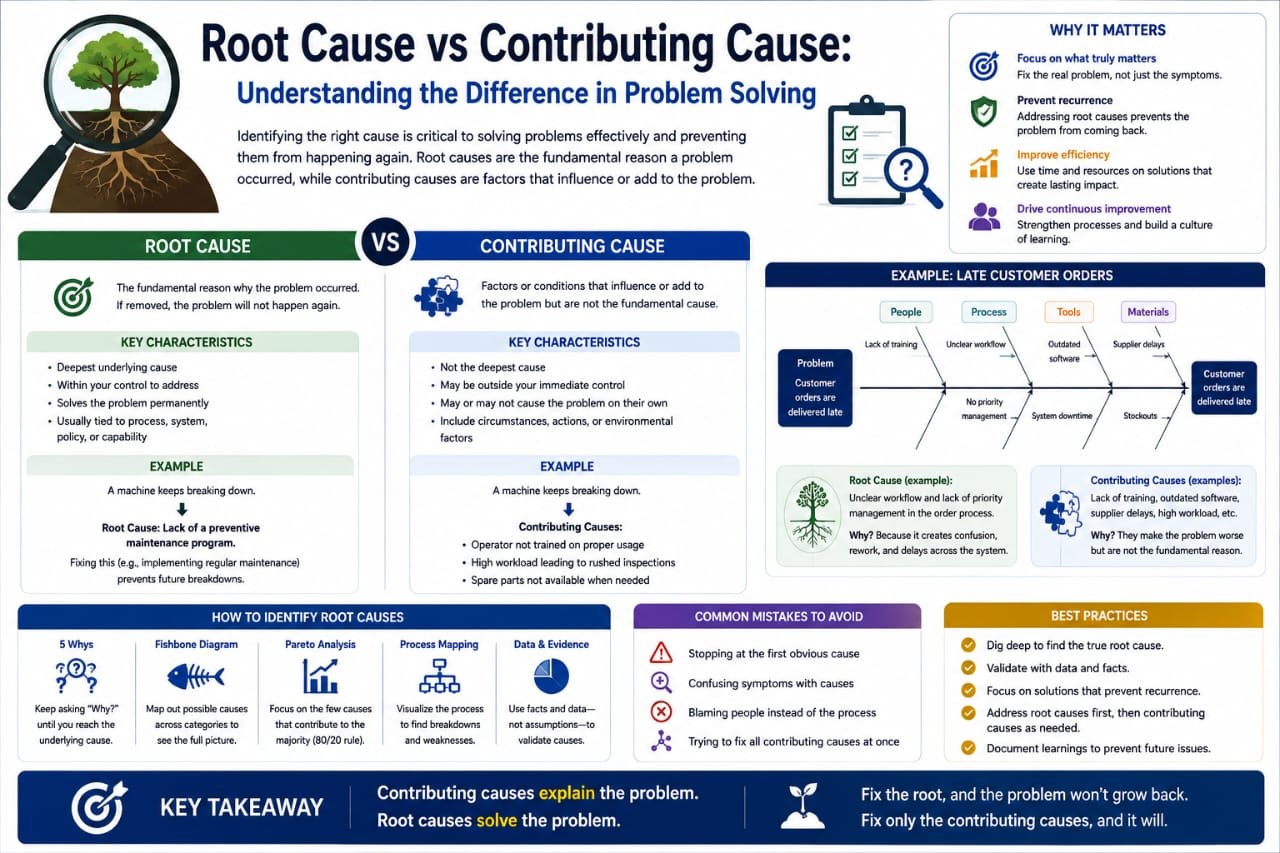
Quality management is the practice of ensuring that products, services, and internal processes consistently meet or exceed customer expectations. It is no longer limited to manufacturing floors — today, quality professionals are driving improvements across IT, healthcare, logistics, finance, automotive, and consulting sectors.
In India, demand for Six Sigma certified professionals has grown sharply over the past three years. Companies across Delhi NCR, Noida, Gurugram, and Bengaluru — including MNCs and Fortune 500 firms — are actively hiring professionals who can eliminate waste, reduce defects, and lead structured improvement projects.
At Haworth Solutions, our Quality Management Training Program is built for working professionals, freshers, and corporate teams looking to implement Lean Six Sigma at scale. Based in Noida Sector 18, we deliver both online and classroom training across India with a curriculum focused on real-world application, not just passing an exam.
Six Sigma Belt Levels — Which Certification Is Right for You?
Six Sigma certifications are structured in belt levels, each suited to a different career stage and responsibility level. Here is a clear comparison to help you choose the right program.
| Belt Level | Who Is It For | Duration | Haworth Fee | Avg Salary in India |
|---|---|---|---|---|
| White Belt | Freshers & Beginners | Self-paced | Free | Awareness level |
| Yellow Belt | Junior Professionals | 2–4 weeks | ₹7,000 | ₹4–6 LPA |
| Green Belt | Mid-level Managers | 4–6 weeks | ₹23,000 | ₹8–18 LPA |
| Black Belt | Senior Leaders | 8–12 weeks | ₹34,999 | ₹17–25 LPA |
| ISO 20000 | IT Service Professionals | Flexible batches | ₹30,000 | Role-specific |
Who Should Enroll in Our Quality Management Program?
Our Quality Management Training is designed for professionals at every career stage. Here is who benefits most from each program.
Freshers and Recent Graduates
If you have recently completed your graduation, starting with a free White Belt or ₹7,000 Yellow Belt gives you an immediate competitive edge in job applications and campus placements. Many companies hiring for quality analyst roles across Noida, Delhi, and Gurugram prefer candidates who already hold a Six Sigma certification — even at entry level.
Mid-Level Managers and Team Leaders
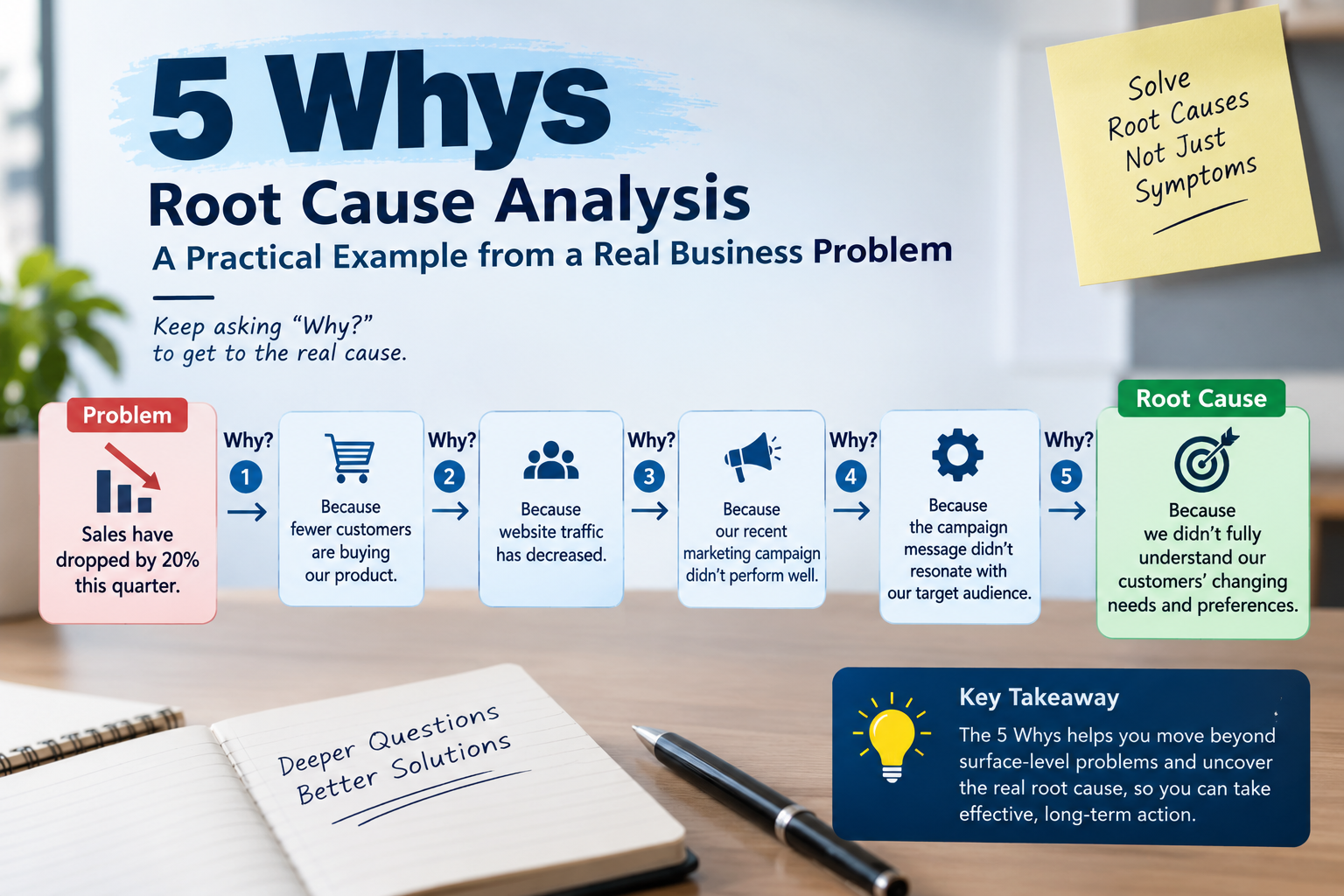
If you are managing a team and want to reduce rework, improve delivery quality, or lead a structured improvement project, the Green Belt program is the right choice. You will learn data-driven decision-making, root cause analysis, and how to run a DMAIC project from start to finish.
Quality Analysts and Quality Engineers
Already working in QA or QC? A Green Belt or Black Belt certification formalises your existing expertise and significantly strengthens your salary negotiation position. Our trainers bring real case studies from manufacturing, IT, and healthcare so the learning is immediately applicable to your current role.
Corporate Teams and Organisations
We offer dedicated corporate training workshops for organisations looking to build a Lean Six Sigma culture across departments. Our trainers are available for onsite and live online sessions across India. We customise the curriculum to your industry, your processes, and your improvement goals — whether your team is in manufacturing in Pune, IT in Hyderabad, or logistics in Delhi NCR.
Industries Where Six Sigma Certification Makes an Impact
Six Sigma is not a manufacturing-only methodology. Anywhere there is a repeatable process, there is waste, variation, and room for improvement. Here is where our certified professionals are creating the most value across India.
| Industry | Where Six Sigma Helps | Common Job Roles |
|---|---|---|
| Manufacturing | Defect reduction, production efficiency, supplier quality | Quality Engineer, Process Lead |
| IT & Software | Sprint quality, incident reduction, service delivery optimisation | Quality Analyst, Process Manager |
| Healthcare | Patient safety, billing errors, operational flow | Quality Coordinator, Operations Head |
| BFSI | Loan processing speed, fraud control, compliance accuracy | Process Improvement Lead, Ops Manager |
| Logistics | Delivery accuracy, inventory control, waste elimination | Supply Chain Analyst, Six Sigma Lead |
| Automotive | Assembly line quality, warranty cost reduction | Quality Manager, Plant Operations Lead |
| Consulting | Cross-industry process improvement and advisory projects | Lean Consultant, Six Sigma Trainer |
What Is the DMAIC Framework?
DMAIC stands for Define, Measure, Analyse, Improve, and Control. It is the five-phase structured problem-solving methodology at the core of every Six Sigma program. Every belt level at Haworth Solutions — from Yellow Belt to Black Belt — is built around applying DMAIC to real business problems.
Define
Identify the problem clearly — what it is, who it affects, and what a successful outcome looks like. Key tools include the Project Charter, SIPOC diagram, and Voice of the Customer (VoC) analysis.
Measure
Collect reliable baseline data to confirm the problem is real and understand how severe it is. This phase establishes your measurement system and identifies key process inputs and outputs.
Analyse
Separate symptoms from root causes using tools like fishbone diagrams, Pareto analysis, regression analysis, and hypothesis testing. This phase answers why the problem is happening — not just where.
Improve
Design and implement solutions that directly target the root cause. Tools include FMEA, Design of Experiments (DOE), and brainstorming frameworks. All decisions are data-driven.
Control
Put control plans, standard operating procedures, and monitoring systems in place so the improvements are sustained over time. This is where Six Sigma delivers lasting, measurable business value.
Why Choose Haworth Solutions for Quality Management Training?
There are many Six Sigma training providers in India. Here is what makes Haworth Solutions the right choice for professionals across Delhi NCR, Noida, Mumbai, Hyderabad, and Bengaluru.
Industry-Experienced Trainers
Every Haworth trainer is a working professional who has led actual DMAIC projects and delivered measurable results for real organisations — not instructors who only teach in classrooms.
Practical, Project-Based Learning
Our programs include real-world case studies, live project simulations, and scenario-based assessments. By the end of your certification, you will have applied the tools — not just memorised them.
Online and Classroom Options Across India
Choose from weekend batches, weekday sessions, or self-paced online learning. Our classroom training is held at Noida Sector 18 — near the Metro Station — making it easily accessible from Delhi, Greater Noida, Gurugram, and Faridabad.
Certification Preparation Support
Every paid program includes mock tests, practice question banks, doubt-clearing sessions with your trainer, and retrospective review classes. We are committed to helping you clear your certification on the first attempt.
Corporate Training at Scale
For teams of 10 to 500+, Haworth Solutions offers customised corporate quality management workshops — delivered live online or onsite across India, with a curriculum tailored to your industry and improvement goals.