
 Quality Management



















 IT Service Management



 Project Management



 Agile Management




 Web Development



 Cloud Computing


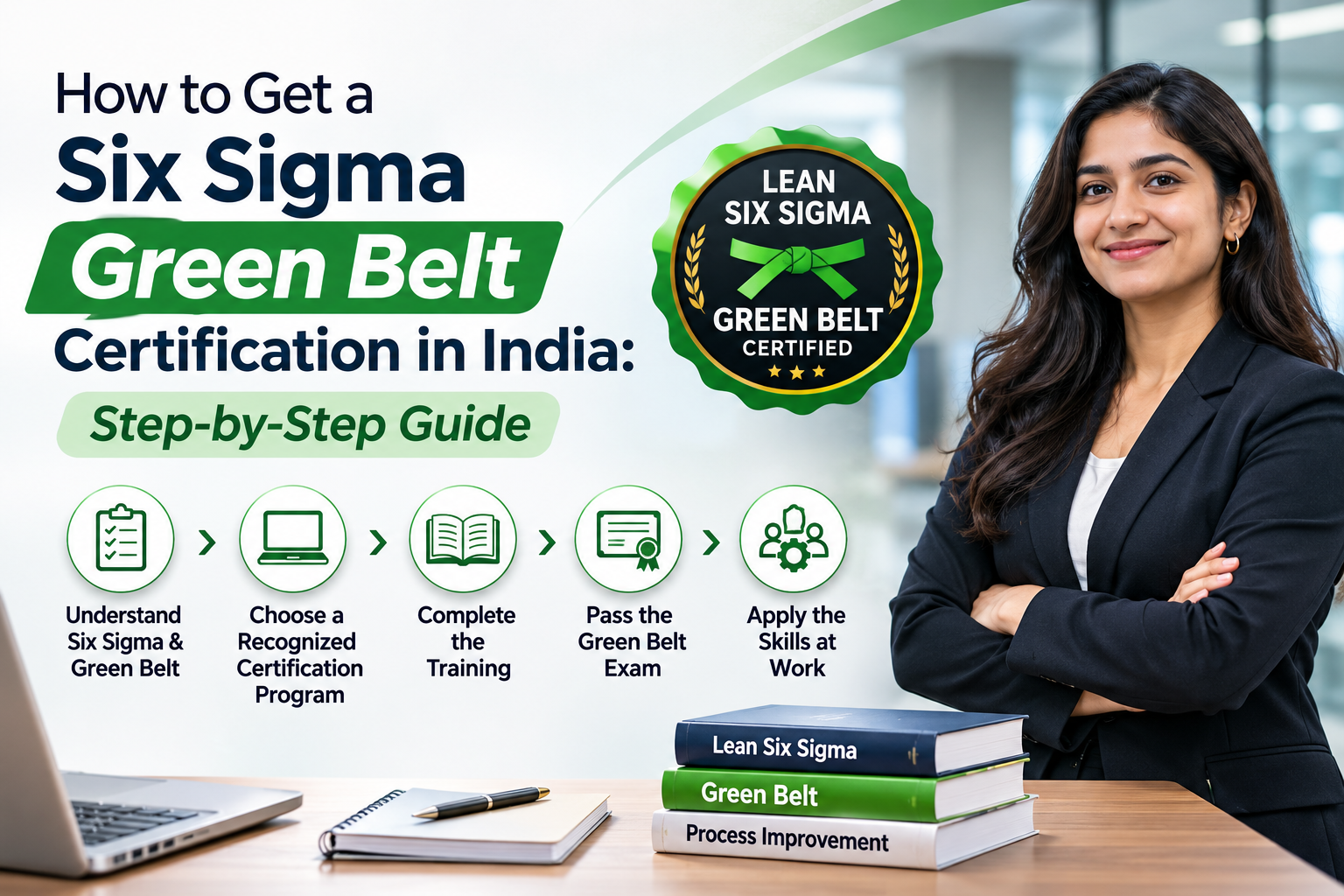
Are you a working professional or a fresh graduate looking to enhance your career prospects in quality management? The Six Sigma Green Belt certification could be your next step. Not only does it validate your expertise in process improvement, but it also opens doors to numerous career opportunities across various industries in India.
- Understand the importance of Six Sigma in the Indian job market.
- Get detailed steps for obtaining your Green Belt certification.
- Explore the costs and time commitments involved in the certification process.
- Learn about career advancements and salary expectations post-certification.
- Discover common myths and mistakes surrounding Six Sigma certification.
Understanding Six Sigma and Its Relevance in India
Six Sigma is a data-driven methodology aimed at eliminating defects and improving processes across organizations. In India, the demand for Six Sigma professionals is rising, especially in industries such as manufacturing, IT, healthcare, and finance. With increasing competition, companies are actively seeking certified professionals who can lead process improvement initiatives.
Many Indian companies, including Tata Consultancy Services (TCS), Wipro, and Infosys, prioritize Six Sigma certifications during hiring. This certification not only strengthens your resume but also equips you with skills that are valuable in a range of roles, from project management to quality assurance.
Step-by-Step Guide to Obtaining Six Sigma Green Belt Certification
1. Choose the Right Training Course
To earn your Six Sigma Green Belt certification, the first step is to select a reputable training provider. Look for courses that offer:
- Comprehensive curriculum covering DMAIC (Define, Measure, Analyze, Improve, Control) methodology
- Hands-on projects and case studies relevant to Indian industries
- Flexibility for online learning, especially for working professionals
Haworth Solutions offers a well-structured Green Belt training course that caters to the needs of Indian professionals.
2. Complete the Required Training Hours
Most certification bodies require candidates to complete a specific number of training hours. Typically, this ranges from 35 to 40 hours of instruction. Ensure you cover all key topics such as:
- Statistical analysis and tools
- Process mapping and control charts
- Quality improvement techniques
3. Pass the Certification Exam
After completing your training, the next step is to take the certification exam. Certification bodies like the IASSC (International Association for Six Sigma Certification) oversee this process. Here’s a simplified view:
| Exam Details | Information |
|---|---|
| Format | Multiple Choice Questions (MCQs) |
| Duration | 3 hours |
| Number of Questions | 100 |
| Passing Score | 70% |
4. Receive Your Certification
Once you pass the exam, you will receive your Six Sigma Green Belt certification. This credential is valid for life, but you may want to pursue continuing education to stay current in the field.
Career Benefits of Six Sigma Green Belt Certification
Obtaining a Six Sigma Green Belt certification can significantly impact your career. Here are some benefits:
- Enhanced Job Opportunities: Many organizations prefer candidates with Six Sigma certification, leading to increased job openings.
- Salary Increase: Certified professionals can expect a salary range of ₹6,00,000 to ₹12,00,000 per annum, depending on experience and industry.
- Career Advancement: The certification prepares you for roles such as Quality Manager, Process Improvement Specialist, and Team Leader.
Common Myths and Mistakes About Six Sigma Certification
There are several misconceptions surrounding Six Sigma certifications that can mislead potential candidates:
- Myth 1: Certification guarantees a high-paying job. While it enhances your employability, actual job placement depends on various factors like experience.
- Myth 2: Six Sigma is only for engineers. Professionals from various backgrounds, including finance and healthcare, can benefit from this certification.
- Mistake: Underestimating the importance of practical knowledge. Engaging in real-world projects during training is crucial for mastering the concepts.
Cost Considerations for Six Sigma Green Belt Certification in India
The cost of obtaining a Six Sigma Green Belt certification can vary based on the training provider and course format. Here’s a general breakdown:
| Cost Breakdown | Estimated Costs (₹) |
|---|---|
| Training Course Fee | ₹20,000 - ₹50,000 |
| Certification Exam Fee | ₹10,000 - ₹15,000 |
| Study Materials | ₹5,000 - ₹10,000 |
Investing in a quality training program from a recognized provider, such as Haworth Solutions, is essential.
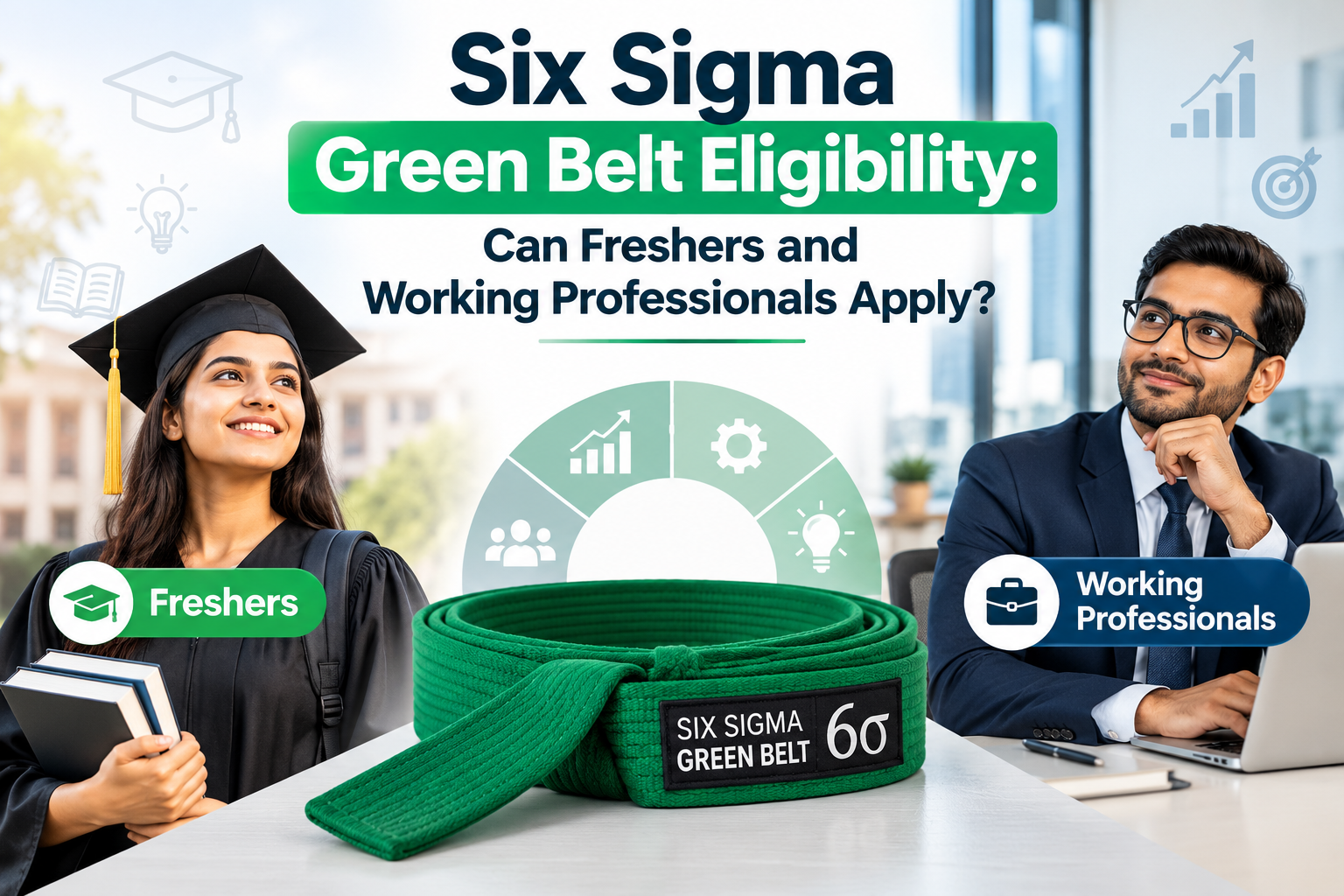
Eligibility and Exam Considerations for India
Before enrolling in a Six Sigma Green Belt training program, it’s important to understand the eligibility criteria:
- Typically, a basic understanding of statistics is recommended.
- No specific degree is required, but professionals in quality management or related fields will find it easier.
- Some certification bodies may require prior completion of a Yellow Belt certification.
Expert Tips for Success in Your Six Sigma Journey
To maximize your Six Sigma Green Belt certification experience, consider these expert tips:
- Engage actively in training sessions and ask questions.
- Practice using Six Sigma tools on real projects at work.
- Join Six Sigma forums or local chapters to network with other professionals.
Frequently Asked Questions
What is Six Sigma Green Belt certification?
Six Sigma Green Belt certification validates an individual's ability to lead quality improvement projects using Six Sigma methodologies. It focuses on the DMAIC process and equips candidates with data analysis and problem-solving skills.
How long does it take to obtain Six Sigma Green Belt certification?
Typically, it takes around 2-4 weeks to complete the training course, followed by a certification exam. The entire process can be completed within a month if you are dedicated.
What are the job prospects after obtaining a Six Sigma Green Belt certification in India?
Job prospects are promising, with industries like manufacturing, healthcare, and IT actively seeking certified professionals. Positions include Quality Analyst, Process Improvement Manager, and Operations Manager.
Can I pursue Six Sigma Green Belt certification online?
Yes, many training providers, including Haworth Solutions, offer online Six Sigma Green Belt certification courses that provide the flexibility to learn at your own pace.
Is there a need for recertification for Six Sigma Green Belt?
Generally, Six Sigma Green Belt certification does not expire, but continuous improvement and education in the field are encouraged to stay relevant.
How does the cost of Six Sigma Green Belt certification compare to other certifications?
The cost of Six Sigma Green Belt certification is competitive compared to other certifications like PMP or ITIL, making it an economical choice for professionals looking to enhance their quality management skills.
Ready to take the next step in your professional journey? Explore the Green Belt training course offered by Haworth Solutions and elevate your career in quality management. Book a free demo or counseling session today!



Leave a Comment