
 Quality Management



















 IT Service Management



 Project Management



 Agile Management




 Web Development



 Cloud Computing


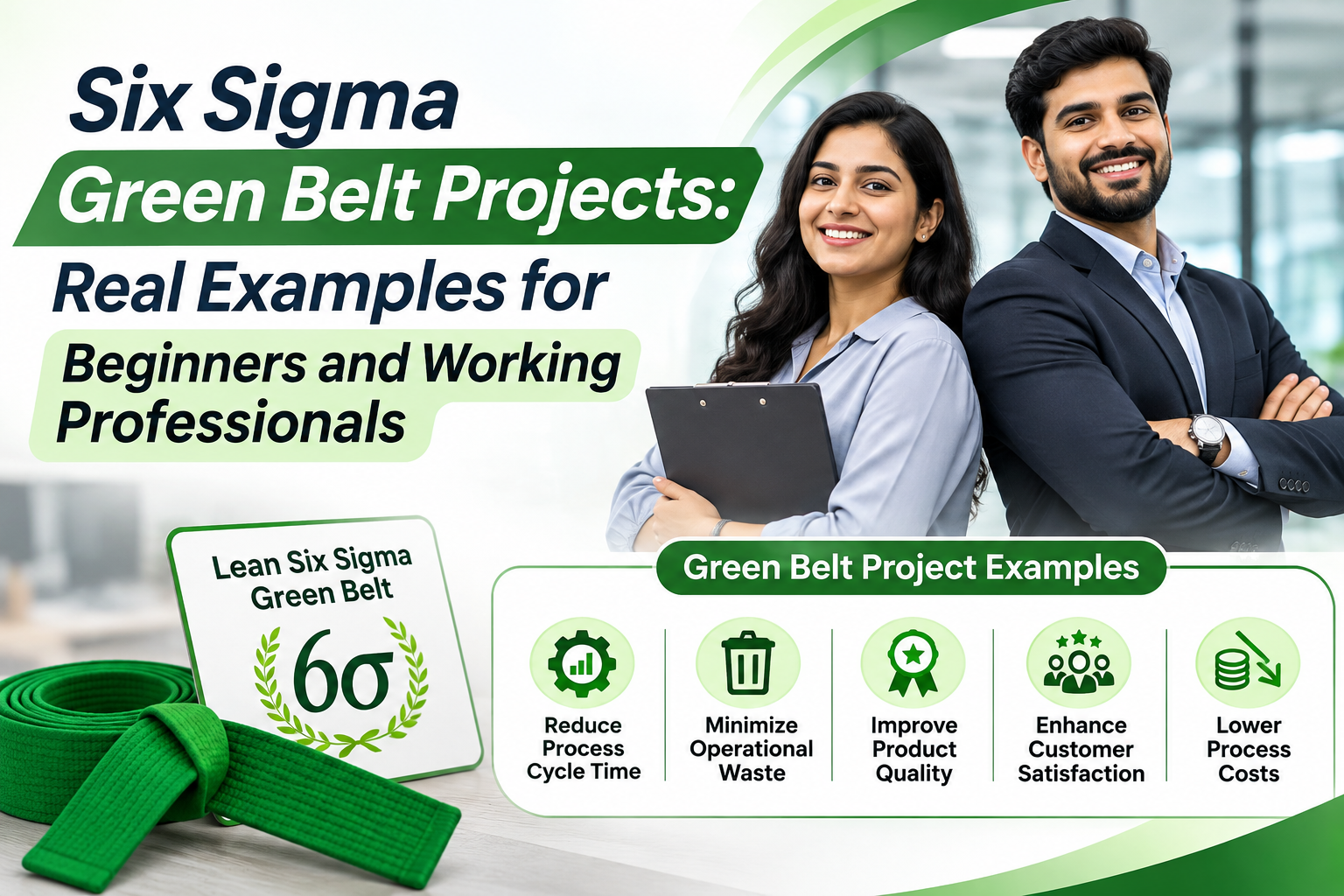
Are you a working professional or a fresh graduate looking to boost your career with practical skills? Six Sigma Green Belt projects can provide you with the hands-on experience you need to excel in process improvement and quality management. But where do you start? This guide will not only give you real project examples but also equip you with the knowledge to select and implement your own projects effectively.
- Key Takeaways:
- Real examples of Six Sigma Green Belt projects tailored for beginners and professionals.
- A deeper understanding of the DMAIC methodology.
- Career benefits of Six Sigma certification in India.
- Common pitfalls to avoid when starting your project.
- Cost and eligibility considerations for Six Sigma training.
Understanding Six Sigma and Its Importance
Six Sigma is a data-driven methodology aimed at improving processes by eliminating defects and variability. This approach is particularly valuable in industries such as manufacturing, healthcare, and IT. In India, companies are increasingly adopting Six Sigma practices, leading to a growing demand for professionals certified in this methodology.
Six Sigma Green Belt Project Examples
For beginners and working professionals alike, having a clear understanding of real project examples can facilitate learning and application. Here are some exemplary projects that demonstrate the practical application of Six Sigma principles:
1. Reducing Call Center Response Time
A call center aimed to reduce average response time from 30 seconds to 15 seconds. The team utilized the DMAIC (Define, Measure, Analyze, Improve, Control) process:
- Define: Identify the problem and set a target response time.
- Measure: Gather data on current response times.
- Analyze: Identify root causes, such as understaffing during peak hours.
- Improve: Implement a scheduling system to ensure adequate coverage.
- Control: Monitor response times and adjust staffing as needed.
2. Streamlining Inventory Management
A retail company faced issues with excess inventory leading to high holding costs. The Green Belt project focused on optimizing inventory turnover:
- Define: Establish a target inventory turnover rate.
- Measure: Analyze current inventory levels and sales data.
- Analyze: Determine slow-moving items and their impact on costs.
- Improve: Implement a new inventory management system.
- Control: Regularly review inventory levels and sales trends.
3. Enhancing Patient Care in Healthcare Facilities
A hospital aimed to improve patient discharge times. The project employed DMAIC as follows:
- Define: Target a reduction in discharge delays.
- Measure: Collect data on current discharge times.
- Analyze: Identify bottlenecks in the discharge process.
- Improve: Streamline communication among departments.
- Control: Establish a feedback loop to monitor discharge efficiency.
How to Select a Six Sigma Project
Choosing the right project is critical for success. Here are some guidelines to help you select a Six Sigma project that aligns with your skill level and career goals:
- Relevance: Ensure the project addresses real problems within your organization.
- Impact: Choose projects that can yield significant improvements or cost savings.
- Feasibility: Assess available resources and support for implementation.
- Learning Opportunity: Opt for projects that will enhance your skills and knowledge.
Career Benefits of Six Sigma Certification
Obtaining a Six Sigma Green Belt certification can significantly enhance your career prospects in India. Here are some benefits:
- Higher Salary Potential: Certified professionals typically earn ₹6,00,000 to ₹12,00,000 annually, depending on experience and industry.
- Increased Job Opportunities: Many companies, particularly in manufacturing and IT, prefer candidates with Six Sigma certification.
- Career Advancement: Green Belts often move into leadership roles, driving process improvements across teams.
Common Mistakes and Myths About Six Sigma Projects
As you embark on your Six Sigma journey, be aware of these common pitfalls and misconceptions:
- Overcomplicating Projects: Beginners often try to implement overly complex solutions. Start simple and scale up.
- Neglecting Data: Decisions should be data-driven. Relying on intuition can lead to failure.
- Ignoring Team Input: Engage your team in the process; their insights can be invaluable.
Cost and Eligibility Considerations for Six Sigma Training in India
The investment in Six Sigma training can vary significantly based on the provider. Here’s a brief overview:
| Course | Provider | Typical Fee (₹) | Duration |
|---|---|---|---|
| Six Sigma Green Belt | IASSC, PMI | ₹25,000 - ₹50,000 | 2-3 months |
| Lean Six Sigma Green Belt | Haworth Solutions | ₹30,000 - ₹55,000 | 2-3 months |
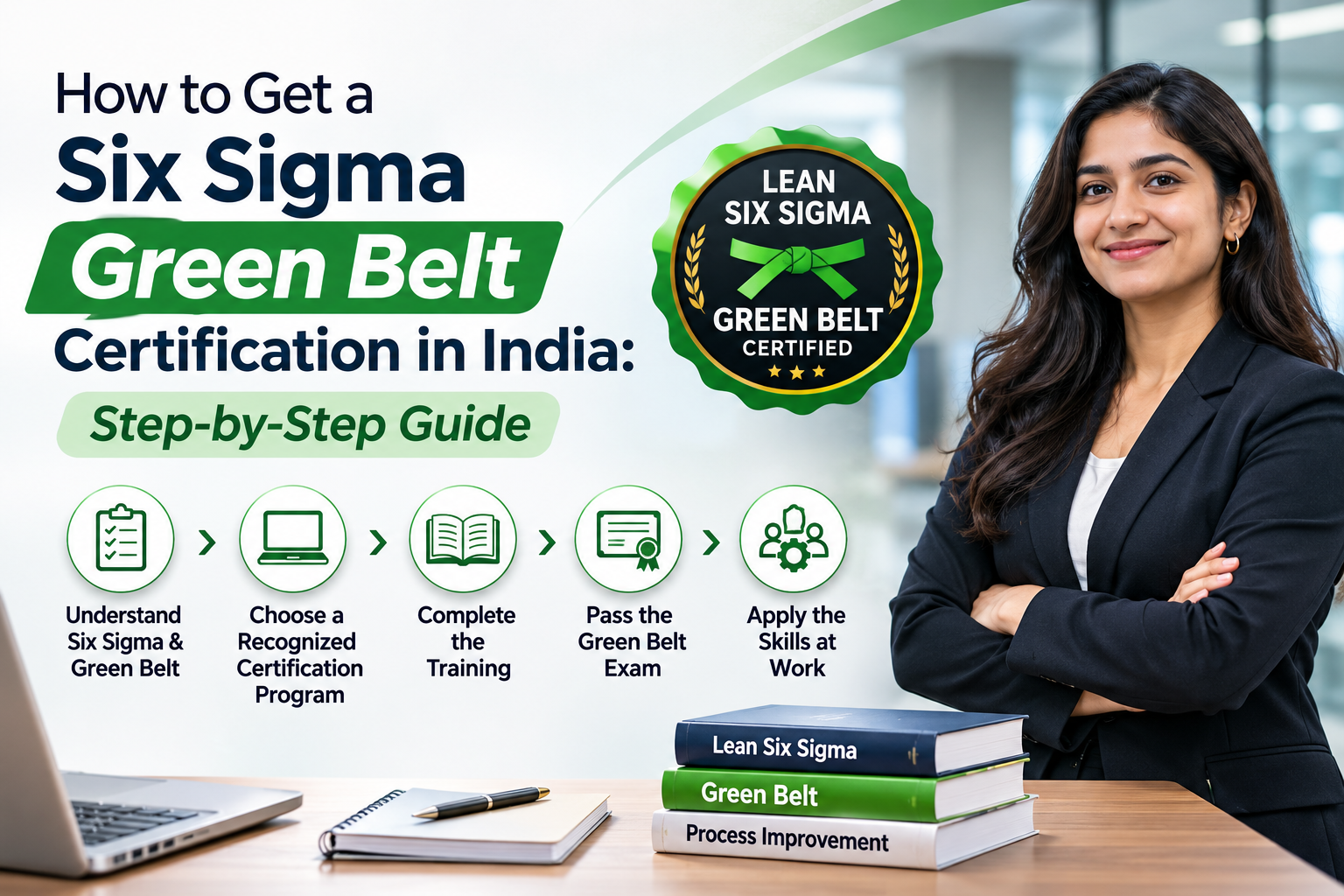
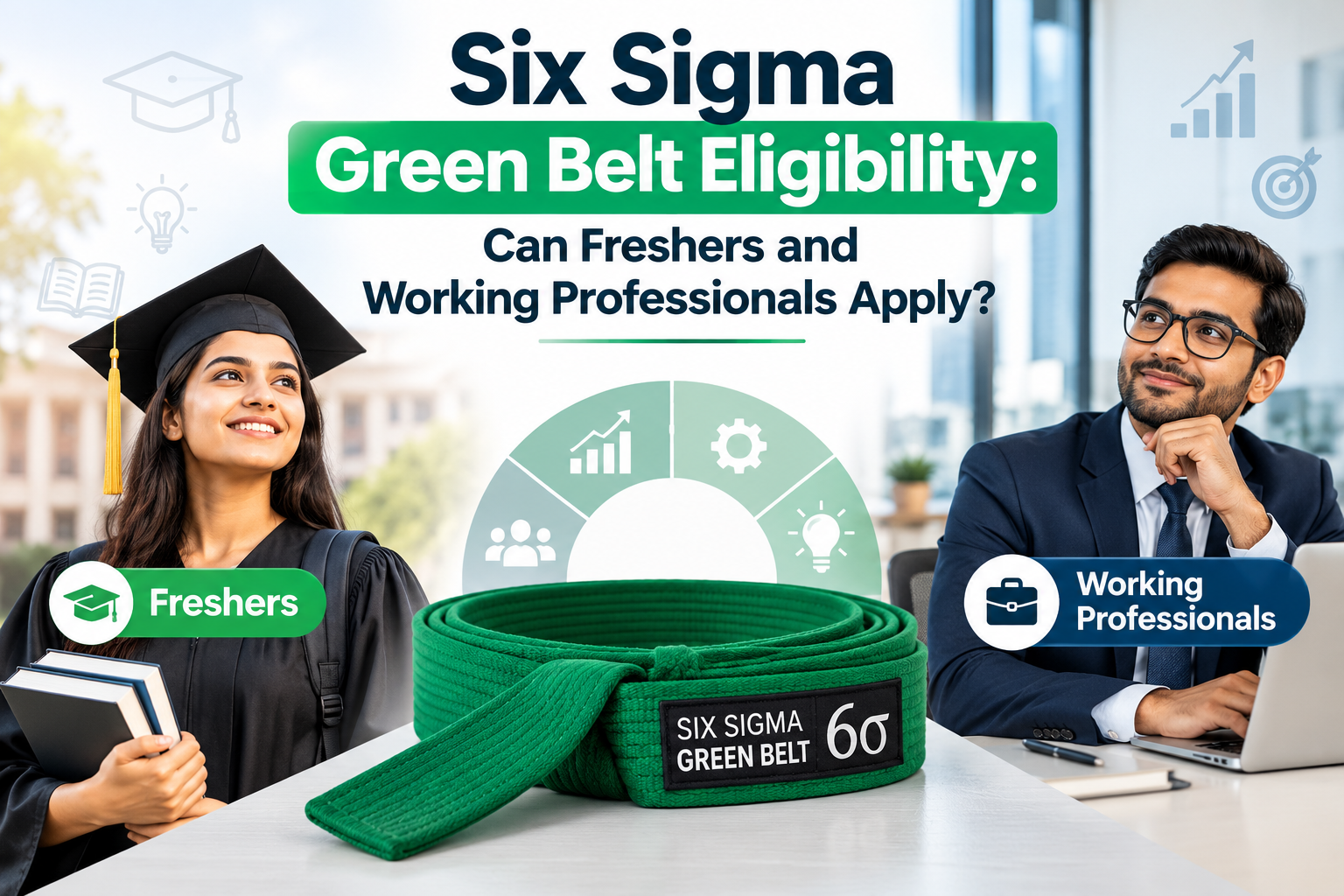
Most programs require a basic understanding of process improvement concepts, but many are designed for beginners, making them accessible to fresh graduates and professionals alike.
Expert Tips for Successful Six Sigma Projects
To ensure the success of your Six Sigma projects, consider these expert recommendations:
- Start with Training: Invest time in understanding Six Sigma principles and methodologies before initiating projects.
- Use Real Data: Always rely on actual data to guide your analysis and decisions.
- Engage Stakeholders: Keep communication open with all stakeholders, ensuring everyone is aligned with project goals.
Frequently Asked Questions
What is a Six Sigma Green Belt certification?
A Six Sigma Green Belt certification signifies your understanding of the Six Sigma methodology and your ability to lead process improvement projects. This certification is often pursued by professionals looking to enhance their skills in quality management.
How long does it take to complete a Six Sigma Green Belt course?
Typically, Six Sigma Green Belt courses take about 2 to 3 months to complete, depending on the provider and the depth of the curriculum.
What industries benefit from Six Sigma Green Belt projects?
Industries such as manufacturing, healthcare, IT, and finance benefit greatly from Six Sigma projects, as these sectors often deal with complex processes that can be optimized for better efficiency and quality.
Are Six Sigma certifications recognized in India?
Yes, Six Sigma certifications, particularly from recognized bodies like IASSC or PMI, are highly regarded in the Indian job market and can significantly enhance your employability.
What is the average salary for a Six Sigma Green Belt in India?
The average salary for a Six Sigma Green Belt in India ranges from ₹6,00,000 to ₹12,00,000, depending on experience and the specific industry.
Can I pursue a Six Sigma Green Belt certification online?
Yes, many institutions offer online Six Sigma Green Belt certification courses that provide flexibility and accessibility for working professionals.
If you're ready to enhance your career with Six Sigma training, consider exploring the comprehensive Green Belt certification course offered by Haworth Solutions. Book a free demo session today to see how we can help you succeed in your professional journey.



Leave a Comment