
 Quality Management



















 IT Service Management



 Project Management



 Agile Management



 Web Development



 Cloud Computing


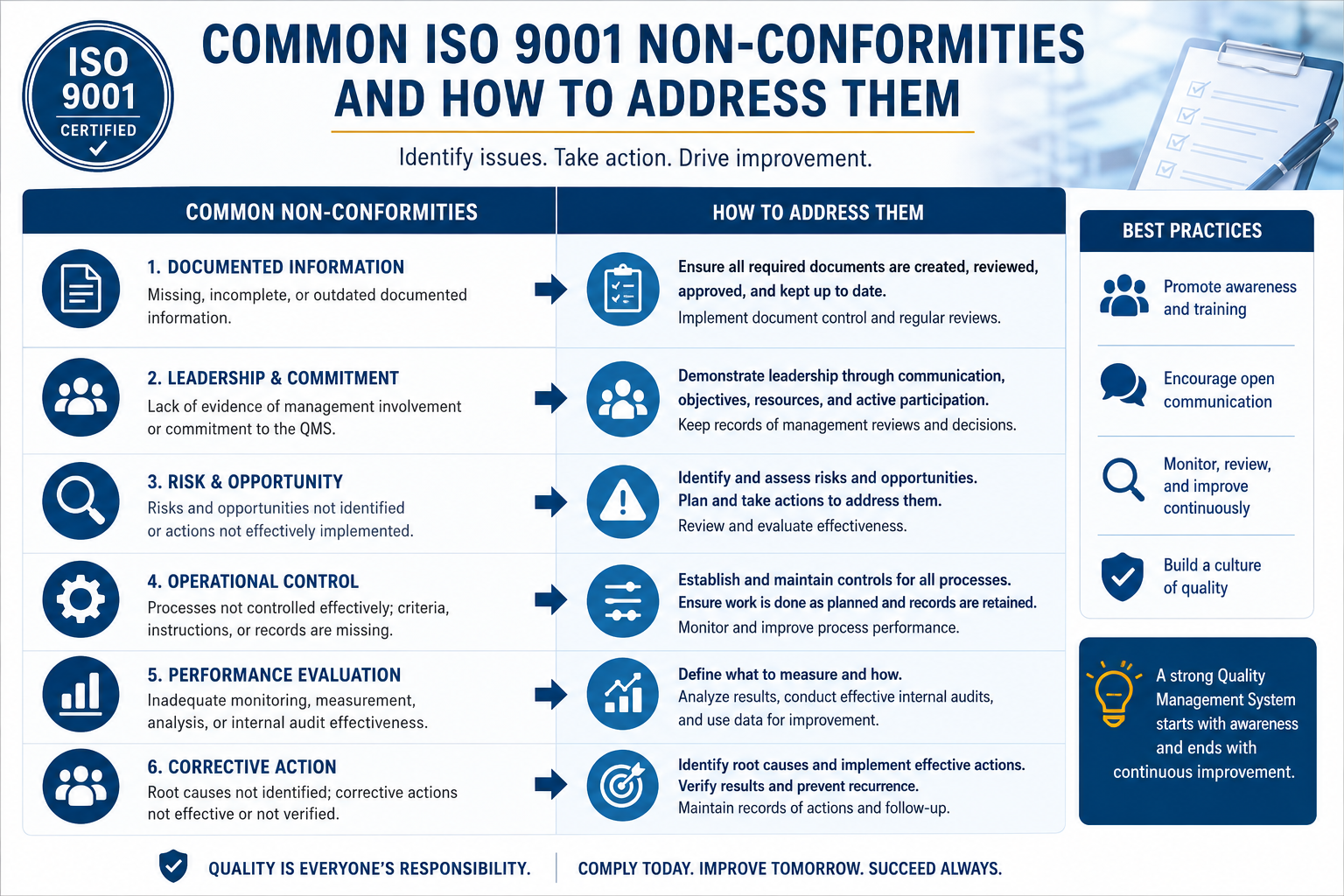
ISO 9001 certification is a vital benchmark for organizations striving for quality management system excellence. It is essential to understand that achieving ISO 9001 compliance is not a one-time effort but an ongoing commitment to continuous improvement. During ISO 9001 audits, organizations often encounter non-conformities that can hinder their path to compliance. In this article, we will explore common ISO 9001 audit findings, non-conformance management, and how to create an effective corrective action plan to ensure ISO compliance.
Understanding ISO 9001 Non-Conformities
Non-conformities refer to instances where an organization fails to meet the requirements established in the ISO 9001 standard. These findings can arise from various sources, including internal audits, management reviews, or external audits conducted by certification bodies. Addressing these non-conformities promptly is crucial for maintaining your ISO 9001 certification and ensuring customer satisfaction.
Types of ISO 9001 Non-Conformities
Non-conformities can be classified into two primary categories: major and minor. Understanding the difference is crucial for effective non-conformance management.
- Major Non-Conformity: This type indicates a significant failure to meet ISO 9001 requirements that could potentially affect the organization’s ability to achieve its objectives. Examples include a lack of documented procedures or failure to implement quality management principles.
- Minor Non-Conformity: Minor non-conformities are less severe but still require attention. They often relate to documentation errors or minor lapses in procedure adherence.
Common ISO 9001 Audit Findings
Let’s delve into some of the most common ISO 9001 audit findings that organizations in India face:
1. Inadequate Documentation
One of the most frequent non-conformities identified during ISO 9001 audits is inadequate documentation. This includes missing or incomplete quality manuals, procedures, or records that fail to demonstrate compliance with ISO standards.
2. Lack of Management Commitment
Management commitment is fundamental to an effective quality management system. A lack of visible support from management can lead to non-conformities, as employees may not prioritize quality initiatives without strong leadership.
3. Insufficient Training and Competence
Employees must be adequately trained and competent in their roles to ensure compliance with ISO 9001. Non-conformities often arise when organizations fail to provide the necessary training, leading to errors and inconsistencies in processes.
4. Ineffective Corrective Action Processes
Organizations often struggle with implementing effective corrective action processes. When non-conformities are identified, organizations must have a systematic approach to address and prevent recurrence. Failure to do so can lead to repeated issues.
5. Customer Feedback Management
Proper management of customer feedback is essential for continuous improvement. Non-conformities can arise when organizations do not effectively capture, analyze, and act on customer feedback.
Addressing ISO 9001 Non-Conformities
Now that we understand common ISO 9001 audit findings, let's discuss how to effectively manage these non-conformities.
1. Conduct a Root Cause Analysis
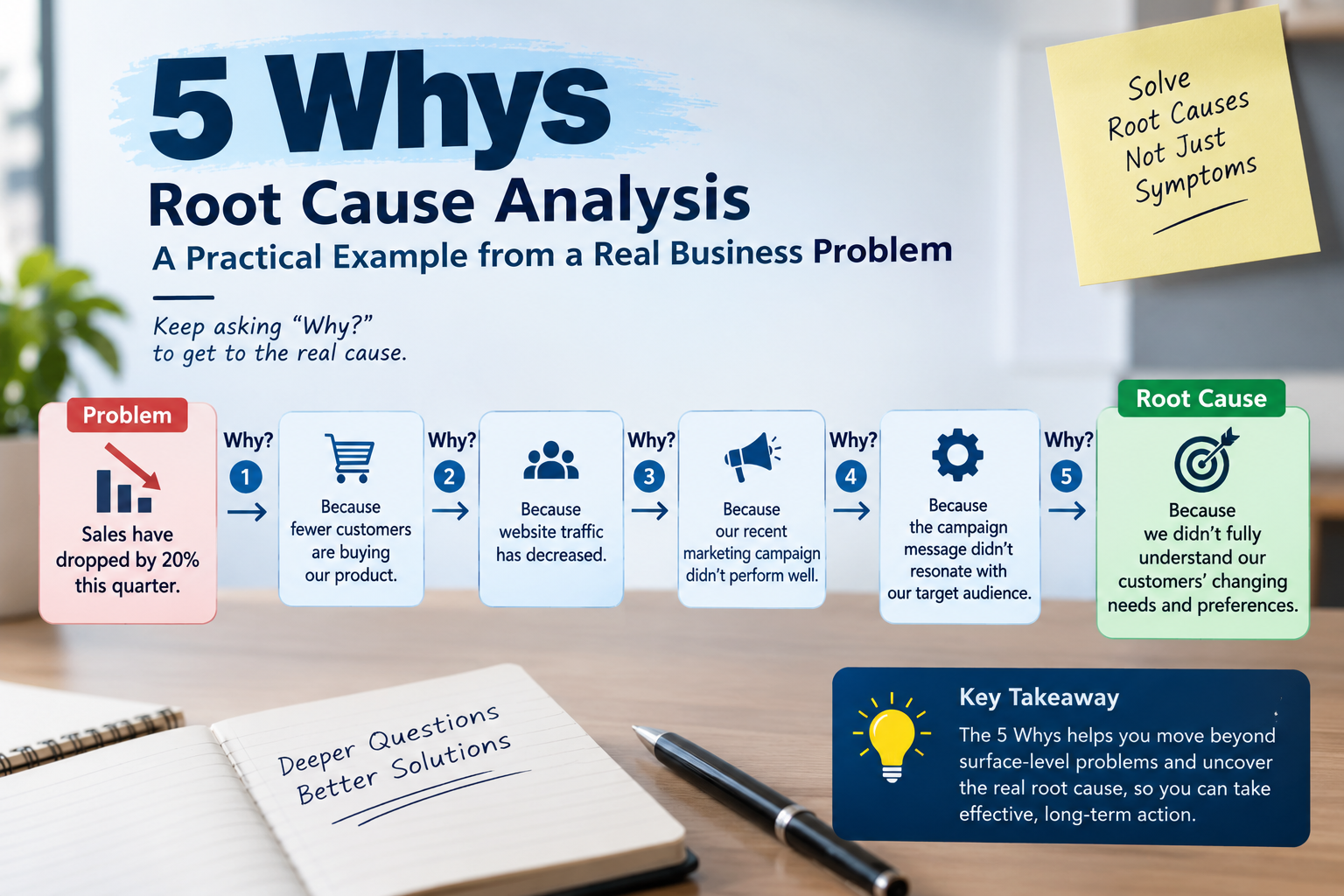
Before implementing corrective actions, it’s crucial to conduct a thorough root cause analysis to identify the underlying issues causing the non-conformities. Use methods such as the 5 Whys or Fishbone Diagram to dig deep into the problem.
2. Develop a Corrective Action Plan
Once you identify the root cause, create a detailed corrective action plan. This plan should outline:
- The specific non-conformity being addressed
- Root cause analysis findings
- The corrective actions to be taken
- Responsible personnel for implementing the actions
- A timeline for completion
- Methods to verify the effectiveness of the actions
3. Implement the Corrective Action
Ensure that the corrective actions outlined in your plan are communicated to all relevant personnel. It is essential to provide the necessary resources and support to facilitate the implementation process.
4. Monitor and Review
After implementing corrective actions, monitor the processes to ensure that the non-conformity does not recur. Regularly review the effectiveness of the corrective actions taken, and make adjustments as necessary.
5. Document Everything
Documentation is critical in ISO 9001 compliance. Ensure that all non-conformities, corrective actions, and monitoring activities are thoroughly documented. This documentation will be invaluable during future audits.
Best Practices for Non-Conformance Management
To effectively manage non-conformities and enhance your ISO 9001 compliance efforts, consider the following best practices:
- Foster a Quality Culture: Encourage a culture of quality within your organization. This can be achieved through training, management commitment, and open communication about quality issues.
- Regular Internal Audits: Conduct regular internal audits to identify potential non-conformities before external audits. This proactive approach can save time and resources in the long run.
- Engage Employees: Involve employees at all levels in the non-conformance management process. Their insights can provide valuable perspectives on improving processes.
- Utilize Technology: Leverage technology to streamline documentation and tracking of non-conformities and corrective actions. Quality management software can enhance efficiency.
Frequently Asked Questions (FAQs)
1. What is ISO 9001?
ISO 9001 is an international standard for quality management systems (QMS), outlining criteria for organizations to ensure they meet customer and regulatory requirements consistently.
2. How do I prepare for an ISO 9001 audit?
Preparation involves understanding the ISO 9001 requirements, conducting internal audits, reviewing documentation, and ensuring all employees are aware of their roles in achieving compliance.
3. What should I do if I receive a non-conformance report?
Review the report immediately, conduct a root cause analysis, and develop a corrective action plan to address the findings. Ensure to document all actions taken.
4. How often should I conduct internal audits?
It is recommended to conduct internal audits at least once a year, but the frequency may vary based on the size and complexity of your organization.
Conclusion
Addressing ISO 9001 non-conformities effectively is crucial for maintaining compliance and ensuring customer satisfaction. By following the steps outlined in this article and implementing best practices for non-conformance management, your organization can improve its quality management system and achieve ISO compliance. Remember, the goal is continuous improvement, so always be proactive in identifying and addressing potential non-conformities.
If you need assistance with ISO 9001 compliance or have questions about non-conformance management, feel free to reach out to us for expert guidance. Together, we can enhance your quality management efforts!



Leave a Comment