
 Quality Management



















 IT Service Management



 Project Management



 Agile Management




 Web Development



 Cloud Computing



In the dynamic landscape of project management, effective project decision making is paramount. Whether you are managing a small team or leading a large-scale initiative, the ability to make informed decisions can significantly impact the success of your project. This blog delves into various decision frameworks that every project manager should master, enhancing their project leadership and project strategy.
Understanding Decision-Making Frameworks
A decision-making framework is a structured approach that assists project managers in analyzing options and making choices that align with project goals. By employing these frameworks, project managers can improve their management techniques, streamline processes, and enhance team collaboration.
Importance of Decision-Making in Project Management
In the Indian context, where diverse cultures and rapidly evolving markets coexist, robust decision-making is crucial. Effective decision-making can lead to:
- Increased project efficiency
- Enhanced team morale and collaboration
- Better risk management
- Improved stakeholder satisfaction
- Higher chances of project success
1. The Rational Decision-Making Model
The Rational Decision-Making Model is the classic approach that emphasizes logical reasoning and structured analysis. It involves several steps:
- Identifying the problem
- Gathering information
- Evaluating alternatives
- Making a decision
- Implementing the decision
- Reviewing the outcome
This model is beneficial for project managers who prefer a systematic approach. However, it may not always account for emotional and intuitive factors that can also influence decisions.
2. SWOT Analysis
SWOT (Strengths, Weaknesses, Opportunities, Threats) Analysis is a versatile framework that helps project managers assess internal and external factors that can impact their projects. Here’s how to use it:
- Strengths: Identify what your project excels at.
- Weaknesses: Recognize areas that need improvement.
- Opportunities: Look for external factors that could benefit your project.
- Threats: Identify potential challenges that could hinder progress.
By using SWOT analysis, project managers can develop a comprehensive understanding of their project's landscape, leading to informed decision-making.
3. The Decision Tree
A Decision Tree is a graphical representation of decisions and their possible consequences. This framework allows project managers to visualize different pathways and outcomes based on various choices. Here’s how it works:
- Define the decision to be made.
- Identify all possible options.
- Map out the potential outcomes for each option.
- Evaluate the consequences and probabilities of each outcome.
Decision Trees are particularly useful for projects with multiple variables and uncertainties, helping managers make choices that are data-driven and strategic.
4. The Pareto Principle (80/20 Rule)
The Pareto Principle, or the 80/20 rule, suggests that 80% of outcomes come from 20% of causes. In project management, this means that a few key decisions can significantly influence project success. Project managers can apply this principle by:
- Identifying critical tasks that yield the most significant results.
- Focusing resources on high-impact decisions.
- Minimizing time spent on low-impact activities.
By concentrating efforts on the most impactful elements, project managers can enhance overall productivity and ensure successful project outcomes.
5. The Agile Decision-Making Framework
In the realm of project management, agility is key. The Agile Decision-Making Framework emphasizes flexibility, collaboration, and iterative progress. This approach includes:
- Regular feedback loops
- Cross-functional team collaboration
- Incremental decision-making
This framework is particularly beneficial in fast-paced environments, allowing project managers to adapt quickly to changes and stakeholder feedback, ensuring alignment with project goals.
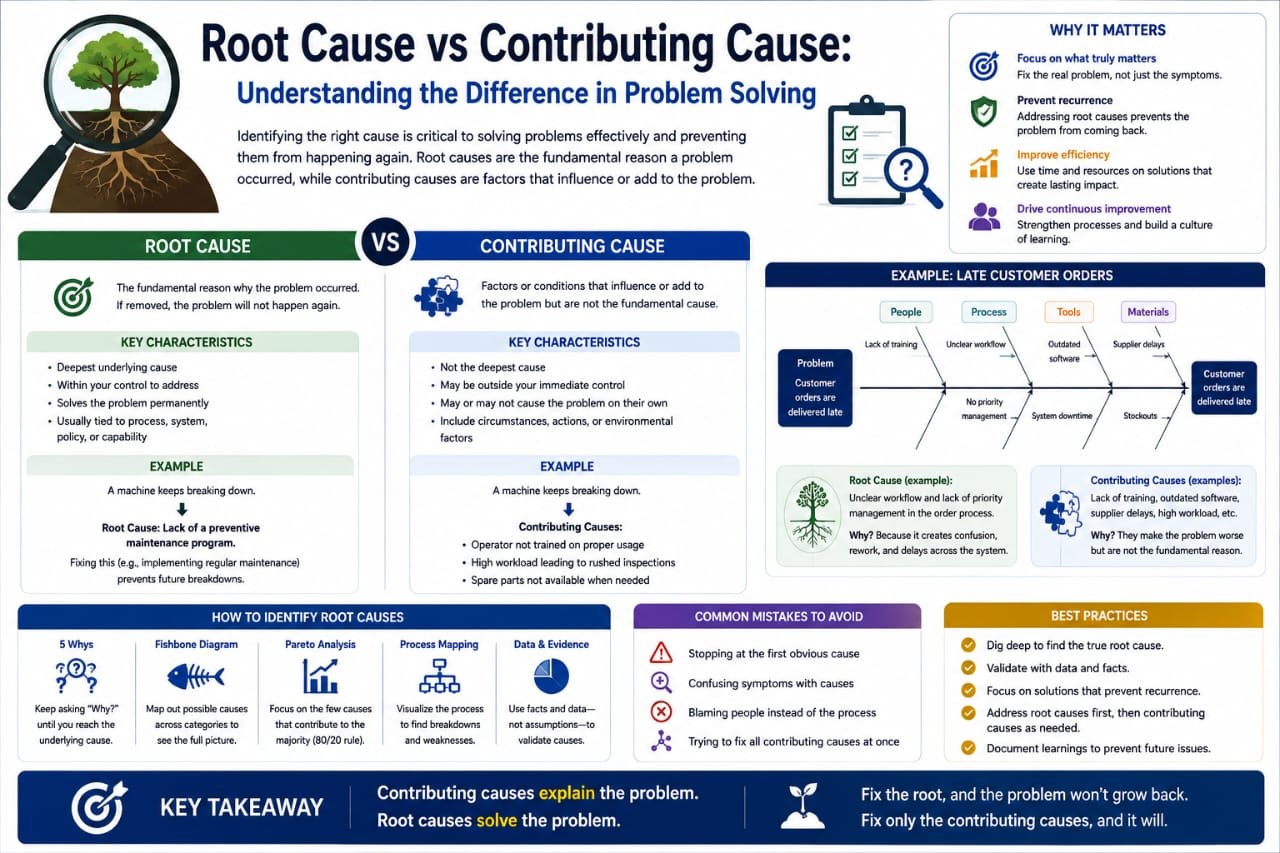
6. The Five Whys Technique
The Five Whys technique is a simple yet effective problem-solving method that helps project managers identify the root cause of a problem by asking "why" five times. This approach can lead to deeper insights and more effective solutions. Here’s how to implement it:
- Clearly define the problem.
- Ask why this problem occurs.
- Continue asking why for each answer until you reach the root cause.
By understanding the underlying issues, project managers can make better decisions that address the core of the problem rather than just its symptoms.
7. The Delphi Method
The Delphi Method is a structured communication technique that gathers opinions from experts anonymously. This approach can be particularly useful when making decisions in complex projects. Key steps include:
- Identifying a panel of experts.
- Gathering their insights through rounds of questioning.
- Summarizing the responses and sharing them with the panel for further reflection.
This iterative process helps project managers leverage expert knowledge while minimizing biases and encouraging open dialogue.
FAQs About Decision-Making Frameworks in Project Management
What is a decision-making framework?
A decision-making framework is a structured approach that guides project managers in making informed choices by analyzing various options and their potential outcomes.
Why are decision-making frameworks important for project managers?
They enhance efficiency, improve team collaboration, aid in risk management, and ultimately lead to higher project success rates.
How can I choose the right decision-making framework for my project?
Consider factors such as project complexity, team dynamics, and stakeholder involvement to select a framework that aligns with your project goals.
Are these frameworks applicable to all types of projects?
While these frameworks are versatile, it's essential to tailor them according to the specific context and requirements of your project.
Conclusion
Mastering various decision frameworks is crucial for effective project decision making. By adopting these techniques, project managers in India can enhance their project leadership skills, improve their project strategy, and ultimately drive their projects towards success. The right decision-making framework not only aids in navigating challenges but also empowers teams to work collaboratively towards common goals.
Call to Action
Are you ready to elevate your project management skills? Start incorporating these decision-making frameworks into your projects today and witness the transformation in your team's efficiency and project outcomes. For more insights and tips on project management, subscribe to our newsletter and stay updated!


Leave a Comment