
 Quality Management



















 IT Service Management



 Project Management



 Agile Management




 Web Development



 Cloud Computing


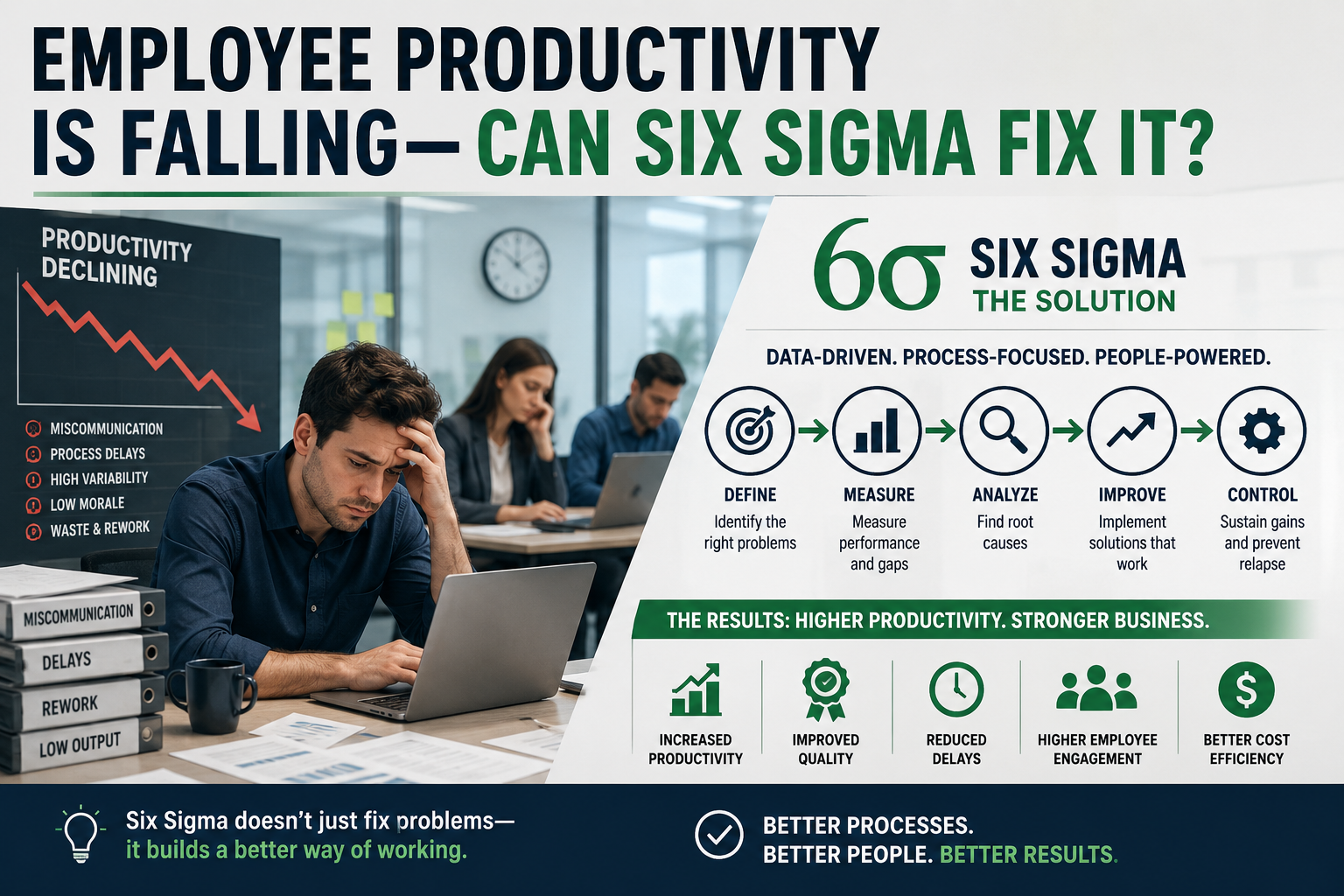
In today’s fast-paced business environment, organizations are grappling with a crucial issue: employee productivity. Many companies in India are witnessing a decline in workforce efficiency, which can lead to significant repercussions for overall business performance. As employers seek solutions, methodologies like Six Sigma emerge as powerful tools for process improvement. In this blog, we will explore how Six Sigma can help address the falling productivity levels in Indian workplaces.
Understanding Employee Productivity
Employee productivity refers to the output of work produced by an employee in a given time frame. It is a critical metric for businesses, influencing profitability, operational efficiency, and overall success. When productivity levels drop, it can signal underlying issues such as poor management, inadequate training, or inefficient processes.
The Current State of Employee Productivity in India
Many Indian companies are facing challenges related to employee productivity. Factors such as remote working, lack of motivation, and ineffective communication have contributed to a decline in workforce efficiency. According to recent studies, the productivity of employees in various sectors has decreased, creating a pressing need for effective solutions.
What Is Six Sigma?
Six Sigma is a data-driven methodology that aims to improve processes by identifying and removing the causes of defects and minimizing variability. Developed by Motorola in the 1980s, Six Sigma has become a global standard for process improvement. It utilizes a structured approach known as DMAIC (Define, Measure, Analyze, Improve, Control) to enhance operational efficiency.
How Six Sigma Works
Six Sigma employs various statistical tools and techniques to analyze and improve processes. By focusing on quality and efficiency, organizations can identify bottlenecks and areas of waste, leading to better resource allocation. This structured approach not only enhances productivity but also fosters a culture of continuous improvement.
Can Six Sigma Address Falling Productivity?
The answer is a resounding yes. Here are several ways Six Sigma can help improve employee productivity:
1. Identifying Root Causes
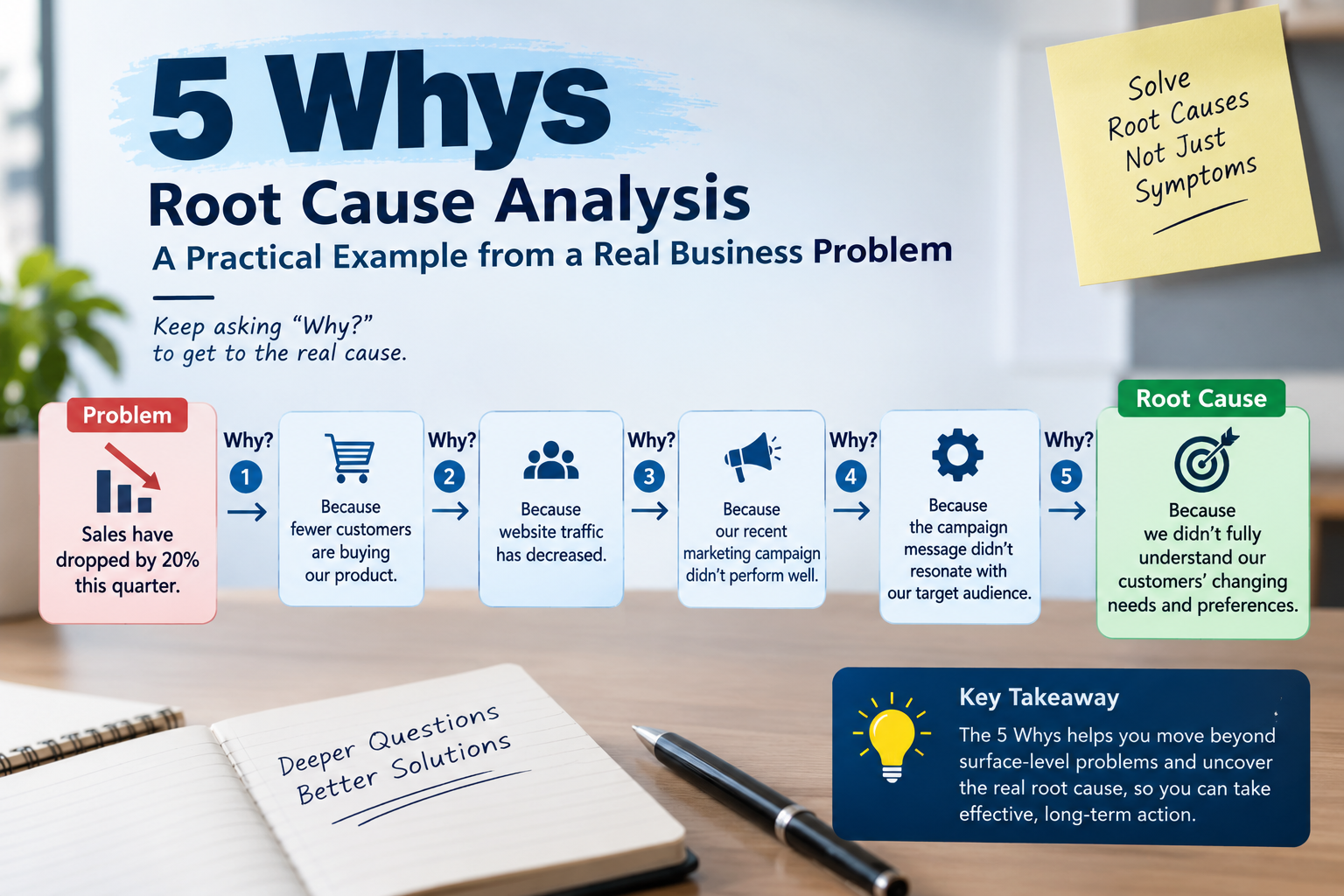
Six Sigma’s emphasis on data analysis allows organizations to pinpoint the root causes of productivity issues. By collecting and analyzing data, companies can determine whether inefficiencies stem from inadequate training, outdated processes, or communication barriers. Understanding these factors is the first step towards effective problem-solving.
2. Streamlining Processes
One of the key objectives of Six Sigma is process improvement. By applying Six Sigma techniques, organizations can streamline workflows, eliminate unnecessary steps, and reduce redundancies. This leads to a more efficient work environment where employees can focus on high-value tasks, thereby enhancing productivity.
3. Enhancing Employee Engagement
Involving employees in the Six Sigma process can significantly boost engagement and morale. When employees are part of the solution, they are more likely to take ownership of their work. Training staff in Six Sigma methodologies can also foster a sense of pride and accomplishment, motivating them to perform at their best.
4. Reducing Errors and Rework
Errors and rework are significant drains on productivity. Six Sigma helps organizations establish quality control measures, reducing mistakes and ensuring that work is done correctly the first time. This not only saves time but also enhances employee satisfaction, as they spend less time fixing errors.
5. Continuous Improvement Culture
Implementing Six Sigma fosters a culture of continuous improvement within organizations. Employees are encouraged to regularly assess their work processes and suggest improvements. This proactive approach leads to sustained increases in productivity, as teams continuously seek ways to enhance their efficiency.
Challenges in Implementing Six Sigma in India
While Six Sigma offers numerous benefits, implementing it in Indian organizations may come with challenges. Some common hurdles include:
1. Resistance to Change
Employees may resist new methodologies, fearing that change will disrupt their routine. Effective communication and training are essential to overcome this resistance and ensure buy-in from all levels of the organization.
2. Lack of Management Support
Successful Six Sigma implementation requires strong support from management. Leaders must be committed to the process, providing the necessary resources and guidance to facilitate change.
3. Insufficient Training
For Six Sigma to be effective, employees must be adequately trained. Organizations should invest in comprehensive training programs to equip their teams with the skills needed to implement Six Sigma principles successfully.
FAQs About Six Sigma and Employee Productivity
1. What industries can benefit from Six Sigma?
Six Sigma can be applied across various industries, including manufacturing, healthcare, IT, and services. Any organization looking to enhance process efficiency and quality can benefit from Six Sigma methodologies.
2. How long does it take to see results from Six Sigma?
The timeline for seeing results can vary based on the complexity of the processes being improved. However, many organizations begin to notice improvements within a few months of implementing Six Sigma projects.
3. Is Six Sigma only for large organizations?
No, Six Sigma can be implemented in organizations of all sizes. Small and medium-sized enterprises can also benefit from process improvement initiatives to enhance productivity.
4. Can Six Sigma be integrated with other methodologies?
Yes, Six Sigma can be integrated with other methodologies such as Lean, Agile, and Total Quality Management (TQM) to create a comprehensive approach to process improvement.
Conclusion: A Call to Action
As the landscape of employee productivity continues to evolve, organizations in India must take proactive steps to address challenges. Six Sigma presents a viable solution for enhancing workforce efficiency and fostering a culture of continuous improvement. By investing in Six Sigma training and initiatives, companies can revitalize their operations and empower their employees to achieve greater heights.
If you're looking to implement Six Sigma in your organization, now is the time to act. Start your journey towards improved employee productivity and operational excellence today!
For more insights and tailored solutions for your business, contact us today!



Leave a Comment