
 Quality Management



















 IT Service Management



 Project Management



 Agile Management



 Web Development



 Cloud Computing


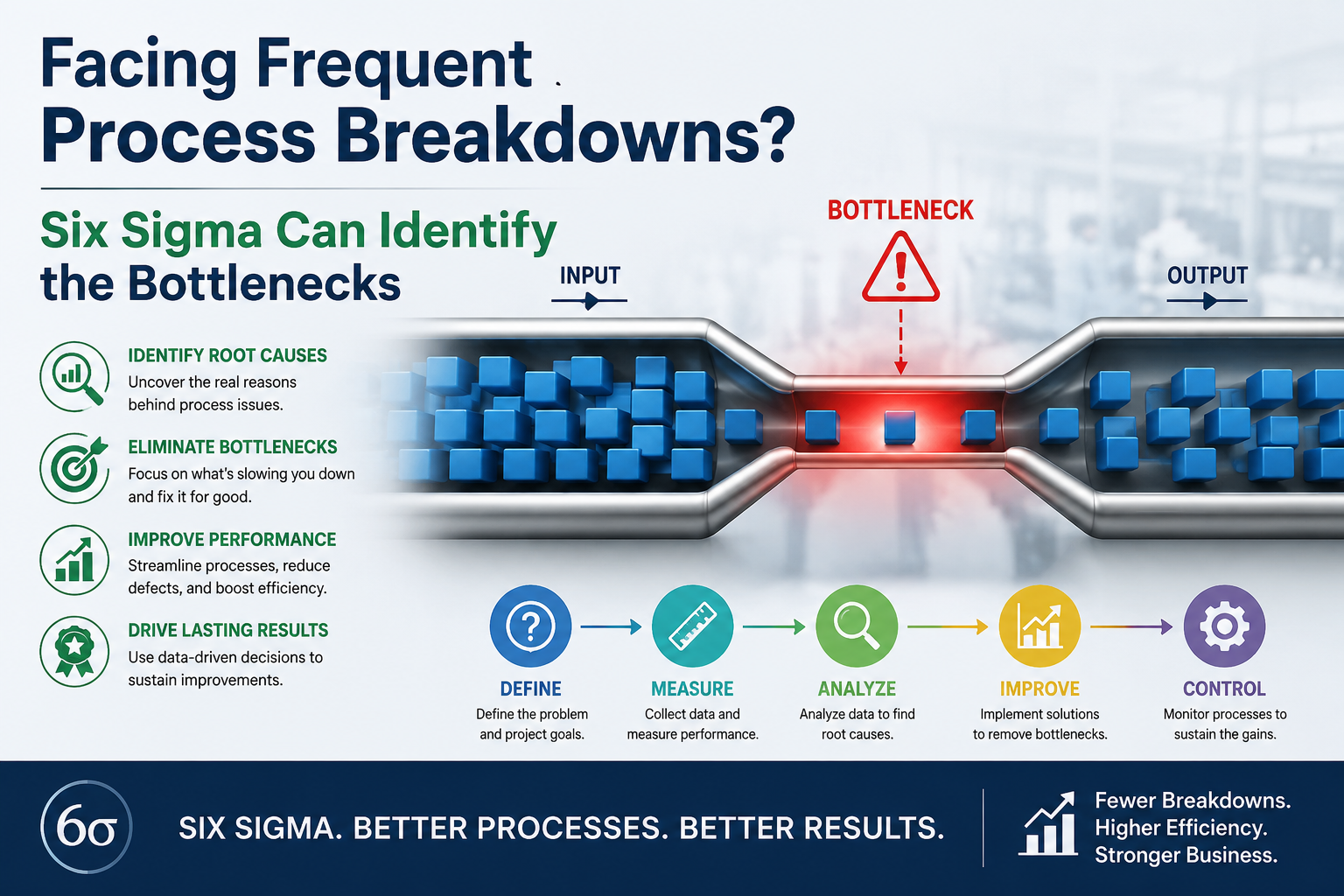
In today’s fast-paced business environment, operational excellence is more important than ever. Companies across India are constantly striving to enhance process efficiency, reduce waste, and improve overall productivity. However, many organizations face frequent process breakdowns that hinder their progress. If you find your business struggling with process bottlenecks, Six Sigma might just be the solution you need. In this comprehensive guide, we’ll explore how Six Sigma can help identify and eliminate these bottlenecks, paving the way for a more efficient and effective organizational workflow.
Understanding Process Bottlenecks
Before diving into the solutions, it’s essential to understand what process bottlenecks are. A process bottleneck occurs when the flow of operations is hindered, slowing down the entire process. This can result from various factors, including inadequate resources, inefficient workflows, or communication breakdowns. Identifying these bottlenecks is crucial for achieving operational excellence.
Common Causes of Process Bottlenecks
There are several reasons why process bottlenecks may occur in an organization. Here are some common culprits:
- Insufficient Resources: When there aren’t enough resources, like manpower or equipment, to meet the demands of the process, it can lead to delays.
- Poor Communication: Miscommunication between teams can result in misunderstandings and errors that slow down processes.
- Inefficient Workflows: Outdated or convoluted processes can create unnecessary steps, leading to bottlenecks.
- Lack of Training: Employees who are not adequately trained may struggle to perform their tasks efficiently, causing delays.
What is Six Sigma?
Six Sigma is a data-driven methodology aimed at improving process quality by identifying and eliminating defects in a process. This approach focuses on achieving measurable and quantifiable financial returns. The term "Six Sigma" refers to the statistical concept that aims for a process to be within six standard deviations from the mean, resulting in minimal defects.
The Key Principles of Six Sigma
Six Sigma operates on several core principles that guide organizations toward operational excellence:
- Define: Clearly outline the problem, project goals, and customer requirements.
- Measure: Collect data to understand current performance levels and identify areas of improvement.
- Analyze: Identify root causes of defects and bottlenecks using statistical analysis.
- Improve: Implement solutions to eliminate bottlenecks and enhance process efficiency.
- Control: Establish standards and monitoring systems to maintain improvements over time.
How Six Sigma Identifies Process Bottlenecks
Now that we have a basic understanding of Six Sigma, let’s explore how it can help identify process bottlenecks.
1. Data-Driven Analysis
Six Sigma relies heavily on data analysis. By collecting and analyzing data related to the process, organizations can pinpoint specific stages where delays occur. This quantitative approach ensures that decisions are based on factual evidence rather than assumptions.
2. Process Mapping
Creating a detailed map of the process allows teams to visualize each step. This helps in identifying where inefficiencies and bottlenecks exist. Process mapping is a crucial step in the Define phase of Six Sigma, providing clarity and direction for improvement efforts.
3. Root Cause Analysis
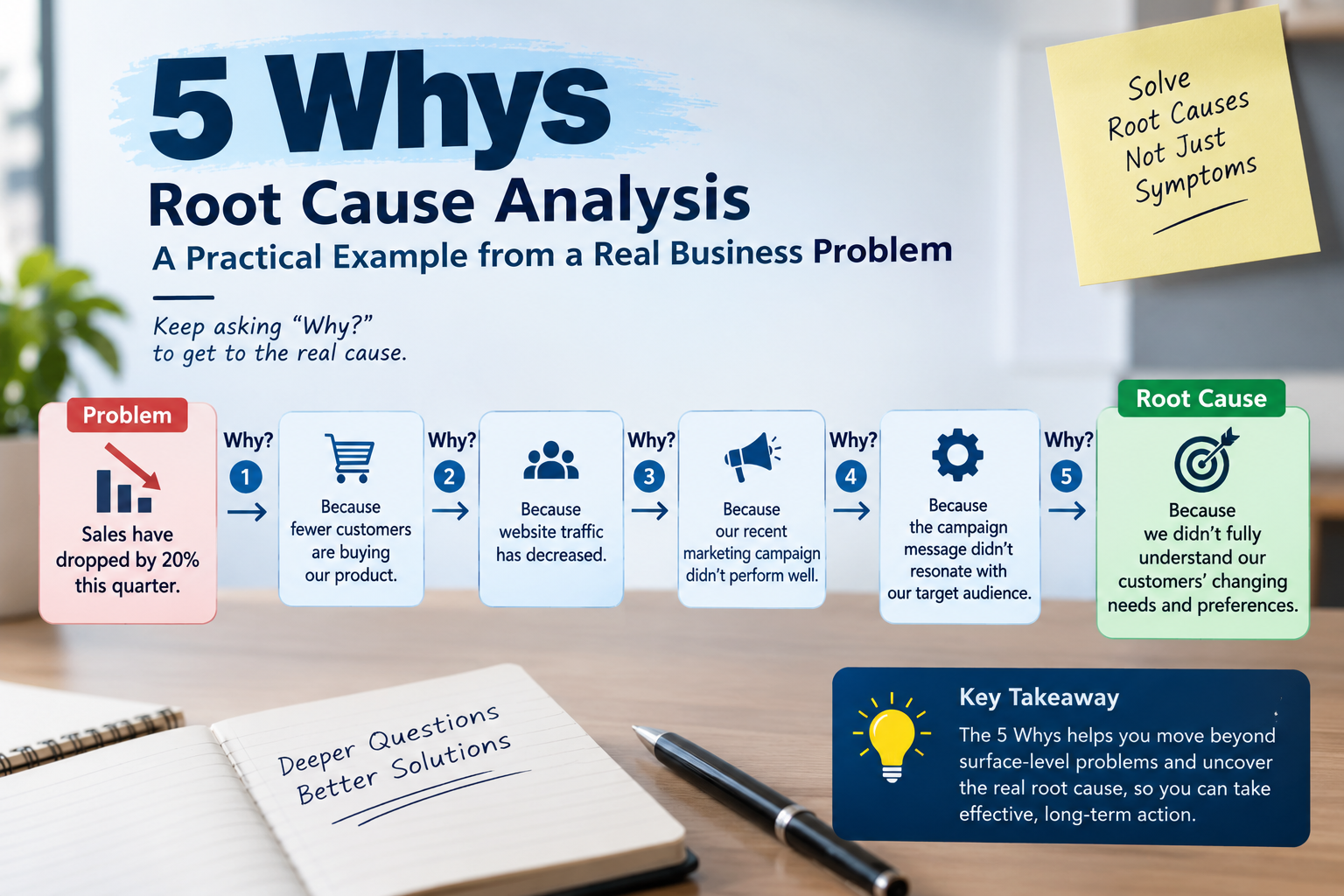
Once potential bottlenecks are identified, Six Sigma employs various tools, such as the Fishbone Diagram and the 5 Whys technique, to perform root cause analysis. Understanding the underlying issues causing the bottlenecks is vital for developing effective solutions.
4. Continuous Improvement
Six Sigma promotes a culture of continuous improvement. By regularly reassessing processes and seeking feedback, organizations can adapt and evolve, ensuring that bottlenecks are addressed proactively.
Implementing Six Sigma in Your Organization
Implementing Six Sigma requires a commitment from all levels of the organization. Here are steps to successfully integrate Six Sigma into your operations:
1. Train Your Team
Invest in training your employees on Six Sigma principles and tools. This will empower them to identify and address process bottlenecks effectively.
2. Define Goals
Set clear goals for your Six Sigma initiative. Whether it’s reducing lead times or improving customer satisfaction, having specific objectives will guide your efforts.
3. Engage Leadership
Support from leadership is crucial for successful implementation. Leaders should actively participate in Six Sigma projects and encourage a culture of quality and efficiency.
4. Start Small
Consider starting with a pilot project to test the effectiveness of Six Sigma in identifying bottlenecks. This will allow you to refine your approach before a full-scale rollout.
5. Monitor Progress
Regularly track the progress of your Six Sigma initiatives. Use metrics to measure improvements and make adjustments as necessary.
Benefits of Using Six Sigma to Address Process Bottlenecks
Adopting Six Sigma to tackle process bottlenecks can yield significant benefits for your organization:
- Improved Efficiency: By identifying and eliminating bottlenecks, processes become more streamlined, leading to increased efficiency.
- Cost Savings: Reduced waste and improved processes translate into significant cost savings for the organization.
- Enhanced Customer Satisfaction: Faster turnaround times and improved quality lead to higher customer satisfaction and loyalty.
- Better Employee Morale: Employees are more engaged and satisfied when processes are efficient and well-defined.
FAQs
What industries can benefit from Six Sigma?
Six Sigma can be applied across various industries, including manufacturing, healthcare, finance, and service sectors. Any organization looking to improve process efficiency can benefit from its principles.
How long does it take to see results from Six Sigma?
The timeline for seeing results from Six Sigma varies depending on the complexity of the processes and the commitment of the organization. However, many organizations start noticing improvements within a few months of implementation.
Is Six Sigma only for large organizations?
No, Six Sigma is beneficial for organizations of all sizes. Small and medium-sized enterprises (SMEs) can also leverage its principles to enhance process efficiency and achieve operational excellence.
Do I need to hire a consultant to implement Six Sigma?
While hiring a consultant can provide expertise, many organizations successfully implement Six Sigma through internal training and resources. The key is to ensure your team is adequately trained and committed to the process.
Conclusion
Frequent process breakdowns can be a significant barrier to achieving operational excellence. By leveraging Six Sigma, organizations can identify and eliminate process bottlenecks, leading to improved efficiency, reduced costs, and enhanced customer satisfaction. If your organization is ready to embark on a journey toward operational excellence, consider implementing Six Sigma today.
Call to Action: Ready to transform your organization’s processes? Contact us today to learn how our Six Sigma training and consulting services can help you identify and eliminate bottlenecks, paving the way for operational excellence!



Leave a Comment