
 Quality Management



















 IT Service Management



 Project Management



 Agile Management




 Web Development



 Cloud Computing


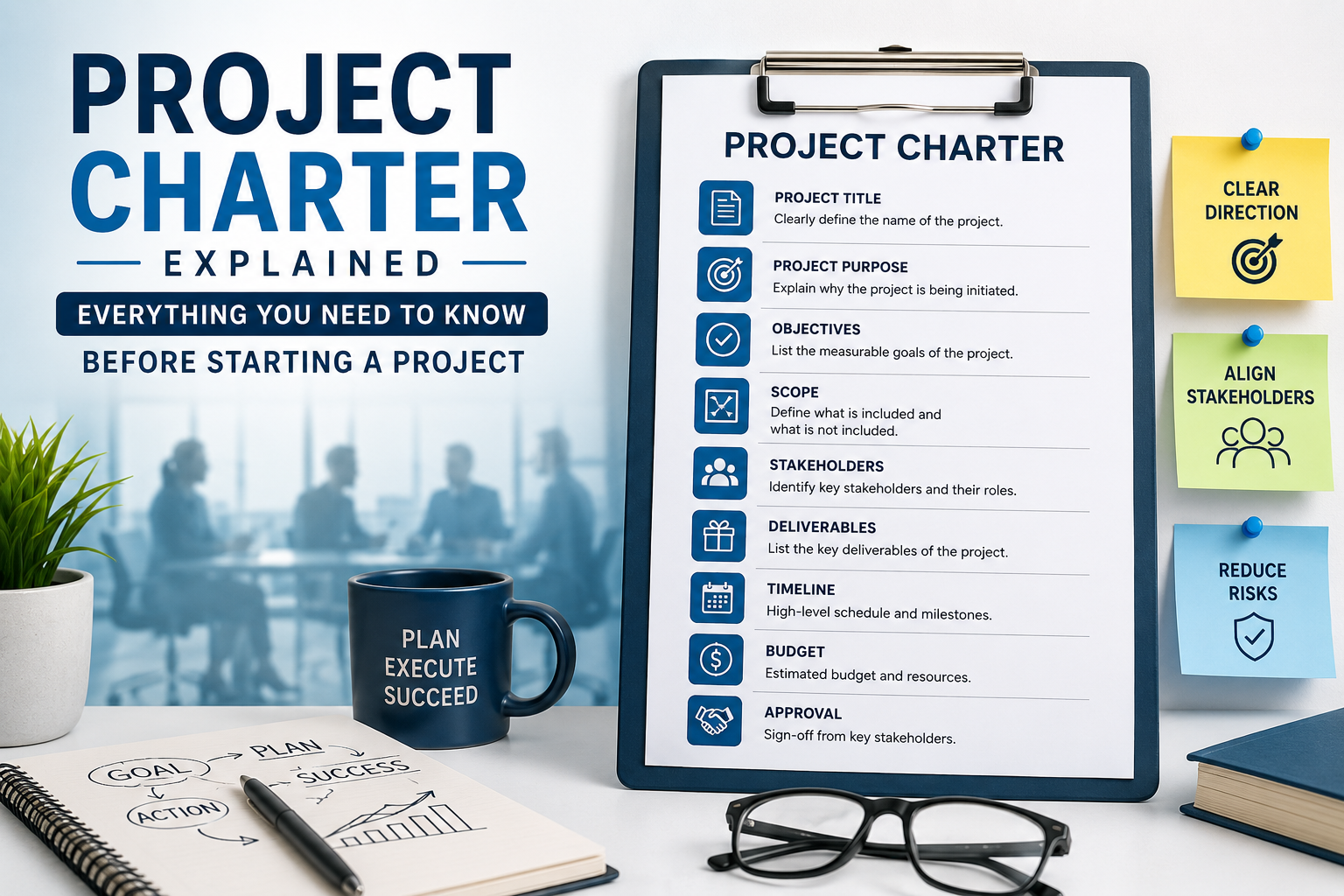
In the bustling world of project management, the significance of a well-crafted project charter cannot be overstated. For professionals in India and around the globe, understanding this essential document is crucial for ensuring project success. This blog will walk you through the concept of a project charter, its components, and its role in the broader context of project initiation and project planning.
What is a Project Charter?
A project charter is a formal document that outlines the objectives, scope, and participants of a project. It serves as the foundational agreement between the project sponsor and the project team, ensuring that everyone is aligned on key aspects from the outset. The charter not only provides a roadmap for project execution but also acts as a reference point throughout the project management process.
The Importance of a Project Charter
Before diving into a project, it's imperative to have a clear understanding of why a project charter matters. Here are a few reasons:
- Clarity of Purpose: It defines the project's objectives, helping all stakeholders understand what is expected.
- Scope Management: A project charter outlines the scope, preventing scope creep and ensuring that the project stays on track.
- Stakeholder Alignment: It brings together all stakeholders and ensures their buy-in, which is crucial for project success.
- Resource Allocation: The charter helps in identifying the resources needed, facilitating better planning and management.
Key Components of a Project Charter
Creating a comprehensive project charter involves several key components, each playing a vital role in the overall project documentation. Here are the essential elements:
1. Project Title and Description
The project title should be concise yet descriptive. Follow this with a brief overview of the project's goals and objectives.
2. Project Purpose and Justification
This section explains why the project is necessary. It should outline the problem the project aims to solve or the opportunity it seeks to capitalize on.
3. Objectives and Success Criteria
Clearly defined objectives help in measuring the project's success. Incorporate specific, measurable, achievable, relevant, and time-bound (SMART) criteria here.
4. Scope Statement
Detail what is included and excluded from the project. A well-defined scope will aid in preventing scope creep, ensuring that the project remains focused.
5. Key Stakeholders
Identify all individuals and groups involved in the project. Document their roles and responsibilities to ensure clarity and accountability.
6. Project Milestones and Timeline
Outline major milestones and deliverables, along with a realistic timeline for completion. This helps in tracking progress and maintaining momentum.
7. Budget Overview
Provide a high-level view of the budget. Include estimated costs for resources, tools, and other necessary expenses.
8. Risks and Assumptions
Identify potential risks that could impact the project. Document assumptions that the project team is making, as these can influence decisions throughout the project lifecycle.
9. Approval and Signatures
Finally, the project charter should include a section for signatures from key stakeholders, signifying their approval and commitment to the project.
How to Create an Effective Project Charter
Creating a project charter may seem daunting, but following a structured approach can simplify the process. Here’s how to effectively craft your project charter:
1. Gather Input from Stakeholders
Engage with stakeholders early in the process. Their insights and expectations will inform the charter and enhance its accuracy.
2. Use Templates
Consider using project charter templates available online. These can provide a framework and save time while ensuring you cover all necessary components.
3. Keep it Concise
A project charter should be straightforward and to the point. Avoid unnecessary jargon and elaborate explanations that could lead to confusion.
4. Review and Revise
Before finalizing, review the document with stakeholders for feedback. Make revisions as necessary to ensure clarity and alignment.
Common Mistakes to Avoid
While crafting a project charter, certain pitfalls can derail your efforts. Here are some common mistakes to watch out for:
- Vague Objectives: Ensure that objectives are specific and measurable to guide project success.
- Ignoring Stakeholder Input: Engaging stakeholders is crucial; their insights can significantly enhance the charter.
- Inadequate Risk Assessment: Failing to identify potential risks can lead to unforeseen challenges later on.
- Lack of Clarity on Roles: Ensure that every stakeholder knows their responsibilities to prevent confusion down the line.
FAQs About Project Charters
1. What is the difference between a project charter and a project plan?
A project charter outlines the project's objectives, scope, and stakeholders, while a project plan provides a detailed roadmap for executing the project, including schedules, resources, and processes.
2. How long should a project charter be?
The length of a project charter can vary, but it should generally be concise—ranging from 2 to 10 pages, depending on the project's complexity.
3. Can a project charter be modified after approval?
Yes, a project charter can be updated if significant changes in scope, objectives, or stakeholders occur. However, it’s important to document any changes and get approvals again from key stakeholders.
4. Who is responsible for creating the project charter?
Typically, the project manager is responsible for drafting the project charter, but input from stakeholders is essential to ensure its accuracy and comprehensiveness.
5. When should a project charter be created?
A project charter should be created during the project initiation phase, before detailed planning and execution begin.
Conclusion
In conclusion, a well-defined project charter is invaluable for successful project management. It not only sets a clear direction for the project but also fosters alignment among stakeholders. As you embark on your next project, take the time to craft a comprehensive charter to ensure smooth sailing throughout the project planning and execution phases.
Ready to start your project on the right foot? Begin by drafting your project charter today, and set the stage for success. If you need assistance in project management or documentation, reach out to us for expert guidance!


Leave a Comment