
 Quality Management



















 IT Service Management



 Project Management



 Agile Management




 Web Development



 Cloud Computing


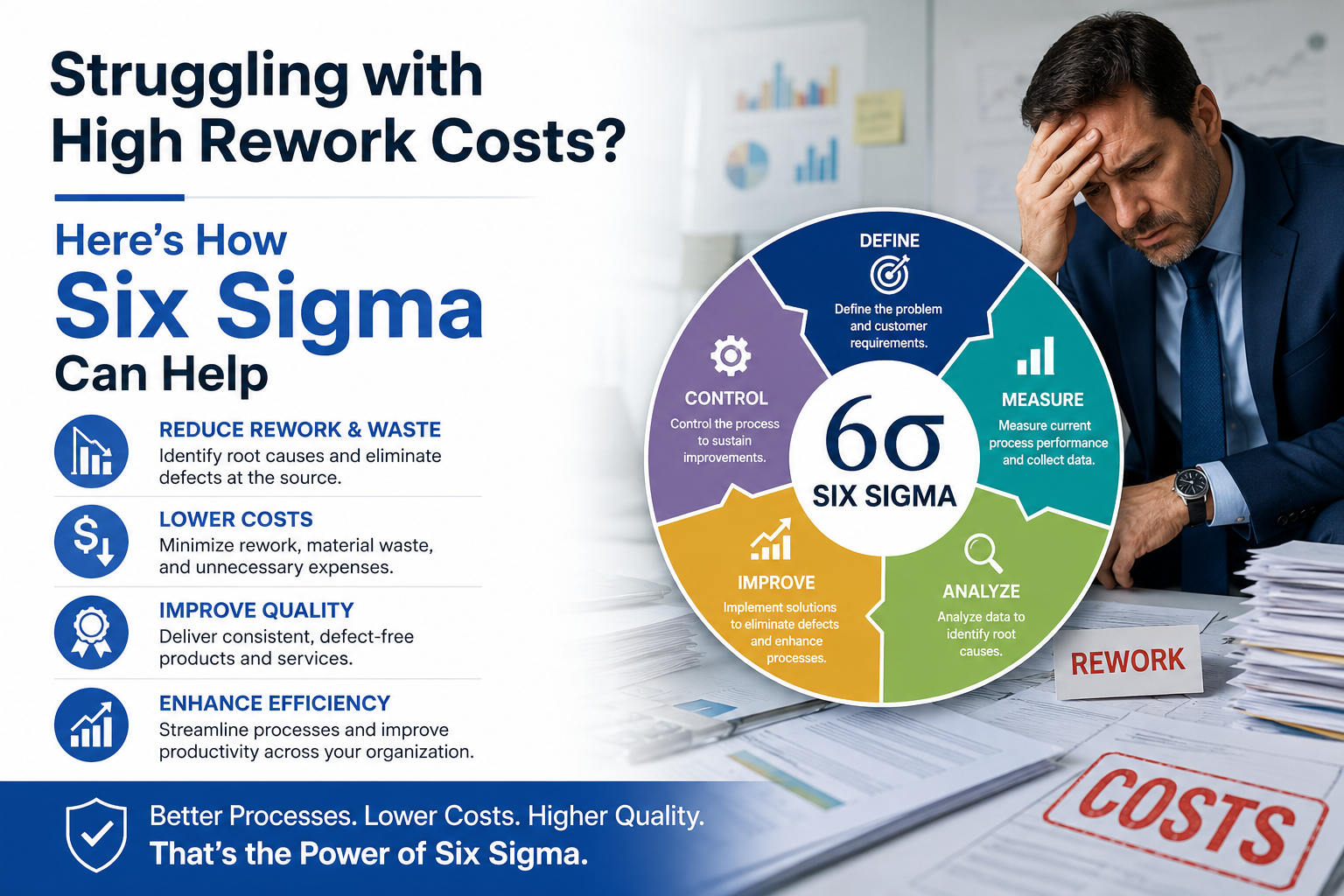
In today's competitive business landscape, organizations are constantly seeking ways to improve their operations and reduce costs. One significant area where many companies face challenges is in rework costs. High rework costs can severely impact profitability and customer satisfaction. Fortunately, Six Sigma offers robust methodologies for rework reduction, quality improvement, and cost reduction. In this blog, we will explore how Six Sigma can help your organization tackle high rework costs effectively.
Understanding the Impact of Rework Costs
Rework costs arise when a product or service fails to meet quality standards, necessitating additional work to correct the issues. This not only leads to increased expenses but can also result in delays, reduced customer trust, and a tarnished brand image. For Indian businesses, where competition is fierce, the implications of rework costs can be particularly damaging.
The Hidden Costs of Rework
Many organizations underestimate the true cost of rework. The direct expenses related to labor, materials, and overhead are often apparent, but there are also indirect costs that can be just as detrimental:
- Lost Productivity: Employees divert their time and efforts to fixing mistakes instead of focusing on new projects.
- Customer Dissatisfaction: Rework can lead to delays in delivery, impacting customer satisfaction and loyalty.
- Brand Reputation: Frequent mistakes can tarnish a company's reputation and lead to a loss of competitive advantage.
Recognizing and addressing these hidden costs is crucial for any organization aiming for sustainability and growth.
What is Six Sigma?
Six Sigma is a data-driven methodology developed by Motorola in the 1980s to improve processes by identifying and eliminating defects. The goal is to achieve near perfection in operational performance, significantly reducing variation and waste. The name "Six Sigma" refers to the statistical concept of achieving fewer than 3.4 defects per million opportunities, creating a highly efficient process.
Key Principles of Six Sigma
- Define: Clearly define the problem and identify customer requirements.
- Measure: Collect data to understand current performance and identify areas for improvement.
- Analyze: Analyze the data to determine root causes of defects and variations.
- Improve: Develop and implement strategies to eliminate defects.
- Control: Monitor the improved process to ensure sustained results.
Applying Six Sigma for Rework Reduction
Implementing Six Sigma in your organization can lead to significant rework reduction. Here's how:
1. Identifying Root Causes
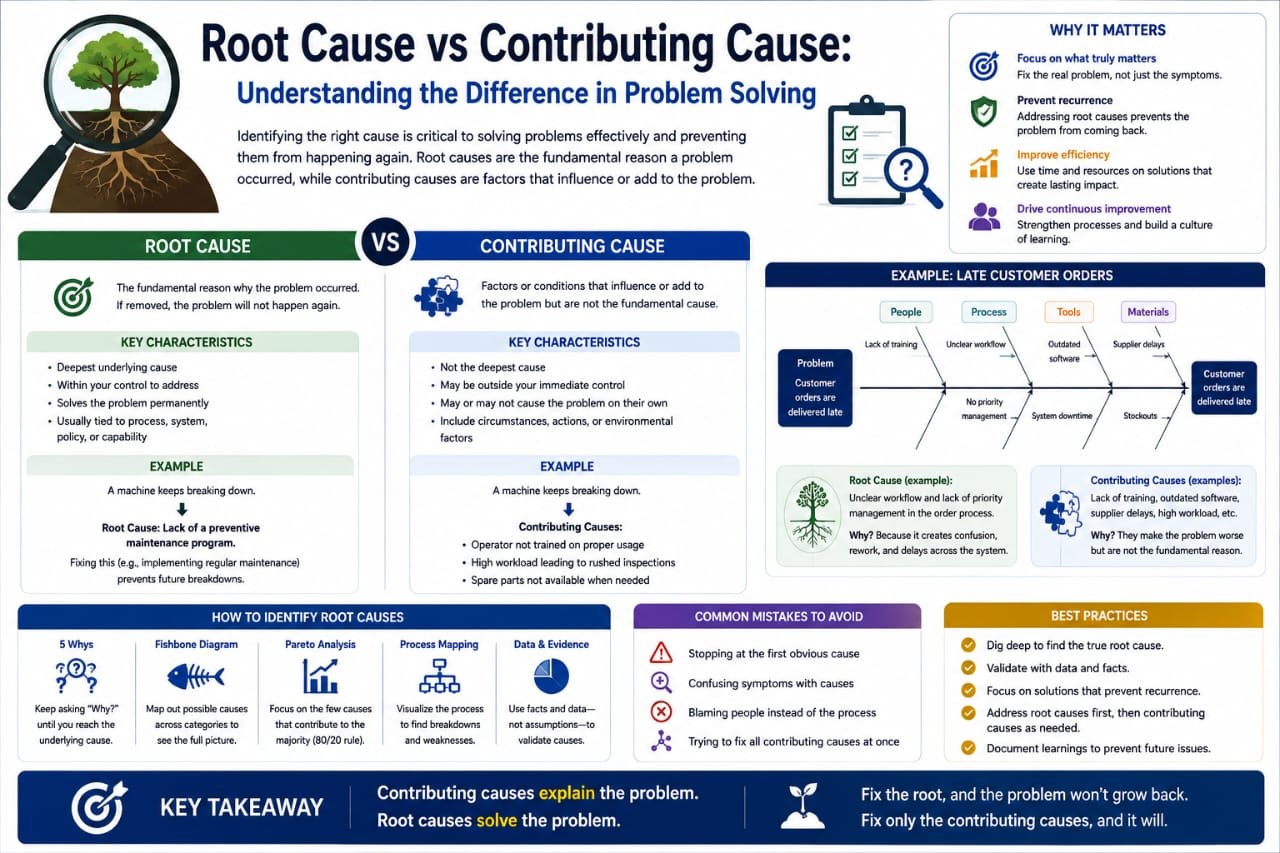
The first step in any Six Sigma initiative is to define the problem. By gathering data on rework instances, you can pinpoint the root causes—whether they stem from process inefficiencies, employee training gaps, or supplier issues. This structured approach allows you to address the fundamental issues rather than just treating the symptoms.
2. Process Mapping
Creating a process map helps visualize the workflow and identify bottlenecks. By analyzing each step, you can pinpoint where defects are occurring. This clarity is essential for implementing effective changes.
3. Employee Training and Engagement
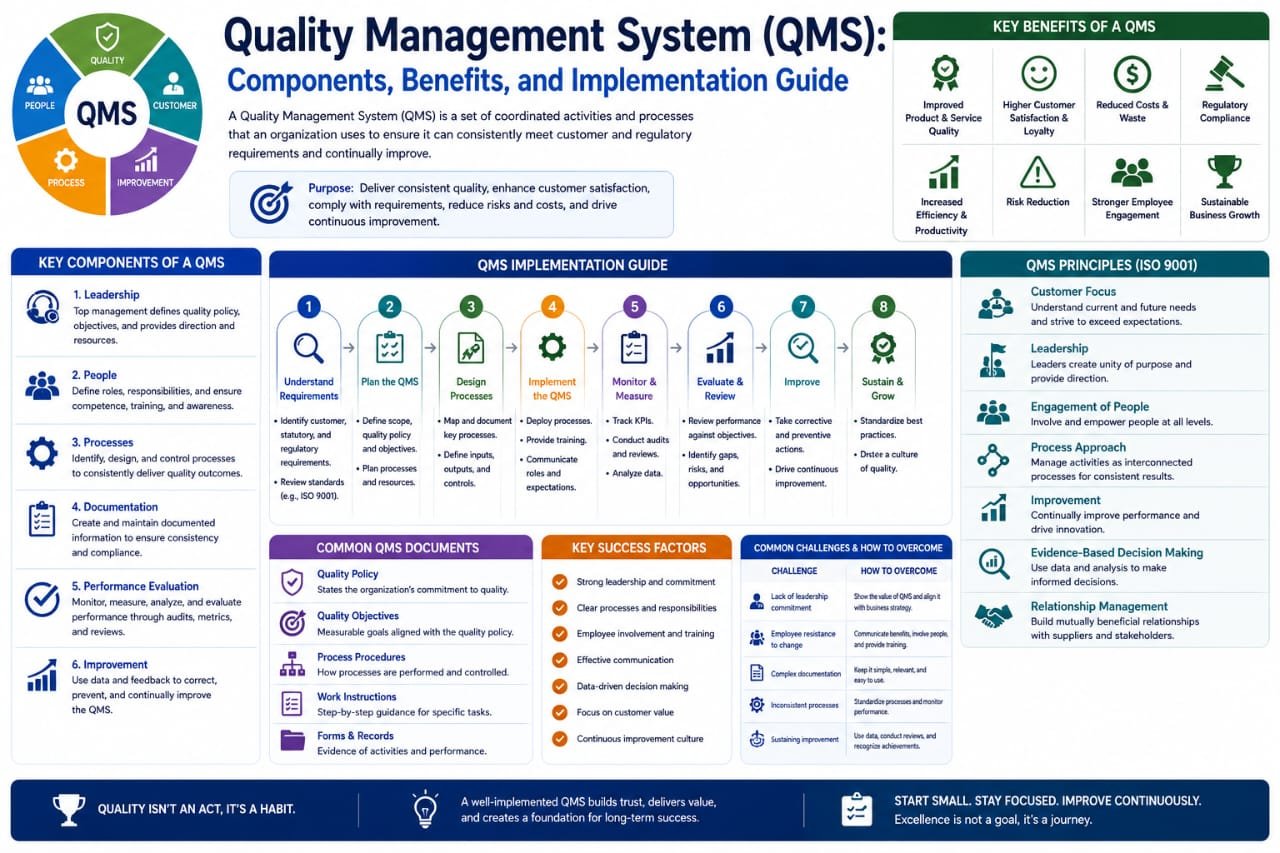
Six Sigma emphasizes the importance of training employees in quality management practices. By equipping your team with the necessary skills and fostering a culture of quality, you empower them to take ownership of their work, significantly reducing the likelihood of errors and rework.
4. Continuous Monitoring and Improvement
Once improvements are made, the work doesn't stop there. Continuous monitoring is vital to ensure that the changes are effective and sustainable. Implementing control measures helps maintain the quality of output and keeps rework to a minimum.
Case Studies: Success Stories of Six Sigma in India
Several Indian companies have successfully implemented Six Sigma to reduce rework costs:
1. Tata Motors
Tata Motors adopted Six Sigma to enhance quality control in its manufacturing processes. By focusing on defect reduction, the company achieved significant cost savings and improved customer satisfaction.
2. Wipro
Wipro utilized Six Sigma principles in its IT services to streamline operations. The result was a reduction in errors and rework, leading to enhanced service delivery and client satisfaction.
Challenges in Implementing Six Sigma
Despite its benefits, organizations may face challenges when implementing Six Sigma:
- Resistance to Change: Employees may resist new processes and methodologies.
- Insufficient Training: Lack of proper training can hinder the effectiveness of Six Sigma initiatives.
- Short-Term Focus: Companies may prioritize immediate results over long-term quality improvement.
To overcome these challenges, fostering a culture of quality and involving employees in the process is crucial. Communication and training play a key role in gaining buy-in and ensuring the success of Six Sigma initiatives.
Conclusion
Struggling with high rework costs can be a daunting challenge for any organization. However, adopting Six Sigma methodologies can lead to substantial rework reduction, quality improvement, and cost reduction. By identifying root causes, mapping processes, training employees, and continuously monitoring performance, businesses can transform their operations and achieve lasting success.
FAQs
What industries can benefit from Six Sigma?
Six Sigma is applicable across various industries, including manufacturing, healthcare, IT, and service sectors. Any organization looking to improve quality and reduce costs can benefit from its principles.
How long does it take to see results from Six Sigma implementation?
The timeline for seeing results can vary based on the complexity of the processes and the commitment of the organization. However, many companies report improvements within a few months of implementing Six Sigma initiatives.
Do I need specialized training to implement Six Sigma?
While specialized training can enhance the effectiveness of Six Sigma initiatives, companies can start with basic training programs to familiarize employees with the concepts. Over time, investing in more comprehensive training can yield better results.
Call to Action
If your organization is struggling with high rework costs, it's time to consider the transformative power of Six Sigma. Contact us today to learn how we can help you implement Six Sigma methodologies tailored to your business needs. Together, we can drive quality improvement and achieve significant cost reduction!


Leave a Comment