
 Quality Management


















 IT Service Management



 Project Management



 Agile Management



 Web Development



 Cloud Computing


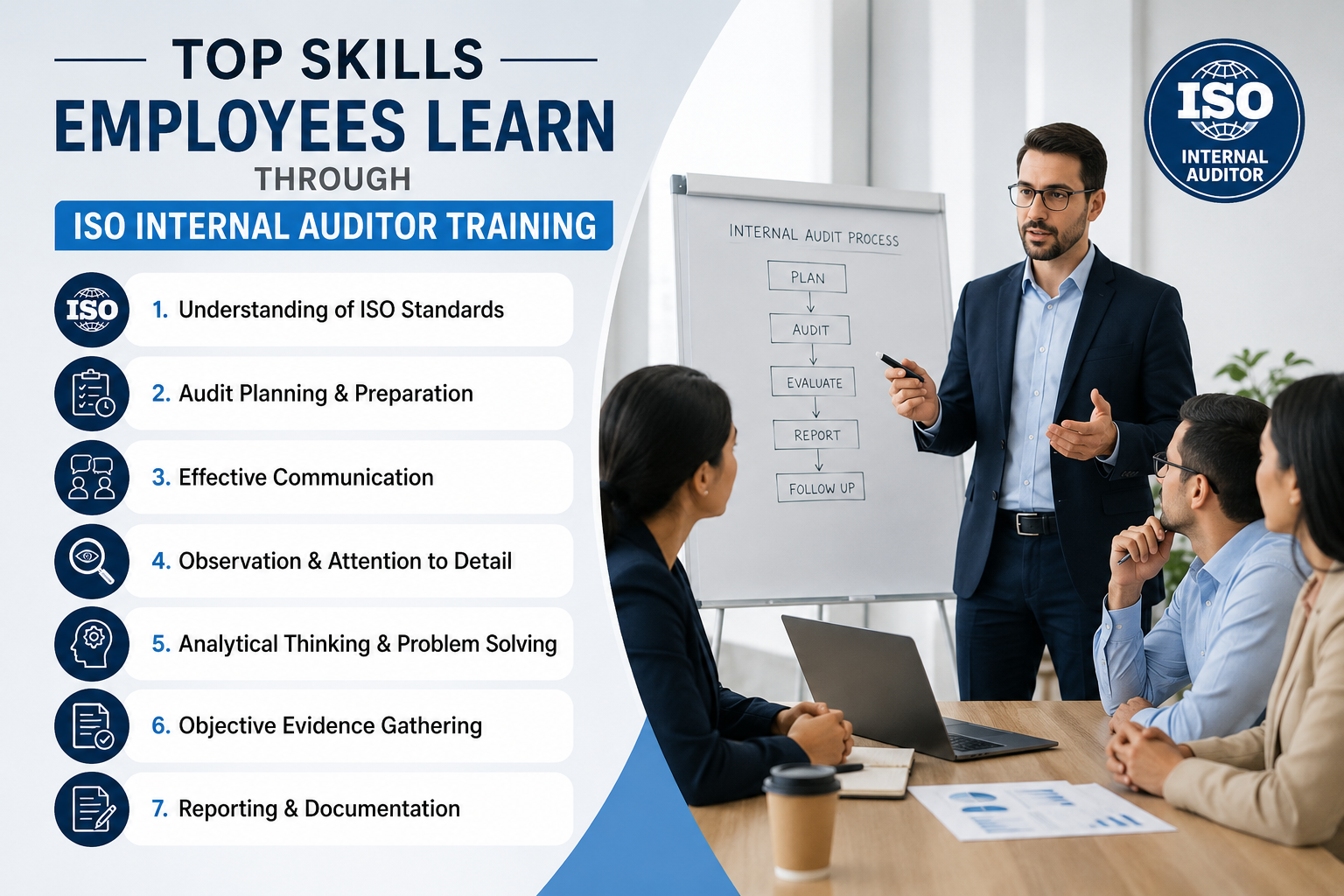
In today’s competitive business landscape, quality management is more important than ever. Organizations are constantly striving to improve their processes, products, and services, which is where ISO internal auditor training comes into play. This training equips employees with essential auditing skills that enhance their ability to contribute to quality management. In this blog, we will explore the top skills employees learn through ISO internal auditor training, emphasizing the significance of auditing skills, quality management training, and audit techniques.
Understanding ISO Internal Auditor Training
ISO internal auditor training is designed to prepare employees to conduct internal audits in accordance with international standards. These standards, set by the International Organization for Standardization (ISO), aim to ensure that organizations consistently meet customer and regulatory requirements. Through this training, employees learn vital auditing skills that not only benefit their personal development but also contribute to the overall efficiency and effectiveness of the organization.
The Importance of Auditing Skills
Auditing skills are crucial for anyone looking to excel in quality management. Employees trained as internal auditors gain a deep understanding of the auditing process, which includes planning, executing, and reporting audits. Here are some key auditing skills acquired through ISO internal auditor training:
- Analytical Thinking: Internal auditors must analyze complex data and processes to identify areas for improvement. This skill is essential for evaluating compliance with ISO standards.
- Attention to Detail: A successful auditor pays close attention to details, ensuring that no aspect of the audit is overlooked. This skill is vital for maintaining accuracy in audit reports.
- Communication Skills: Effective communication is key in auditing. Internal auditors must convey their findings clearly and constructively to stakeholders.
- Problem-Solving Skills: Auditors encounter challenges during the audit process. Developing problem-solving skills allows them to address these challenges efficiently.
Quality Management Training: A Foundation for Success
Quality management training is a core component of ISO internal auditor training. This training provides employees with a comprehensive understanding of quality management principles and practices. Here are the top skills learned during quality management training:
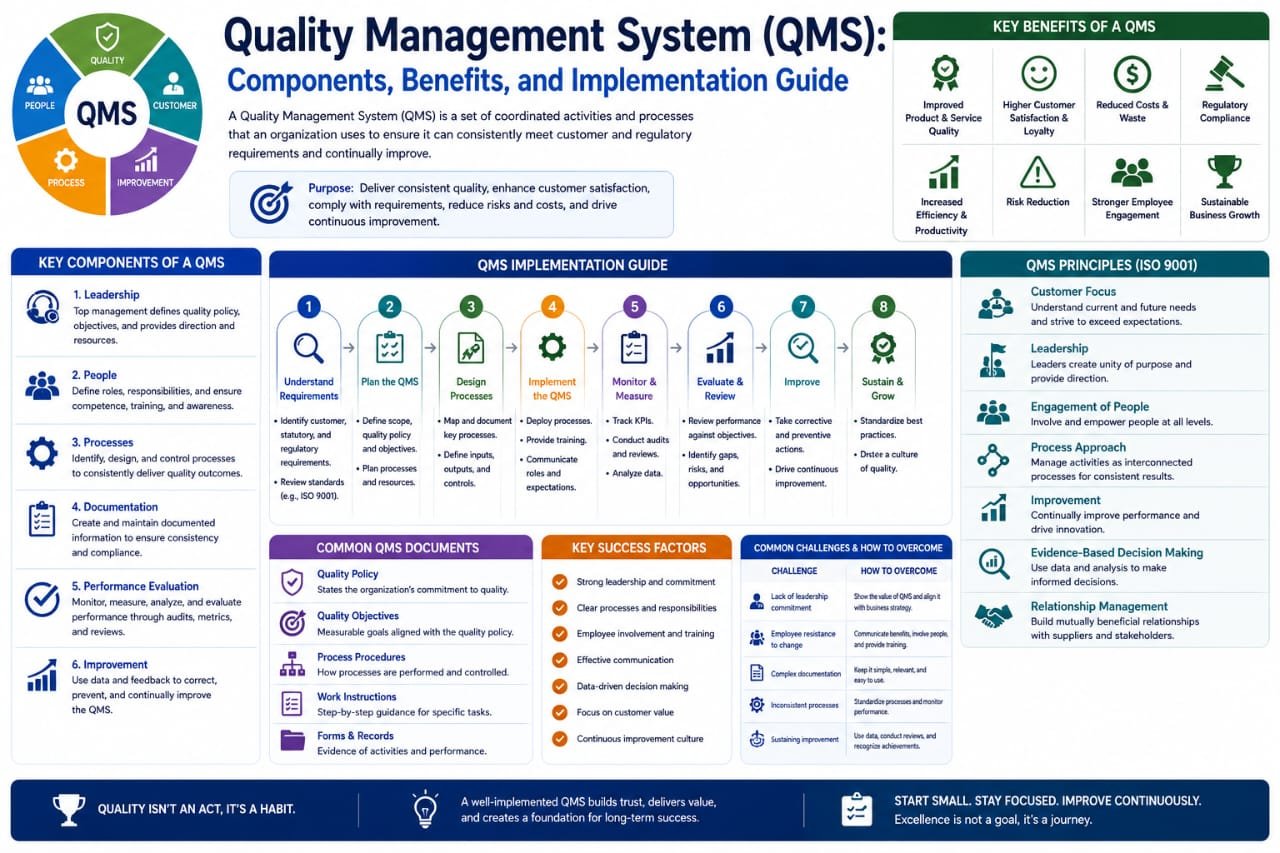
1. Understanding Quality Management Systems (QMS)
Employees learn the fundamentals of Quality Management Systems, which are essential for ensuring that processes meet established quality standards. This knowledge is crucial for conducting effective internal audits.
2. Risk Management
ISO internal auditor training emphasizes the importance of risk management. Employees learn how to identify, assess, and mitigate risks, ensuring that the organization remains compliant with ISO standards.
3. Continuous Improvement
One of the key principles of quality management is continuous improvement. Trained auditors understand the significance of ongoing evaluation and enhancement of processes, ultimately leading to greater efficiency and effectiveness.
4. Customer Focus
Quality management training instills a strong customer focus in employees. They learn that meeting customer needs is paramount for organizational success, which influences their approach during audits.
Audit Techniques: Mastering the Process
ISO internal auditor training does not just focus on theoretical knowledge; it also equips employees with essential audit techniques. Here are some of the crucial audit techniques learned during training:
1. Audit Planning
Effective audit planning is a critical skill. Employees learn how to prepare an audit plan that outlines the scope, objectives, and criteria for the audit, ensuring a structured approach.
2. Conducting Audits
Employees are trained in various audit methods, including interviews, observations, and document reviews. This hands-on experience is vital for developing practical auditing skills.
3. Reporting Findings
After conducting an audit, employees learn how to compile and present their findings in a clear and concise manner. This skill is essential for ensuring that stakeholders understand the audit results and can take appropriate action.
4. Follow-Up and Monitoring
ISO internal auditor training emphasizes the importance of follow-up actions after an audit. Employees learn how to track corrective actions and monitor their effectiveness, ensuring ongoing compliance with ISO standards.
Benefits of ISO Internal Auditor Training for Organizations
Investing in ISO internal auditor training offers numerous benefits for organizations in India. Here are some key advantages:
- Enhanced Compliance: Organizations that train internal auditors are more likely to comply with ISO standards, reducing the risk of non-compliance and potential penalties.
- Improved Efficiency: Well-trained auditors can identify inefficiencies within processes, leading to improvements that save time and resources.
- Increased Employee Engagement: Providing employees with quality management training fosters a culture of continuous improvement and engagement, which can boost morale and productivity.
- Better Customer Satisfaction: By focusing on quality management principles, organizations can enhance customer satisfaction and loyalty, ultimately driving business growth.
FAQs About ISO Internal Auditor Training
Q1: What is the duration of ISO internal auditor training?
A1: The duration of ISO internal auditor training varies depending on the training provider, but it typically ranges from two to five days.
Q2: Who should attend ISO internal auditor training?
A2: Employees involved in quality management, compliance, or auditing functions should attend ISO internal auditor training. This includes managers, team leaders, and quality assurance personnel.
Q3: Is ISO internal auditor training recognized internationally?
A3: Yes, ISO internal auditor training is recognized globally. Certification from accredited training providers enhances the credibility of the auditor.
Q4: How can organizations benefit from having trained internal auditors?
A4: Trained internal auditors can help organizations ensure compliance with ISO standards, improve processes, and enhance overall quality management, leading to better performance and customer satisfaction.
Conclusion
ISO internal auditor training is more than just a certification; it is an investment in the future of both employees and organizations. By acquiring essential auditing skills, understanding quality management principles, and mastering audit techniques, employees become valuable assets to their organizations. As businesses in India continue to prioritize quality management, the demand for skilled internal auditors will only grow. If you’re considering ISO internal auditor training for your team, now is the time to take action!
Call to Action: Ready to elevate your organization’s quality management practices? Enroll your employees in ISO internal auditor training today and watch them develop the skills that drive success. Contact us now for more information!


Leave a Comment