
 Quality Management



















 IT Service Management



 Project Management



 Agile Management




 Web Development



 Cloud Computing


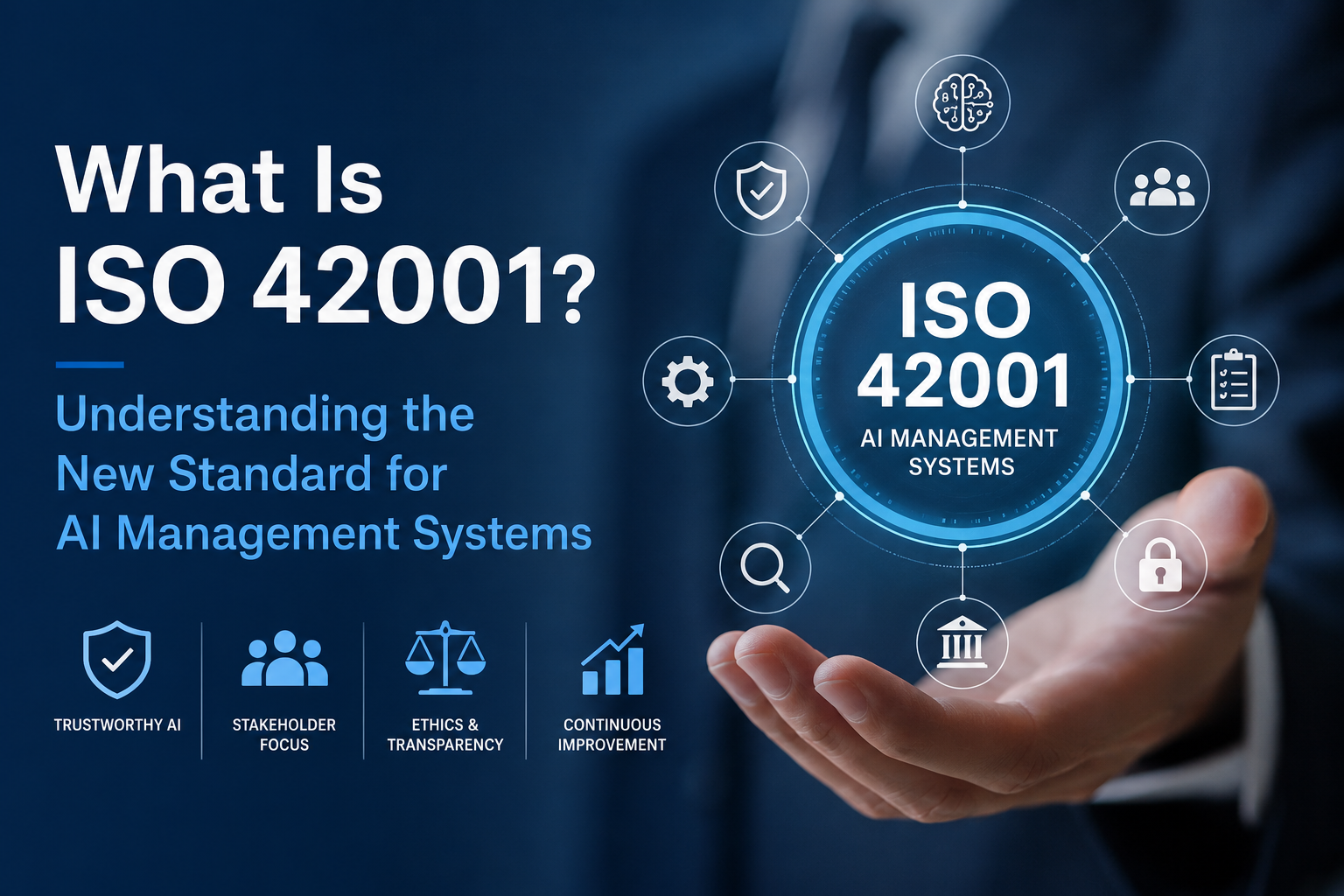
In the rapidly evolving world of technology, the integration of artificial intelligence (AI) into various sectors has transformed business operations, enhancing efficiency and decision-making processes. However, with these advancements come significant challenges related to governance, compliance, and ethical considerations. To address these challenges, the ISO 42001 AI management system has been introduced as an essential framework for organizations leveraging AI technologies. In this blog, we will delve into the details of ISO 42001, its importance, and what it means for AI governance and compliance in India.
Understanding ISO 42001
ISO 42001 is an international standard aimed at establishing a framework for the governance and management of AI systems. It is designed to help organizations implement effective AI management systems that ensure transparency, accountability, and compliance with ethical standards. The standard focuses on various aspects of AI governance, including data management, risk assessment, and the ethical implications of AI applications.
The Need for ISO 42001
As AI technologies continue to advance, businesses in India and around the world face increasing scrutiny regarding how they deploy these systems. Issues such as data privacy, algorithmic bias, and decision-making transparency have become critical concerns. ISO 42001 addresses these challenges by providing a structured approach to AI governance, helping organizations mitigate risks associated with AI systems while fostering trust among stakeholders.
Key Components of ISO 42001
ISO 42001 encompasses several key components that form the foundation of an effective AI management system. Understanding these components is crucial for organizations aiming to achieve compliance with the ISO AI standard.
1. Governance Framework
The governance framework outlined in ISO 42001 establishes the roles, responsibilities, and accountability mechanisms for managing AI systems. It emphasizes the importance of having a dedicated governance team that oversees AI initiatives and ensures alignment with organizational goals and ethical standards.
2. Risk Assessment and Management
ISO 42001 requires organizations to conduct thorough risk assessments of their AI systems. This includes identifying potential risks related to data privacy, security breaches, and algorithmic biases. Organizations must implement strategies to mitigate these risks effectively, ensuring that their AI applications do not compromise ethical standards or stakeholder trust.
3. Data Management and Quality Assurance
Data is the backbone of any AI system. ISO 42001 emphasizes the importance of data quality and integrity in AI management. Organizations must establish robust data governance practices, ensuring that data used for training AI models is accurate, relevant, and free from biases. This not only enhances the performance of AI systems but also fosters compliance with data protection regulations.
4. Transparency and Accountability
Transparency is a critical aspect of AI governance. ISO 42001 mandates organizations to provide clear documentation of AI processes, decision-making algorithms, and data usage. This transparency helps build trust with stakeholders and ensures accountability for AI-driven decisions, which is particularly important in sectors such as finance, healthcare, and public services.
Benefits of Implementing ISO 42001
Organizations in India that adopt ISO 42001 can reap numerous benefits, enhancing their operations and reputation in the market.
1. Enhanced Compliance
By aligning with the ISO AI standard, organizations can ensure compliance with local and international regulations concerning AI and data protection. This reduces the risk of legal issues and enhances the organization's credibility.
2. Improved Decision-Making
ISO 42001 promotes a structured approach to AI management, resulting in improved decision-making processes. Organizations can leverage data-driven insights while minimizing biases, leading to better outcomes.
3. Increased Trust and Reputation
Implementing ISO 42001 demonstrates a commitment to ethical AI practices. This commitment not only builds trust with customers and stakeholders but also enhances the organization's reputation in a competitive market.
4. Risk Mitigation
By conducting regular risk assessments and implementing effective management strategies, organizations can significantly reduce the risks associated with AI systems. This proactive approach safeguards the organization against potential challenges and enhances operational resilience.
Challenges in Implementing ISO 42001
While the benefits of ISO 42001 are substantial, organizations may face several challenges during its implementation.
1. Lack of Awareness
Many organizations, especially small and medium enterprises (SMEs), may lack awareness of the ISO 42001 standard and its implications for AI governance. This can hinder their ability to implement effective AI management systems.
2. Resource Constraints
Implementing a comprehensive ISO AI management system requires significant resources, including skilled personnel and financial investments. SMEs may find it challenging to allocate the necessary resources for compliance.
3. Evolving Technology Landscape
The rapid pace of technological advancement in AI poses a challenge for organizations trying to keep their governance frameworks up to date. Continuous training and adaptation are essential to remain compliant with the evolving ISO 42001 standards.
Conclusion: Embracing ISO 42001 for a Future-Ready AI Strategy
As AI continues to reshape industries and drive innovation, the need for effective governance and compliance becomes paramount. The introduction of ISO 42001 provides organizations in India with a structured framework for managing AI systems, ensuring ethical practices, transparency, and accountability. By adopting this standard, organizations can not only enhance their operational efficiency but also build trust with stakeholders, paving the way for sustainable growth in the AI landscape.
FAQs About ISO 42001
1. What is the primary purpose of ISO 42001?
The primary purpose of ISO 42001 is to establish a standardized framework for the governance and management of AI systems, ensuring compliance with ethical standards and regulations.
2. How does ISO 42001 benefit organizations?
ISO 42001 benefits organizations by enhancing compliance, improving decision-making processes, increasing trust and reputation, and mitigating risks associated with AI systems.
3. Is ISO 42001 only applicable to large organizations?
No, ISO 42001 is applicable to organizations of all sizes, including small and medium enterprises (SMEs). It provides a scalable framework that can be tailored to the specific needs of any organization.
4. How can organizations get started with ISO 42001 implementation?
Organizations can start by conducting a gap analysis to assess their current AI management practices, followed by developing a roadmap for compliance with the ISO 42001 standard.
Call to Action
Is your organization ready to embrace the future of AI governance? Implementing ISO 42001 is a crucial step toward ensuring compliance and building trust with your stakeholders. Reach out to us today to learn how we can help you navigate the complexities of AI management systems and achieve ISO 42001 certification.


Leave a Comment