
 Quality Management



















 IT Service Management



 Project Management



 Agile Management




 Web Development



 Cloud Computing



In today's competitive business environment, organizations are constantly seeking ways to enhance their operational efficiency and quality. One of the most effective methodologies for achieving this is Lean Six Sigma, a robust framework that combines Lean manufacturing principles with Six Sigma quality control techniques. In particular, the Lean Six Sigma Green Belt certification plays a crucial role in driving process improvement and optimization. This blog delves into the importance of Lean Six Sigma Green Belt training and its impact on enhancing organizational processes.
Understanding Lean Six Sigma Green Belt
Lean Six Sigma Green Belt is a certification that signifies an individual's proficiency in the Lean Six Sigma methodology. Professionals with this certification are trained to analyze and improve processes, reduce waste, and enhance quality within their organizations. By acquiring Lean Six Sigma training, individuals gain a comprehensive understanding of both Lean and Six Sigma tools, enabling them to implement effective process improvement strategies.
Key Benefits of Lean Six Sigma Green Belt Certification
1. Enhanced Process Improvement Skills
One of the primary benefits of Lean Six Sigma Green Belt training is the development of skills necessary for effective process improvement. Green Belts are equipped with the tools and techniques to identify inefficiencies, analyze data, and implement solutions that lead to significant improvements in quality and efficiency. This skill set is invaluable for organizations aiming to streamline their operations and maximize productivity.
2. Cost Reduction
Organizations that implement Lean Six Sigma principles often experience substantial cost reductions. By focusing on process optimization and waste elimination, Green Belts can help organizations save money on materials, labor, and overhead costs. This translates into a healthier bottom line and increased profitability, making Lean Six Sigma Green Belts an essential asset for any organization.
3. Improved Quality Management
Quality management is at the core of Lean Six Sigma. Green Belts learn to apply statistical methods and tools to monitor and control processes, leading to consistent and high-quality outputs. By reducing defects and variations, organizations can enhance customer satisfaction, foster loyalty, and improve their brand reputation.
4. Empowered Teams
Lean Six Sigma Green Belts often take on leadership roles within their teams, guiding projects and fostering a culture of continuous improvement. This empowerment not only enhances team collaboration but also encourages a proactive approach to problem-solving. As Green Belts lead initiatives, they inspire others to embrace the Lean Six Sigma methodology, creating a ripple effect of improvement throughout the organization.
5. Career Advancement Opportunities
For professionals in India, obtaining a Lean Six Sigma Green Belt certification can open doors to a multitude of career advancement opportunities. Employers highly value this certification, as it demonstrates a commitment to quality and process improvement. Green Belts are often considered for leadership roles or positions with greater responsibility, enhancing their career prospects significantly.
Lean Six Sigma Training: A Stepping Stone to Success
Investing in Lean Six Sigma training is essential for individuals looking to excel in their careers and contribute effectively to their organizations. The training typically covers a wide range of topics, including:
- Introduction to Lean Six Sigma principles
- Data collection and analysis techniques
- Process mapping and value stream analysis
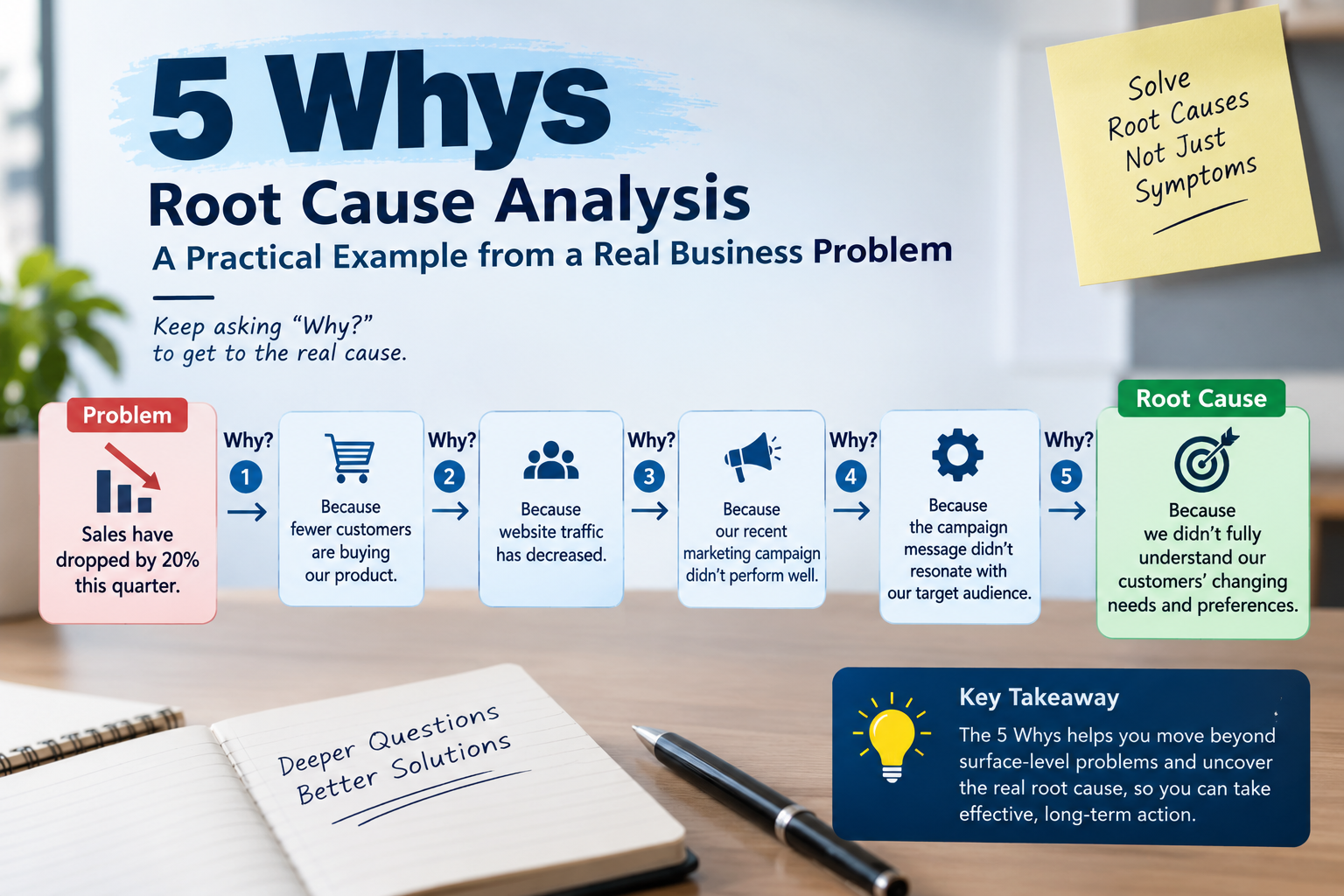
- Root cause analysis and problem-solving methodologies
- Statistical process control and quality management tools
By mastering these concepts, participants gain the confidence and skills needed to lead process improvement projects successfully. Training programs often include hands-on projects, allowing participants to apply their knowledge in real-world scenarios, further solidifying their learning experience.
Implementing Lean Six Sigma in Your Organization
Successful Six Sigma implementation requires a structured approach and commitment from all levels of the organization. Here are some steps to effectively implement Lean Six Sigma:
1. Define Objectives
Start by clearly defining the goals of your Lean Six Sigma initiative. What specific processes do you want to improve? What are the expected outcomes? Having well-defined objectives sets the direction for the entire project.
2. Train Your Team
Ensure that your team members, especially those in leadership roles, undergo Lean Six Sigma training. This includes not only Green Belts but also Black Belts and executives, as a unified understanding of the methodology is crucial for success.
3. Identify Projects
Choose specific projects that align with your organizational objectives and can yield measurable results. Focus on areas where improvements will have the most significant impact on efficiency and quality.
4. Utilize Lean Six Sigma Tools
Leverage the various tools and techniques learned during Lean Six Sigma training. Tools such as DMAIC (Define, Measure, Analyze, Improve, Control) and SIPOC (Suppliers, Inputs, Process, Outputs, Customers) can guide your team throughout the project lifecycle.
5. Monitor and Adjust
Regularly monitor the progress of your Lean Six Sigma initiatives. Use data to evaluate the effectiveness of the improvements made and be open to adjusting your approach based on the results.
FAQs About Lean Six Sigma Green Belt
1. What is the difference between a Lean Six Sigma Green Belt and a Black Belt?
A Lean Six Sigma Green Belt typically works on process improvement projects part-time while maintaining their regular job responsibilities. In contrast, a Black Belt is more experienced and dedicates their time exclusively to Six Sigma projects, often leading larger initiatives.
2. How long does it take to achieve Lean Six Sigma Green Belt certification?
The duration of Lean Six Sigma Green Belt training can vary, but it generally takes about 3 to 5 days of intensive training, followed by a project that demonstrates the application of learned concepts to gain certification.
3. Is Lean Six Sigma relevant to all industries?
Yes, Lean Six Sigma principles can be applied across various industries, including manufacturing, healthcare, finance, and service sectors. The focus on process improvement and quality management is universal.
4. What is the cost of Lean Six Sigma Green Belt training in India?
The cost of Lean Six Sigma Green Belt training in India can vary based on the training provider and course format. On average, it ranges from INR 15,000 to INR 30,000. Investing in this training can yield significant returns in terms of career growth and organizational efficiency.
Conclusion
Lean Six Sigma Green Belt certification is an invaluable asset for professionals seeking to improve processes in their organizations. By mastering the principles of Lean and Six Sigma, individuals can drive significant enhancements in quality management, cost reduction, and overall operational efficiency. As businesses in India strive for excellence in an increasingly competitive landscape, investing in Lean Six Sigma training is a strategic move that can lead to lasting improvements and success.
If you're ready to elevate your career and contribute to your organization's success, consider enrolling in a Lean Six Sigma Green Belt training program today. Unlock the potential for process improvement and become a vital part of your organization's journey toward excellence!
Call to Action: Interested in Lean Six Sigma Green Belt Training? Sign up now! Transform your skills and drive impactful change in your organization.



Leave a Comment