
 Quality Management



















 IT Service Management



 Project Management



 Agile Management




 Web Development



 Cloud Computing


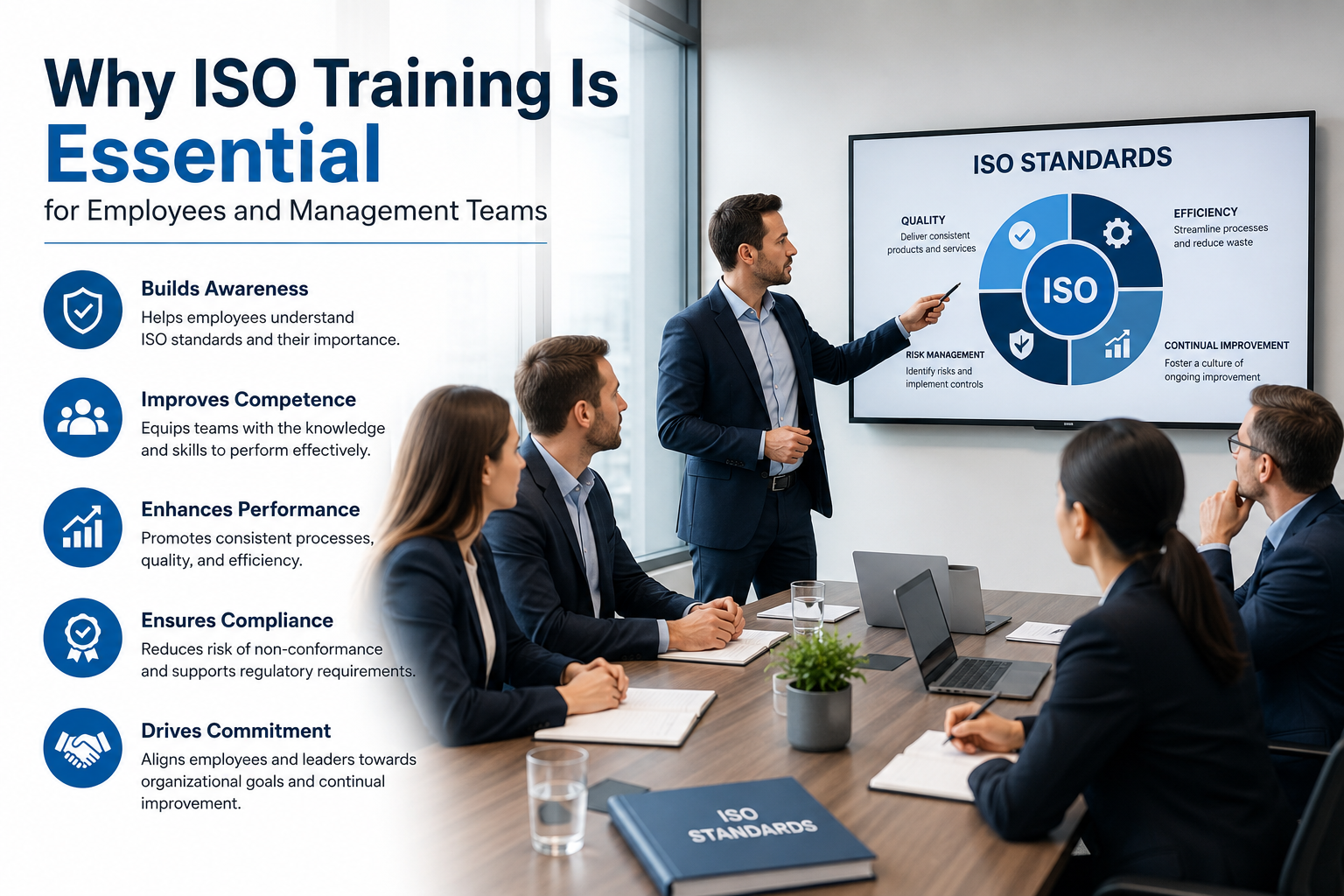
In today's competitive business landscape, ensuring quality and compliance is more critical than ever. ISO (International Organization for Standardization) training is becoming a cornerstone for organizations seeking to improve their processes, enhance employee skills, and drive customer satisfaction. Whether you are a small startup or a large corporation, understanding the importance of compliance training, quality management training, and ISO awareness training can significantly impact your business success. In this blog, we will explore why ISO training is essential for employees and management teams in India.
Understanding ISO Training
ISO training involves educating employees and management teams about the standards set by the International Organization for Standardization. These standards ensure that products and services are safe, reliable, and of good quality. ISO training typically includes:
- ISO awareness training
- Compliance training
- Quality management training
ISO training equips employees with the knowledge and skills necessary to meet these standards, fostering a culture of continuous improvement and customer satisfaction.
The Importance of ISO Training
1. Enhancing Quality Management
Quality management training is vital for any organization that aims to deliver high-quality products and services. ISO standards, such as ISO 9001, provide a framework for organizations to establish a quality management system (QMS). This QMS helps in:
- Improving process efficiency
- Reducing waste and operational costs
- Enhancing customer satisfaction
By investing in ISO training, employees learn how to implement these standards effectively, leading to improved quality and operational performance.
2. Ensuring Compliance
Compliance training is crucial for organizations to adhere to legal and regulatory requirements. Non-compliance can lead to hefty fines, legal issues, and damage to the company's reputation. ISO training provides employees with the knowledge to understand and comply with relevant standards and regulations, reducing the risk of non-compliance.
3. Building a Culture of Continuous Improvement
ISO awareness training fosters a culture of continuous improvement within the organization. Employees trained in ISO principles are encouraged to identify areas for improvement in processes and practices. This proactive approach not only enhances efficiency but also promotes innovation and a strong commitment to quality among employees.
4. Boosting Employee Confidence and Morale
When employees receive proper training, they feel more confident in their roles. ISO training empowers employees with the skills and knowledge to perform their tasks effectively, which can lead to higher job satisfaction and morale. A motivated workforce is often more productive and committed to achieving organizational goals.
Tailoring ISO Training for Indian Organizations
In India, the implementation of ISO standards is gaining momentum across various industries, from manufacturing to services. However, it is essential to tailor ISO training to the unique cultural and operational contexts of Indian organizations. Here are some considerations:
1. Local Regulations and Standards
Employees should be made aware of local regulations and how they relate to ISO standards. Tailoring training to include Indian laws and standards will ensure that employees understand the compliance landscape better.
2. Language and Communication
ISO training materials should be available in multiple languages to accommodate diverse teams. Ensuring that employees fully understand the training content enhances its effectiveness and applicability.
3. Practical Applications
Incorporating case studies and real-life examples relevant to the Indian market can make ISO training more engaging and relatable for employees. Practical applications of ISO standards will help employees understand how to implement these concepts in their daily work.
How to Implement ISO Training in Your Organization
Implementing ISO training requires careful planning and execution. Here are some steps to consider:
1. Identify Training Needs
Assess the existing knowledge levels of employees and identify gaps in understanding ISO standards. This assessment will help in tailoring the training program to meet specific needs.
2. Choose the Right Training Provider
Select a reputable training provider that specializes in ISO training. Look for trainers with experience and expertise in the relevant ISO standards applicable to your industry.
3. Develop a Training Schedule
Create a training schedule that accommodates employees’ work responsibilities. Consider offering flexible training options, such as online modules or weekend workshops, to ensure maximum participation.
4. Evaluate Training Effectiveness
After the training, gather feedback from participants to evaluate its effectiveness. Use this feedback to make improvements for future training sessions.
FAQs About ISO Training
1. What is the duration of ISO training?
The duration of ISO training can vary depending on the specific course and the depth of content covered. Typically, awareness training can last a few hours, while comprehensive courses may take several days.
2. Is ISO certification necessary for all businesses?
While ISO certification is not mandatory for all businesses, obtaining it can enhance credibility, improve processes, and increase customer trust. Many organizations pursue ISO certification to gain a competitive edge.
3. How often should employees undergo ISO training?
It is recommended that employees undergo ISO training regularly, especially when there are updates to standards or when new employees join. Annual refresher courses can help maintain awareness and compliance.
4. Can ISO training be conducted online?
Yes, many training providers offer online ISO training programs that allow employees to learn at their own pace. This flexibility is particularly beneficial for organizations with remote teams.
Conclusion
ISO training is not just a regulatory requirement; it is an investment in your organization’s future. By equipping employees and management teams with the necessary skills and knowledge, businesses can enhance quality, ensure compliance, and foster a culture of continuous improvement. Whether you are looking for corporate ISO training or specific ISO awareness training, the benefits are undeniable. Start your journey towards excellence today!
Call to Action: Ready to elevate your organization’s standards? Contact us today to learn more about our ISO training programs tailored for Indian businesses. Let’s work together to achieve quality and compliance excellence!




Leave a Comment