 Quality Management


















 IT Service Management



 Project Management



 Agile Management




 Web Development



 Cloud Computing


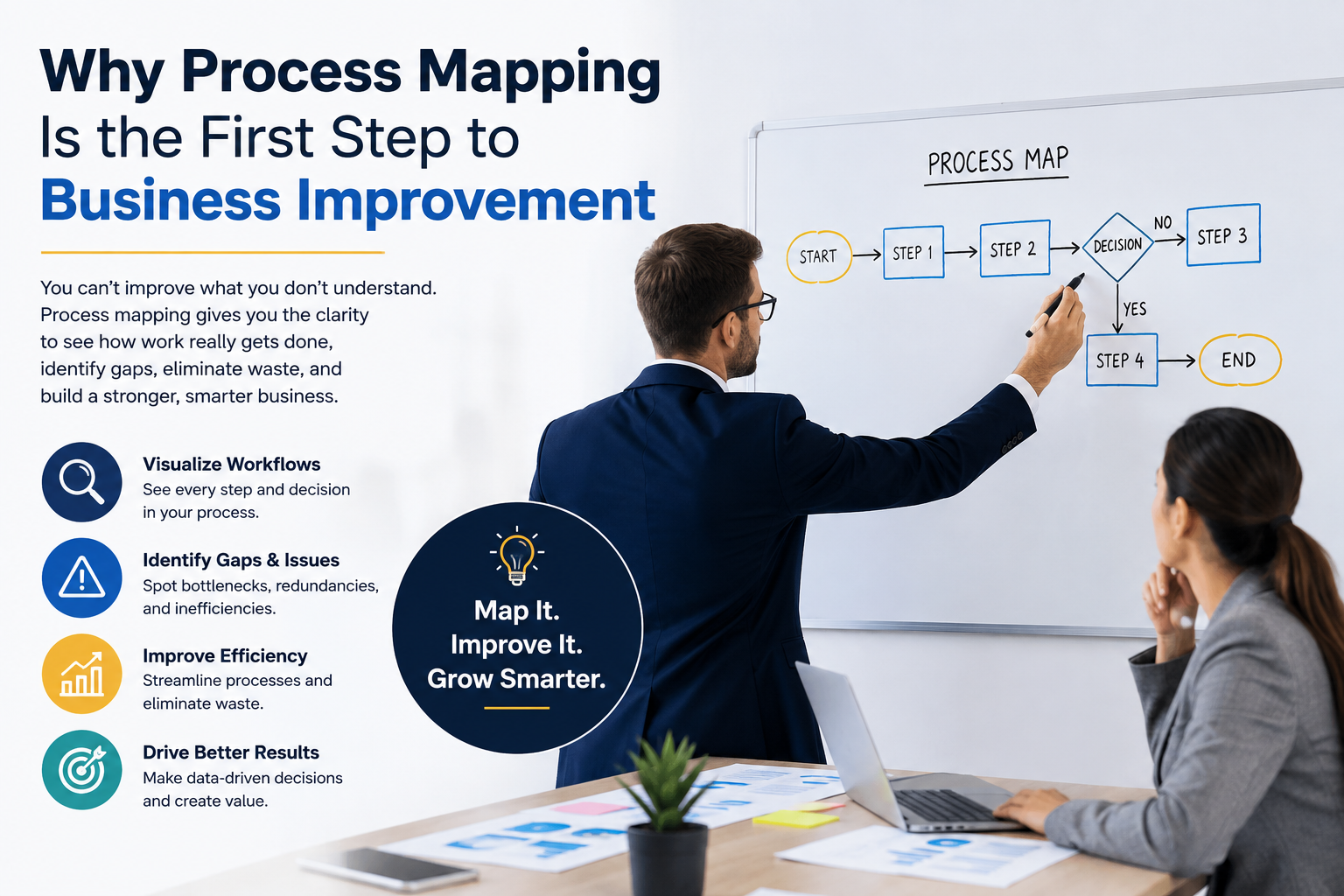
In today's competitive business landscape, organizations are constantly seeking ways to enhance efficiency, reduce costs, and improve customer satisfaction. Among the various strategies available, process mapping stands out as a crucial first step towards achieving these goals. In this blog, we will explore the significance of business process mapping and how it can lead to effective process improvement.
Understanding Process Mapping
Process mapping is the visual representation of a business process, detailing the steps involved, the people responsible, and the flow of information and materials. It serves as a blueprint for understanding how a process operates and identifies areas for improvement.
This technique is essential for organizations in India, where diverse business practices and rapid economic changes demand a thorough analysis of operational workflows. By employing workflow mapping, businesses can uncover inefficiencies, redundancies, and bottlenecks that hinder performance.
The Importance of Business Process Mapping
1. Enhanced Clarity and Communication
One of the primary benefits of business process mapping is that it fosters clarity among team members. When processes are mapped out visually, everyone can see and understand their respective roles and responsibilities. This transparency enhances communication, ensuring that all stakeholders are on the same page.
2. Identification of Inefficiencies
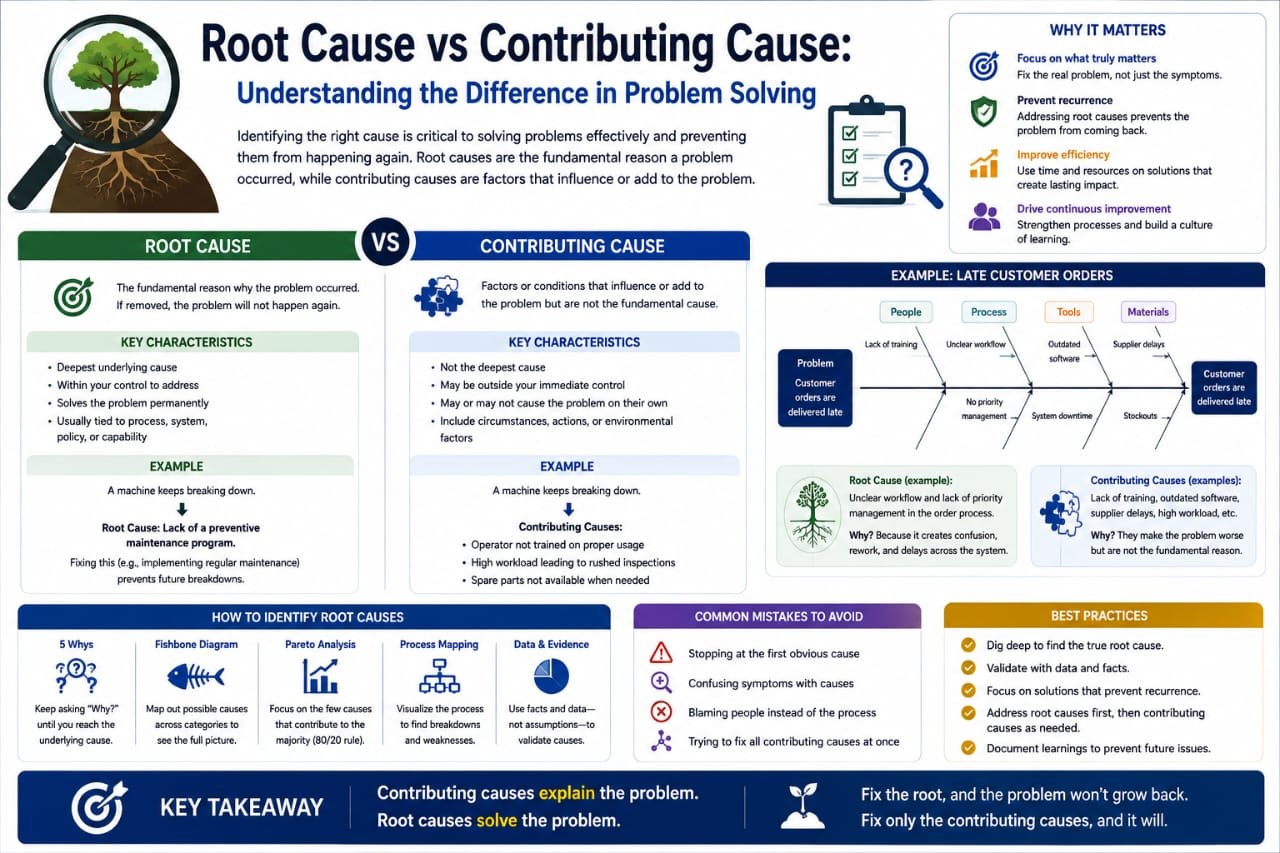
Through lean process analysis, organizations can identify areas where resources are being wasted. For example, if a process involves unnecessary steps or excessive approvals, it can slow down operations and lead to frustration among employees and customers alike. Process mapping allows businesses to pinpoint these inefficiencies and streamline their operations accordingly.
3. Better Decision-Making
When organizations have a clear view of their processes, decision-making becomes significantly easier. Leaders can assess the current state of operations and make informed choices about changes or improvements. This data-driven approach is crucial for sustained growth and innovation.
Implementing Process Mapping in Your Organization
Step 1: Define Your Objectives
Before you begin business process mapping, it's essential to define your objectives. What specific outcomes are you hoping to achieve? Whether it's reducing cycle times, enhancing quality, or increasing customer satisfaction, having clear goals will guide your mapping efforts.
Step 2: Gather a Cross-Functional Team
Involve representatives from various departments to ensure that all perspectives are considered. A cross-functional team will provide insights into different aspects of the process, revealing potential gaps and areas for improvement.
Step 3: Map the Current Process
Using flowcharts or other visual tools, begin to map out the current process. Document each step, decision point, and the individuals responsible. At this stage, it's crucial to capture the process as it currently exists, without making changes.
Step 4: Analyze the Process
Once the current process is mapped, analyze it for inefficiencies, redundancies, and bottlenecks. Engage your team in discussions to gather feedback on potential improvements and alternative approaches.
Step 5: Design the Improved Process
After identifying areas for improvement, design the new process. Ensure that it aligns with your defined objectives and incorporates best practices from lean process analysis. Share the proposed changes with your team for input and validation.
Step 6: Implement and Monitor
Once the new process is finalized, implement the changes and monitor the outcomes. Collect data to assess whether the improvements are delivering the desired results. Regularly revisit the process and be open to further adjustments as necessary.
Benefits of Process Mapping for Indian Businesses
In India, where businesses range from small startups to large corporations, process mapping offers numerous advantages:
- Cost Reduction: By identifying inefficiencies, businesses can reduce operational costs, leading to higher profitability.
- Improved Customer Satisfaction: Streamlined processes enhance service delivery, resulting in increased customer satisfaction and loyalty.
- Agility and Flexibility: In a fast-paced market, businesses that can quickly adapt their processes are better positioned to respond to changing customer needs and market trends.
FAQs About Process Mapping
What tools can I use for process mapping?
There are several tools available for business process mapping, including software like Lucidchart, Microsoft Visio, and Draw.io. These tools help create visual representations of your processes quickly and efficiently.
How often should I update my process maps?
It's advisable to review and update your process maps regularly, especially when significant changes occur in your operations or market environment. This ensures that your processes remain relevant and effective.
Can process mapping help with compliance and risk management?
Yes, process mapping can play a critical role in compliance and risk management by ensuring that processes are transparent and documented, making it easier to identify potential risks and ensure adherence to regulations.
Is process mapping suitable for all types of businesses?
Absolutely! Regardless of size or industry, every business can benefit from process mapping as it provides valuable insights into operations and promotes continuous improvement.
Conclusion
In conclusion, process mapping is not just a preliminary step in process improvement; it is the foundation upon which successful business strategies are built. By investing time in understanding your processes through mapping, you empower your organization to identify inefficiencies, enhance communication, and make informed decisions.
If you're ready to take your business to the next level, start your journey with business process mapping today. Reach out to us for expert guidance and tools to help you implement effective workflow mapping and achieve sustainable growth.
Call to Action: Don’t wait! Contact us now to discover how our process mapping services can transform your business for the better.


Leave a Comment