
 Quality Management



















 IT Service Management



 Project Management


 Agile Management



 Web Development


 Cloud Computing


In the rapidly evolving landscape of Indian businesses, the need for agility and adaptability is paramount. Organizations are increasingly recognizing the importance of a continuous improvement culture, particularly through frameworks like Six Sigma. This methodology not only enhances operational efficiency but also fosters a learning environment that can significantly benefit workforce transformation. In this blog, we will explore how HR and Learning & Development (L&D) teams can effectively integrate Six Sigma into their employee training programs to promote a culture of continuous improvement.
Understanding Continuous Improvement Culture
A continuous improvement culture is an organizational mindset focused on consistently enhancing processes, services, and products. It encourages employees at all levels to identify inefficiencies and propose solutions. In India, where competitive markets demand innovation and efficiency, cultivating such a culture is essential for sustainable growth.
The Role of HR and L&D in Fostering Continuous Improvement
HR and L&D teams play a pivotal role in instilling a continuous improvement mindset. Their responsibilities include designing and implementing training programs that equip employees with the necessary skills and knowledge to contribute to organizational development. By integrating Six Sigma methodologies into these programs, HR and L&D can ensure that continuous improvement becomes an intrinsic part of the company culture.
What is Six Sigma?
Six Sigma is a data-driven methodology aimed at reducing defects and improving processes. Originally developed by Motorola in the 1980s, it has become a leading approach for quality management across various industries. Six Sigma utilizes statistical tools and techniques to analyze processes, identify areas for improvement, and implement solutions that lead to measurable outcomes.
Key Components of Six Sigma
- Define: Clearly define the problem and project goals.
- Measure: Collect data to understand current performance levels.
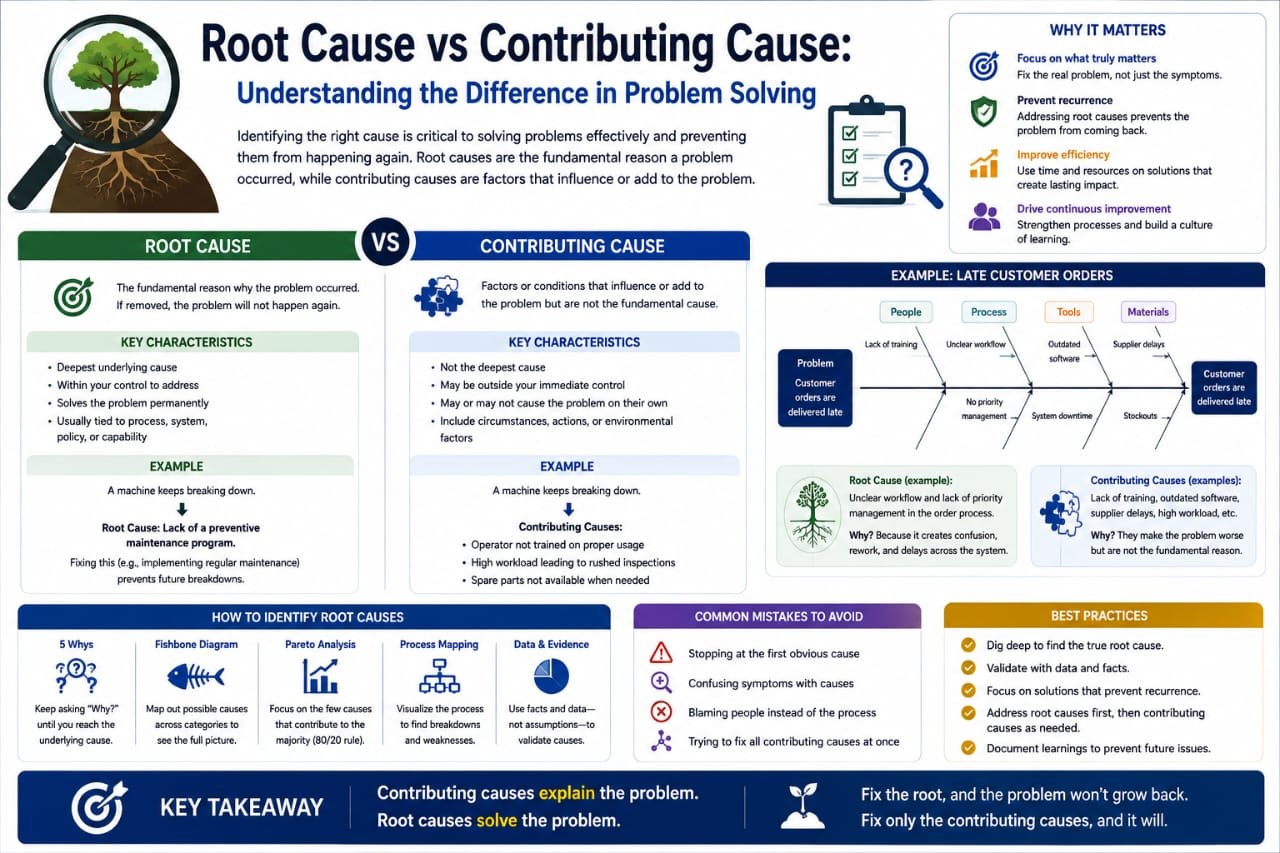
- Analyze: Identify root causes of defects and inefficiencies.
- Improve: Develop and implement solutions to address the issues.
- Control: Establish controls to sustain improvements over time.
Integrating Six Sigma into Employee Training
To build a continuous improvement culture, HR and L&D teams must embed Six Sigma principles into their employee training programs. Here are some effective strategies for doing so:
1. Tailored Learning and Development Training
One size does not fit all when it comes to training. Tailor learning and development training to meet the specific needs of your workforce. Identify the roles and processes that require improvement and design Six Sigma training modules accordingly. This targeted approach ensures that employees are equipped with the relevant skills needed for their specific functions.
2. Emphasize Practical Application
Theoretical knowledge is essential, but practical application is where real learning occurs. Incorporate real-life case studies and projects into the training programs. Allow employees to apply Six Sigma tools and techniques on live projects within the organization. This hands-on experience not only reinforces learning but also fosters ownership and accountability among employees.
3. Foster a Collaborative Learning Environment
A continuous improvement culture thrives on collaboration and open communication. Encourage teamwork during training sessions, allowing employees from different departments to work together on Six Sigma projects. This collaborative approach enhances cross-functional understanding and promotes a culture of shared knowledge and continuous learning.
4. Leverage Technology for Training Delivery
In the digital age, leveraging technology for training delivery is crucial. Use e-learning platforms to make Six Sigma training more accessible. Incorporate interactive modules, quizzes, and discussion forums to enhance engagement. This flexibility allows employees to learn at their own pace, making it easier to fit training into their busy schedules.
5. Establish Clear Metrics for Success
To measure the effectiveness of the training programs, establish clear metrics for success. Use Six Sigma’s data-driven approach to track improvements in efficiency, quality, and employee engagement. Regularly review these metrics and adjust training programs as necessary to ensure continuous improvement.
6. Encourage Continuous Feedback and Adaptation
A culture of continuous improvement is built on feedback. Encourage employees to provide feedback on the training programs and their implementation of Six Sigma practices. This not only helps in refining the training content but also empowers employees to take an active role in their learning journey.
Benefits of Building a Continuous Improvement Culture with Six Sigma
Integrating Six Sigma into learning and development training offers numerous benefits for organizations:
- Enhanced Operational Efficiency: Streamlined processes lead to reduced waste and increased productivity.
- Improved Quality: Six Sigma methodologies help in identifying and eliminating defects, thereby improving product and service quality.
- Employee Engagement: Employees feel empowered and engaged when they are involved in continuous improvement initiatives.
- Data-Driven Decision Making: Six Sigma instills a culture of data analysis, leading to informed decision-making across the organization.
- Organizational Development: A continuous improvement culture fosters adaptability, innovation, and resilience, essential for long-term success.
FAQs
What is Six Sigma?
Six Sigma is a data-driven methodology aimed at improving processes by reducing defects and enhancing overall quality.
How can HR and L&D teams implement Six Sigma in training?
HR and L&D teams can implement Six Sigma by tailoring training programs, emphasizing practical application, fostering collaboration, leveraging technology, establishing metrics, and encouraging feedback.
What are the benefits of a continuous improvement culture?
A continuous improvement culture leads to enhanced operational efficiency, improved quality, increased employee engagement, data-driven decision-making, and overall organizational development.
How long does it take to see results from Six Sigma training?
The timeline for seeing results can vary depending on the organization and the specific processes targeted. However, many organizations start noticing improvements within a few months of implementing Six Sigma practices.
Conclusion
Building a continuous improvement culture through Six Sigma is not just a trend; it’s a necessary strategy for organizations aiming for long-term success in a competitive environment. By integrating Six Sigma into learning and development training, HR and L&D teams can empower employees to contribute to organizational development actively. Embracing this methodology can pave the way for workforce transformation, leading to enhanced efficiency, quality, and employee engagement.
Call To Action: Are you ready to transform your organization with a continuous improvement culture? Contact us today to learn more about how we can help you implement Six Sigma in your employee training programs!


Leave a Comment