
 Quality Management



















 IT Service Management



 Project Management



 Agile Management




 Web Development



 Cloud Computing



In today's competitive business landscape, organizations across India are constantly seeking ways to enhance their operational efficiency and improve overall performance. One proven approach to achieving these goals is through Six Sigma training. This methodology not only helps in minimizing defects and streamlining processes but also provides a significant return on investment (ROI) for businesses that adopt it. In this blog, we will delve deep into the ROI of corporate Six Sigma training, focusing on its effectiveness in promoting operational excellence and driving business transformation.
Understanding Six Sigma: An Overview
Before exploring the ROI of Six Sigma training, it's essential to understand what Six Sigma is. Developed by Motorola in the 1980s, Six Sigma is a data-driven approach that aims to eliminate defects and improve processes across an organization. By employing a set of quality management tools and techniques, businesses can achieve remarkable improvements in their operational capabilities.
The Core Principles of Six Sigma
Six Sigma revolves around five key principles, often referred to as DMAIC:
- Define: Identify the problem and define the project goals.
- Measure: Collect data to establish a baseline for current performance.
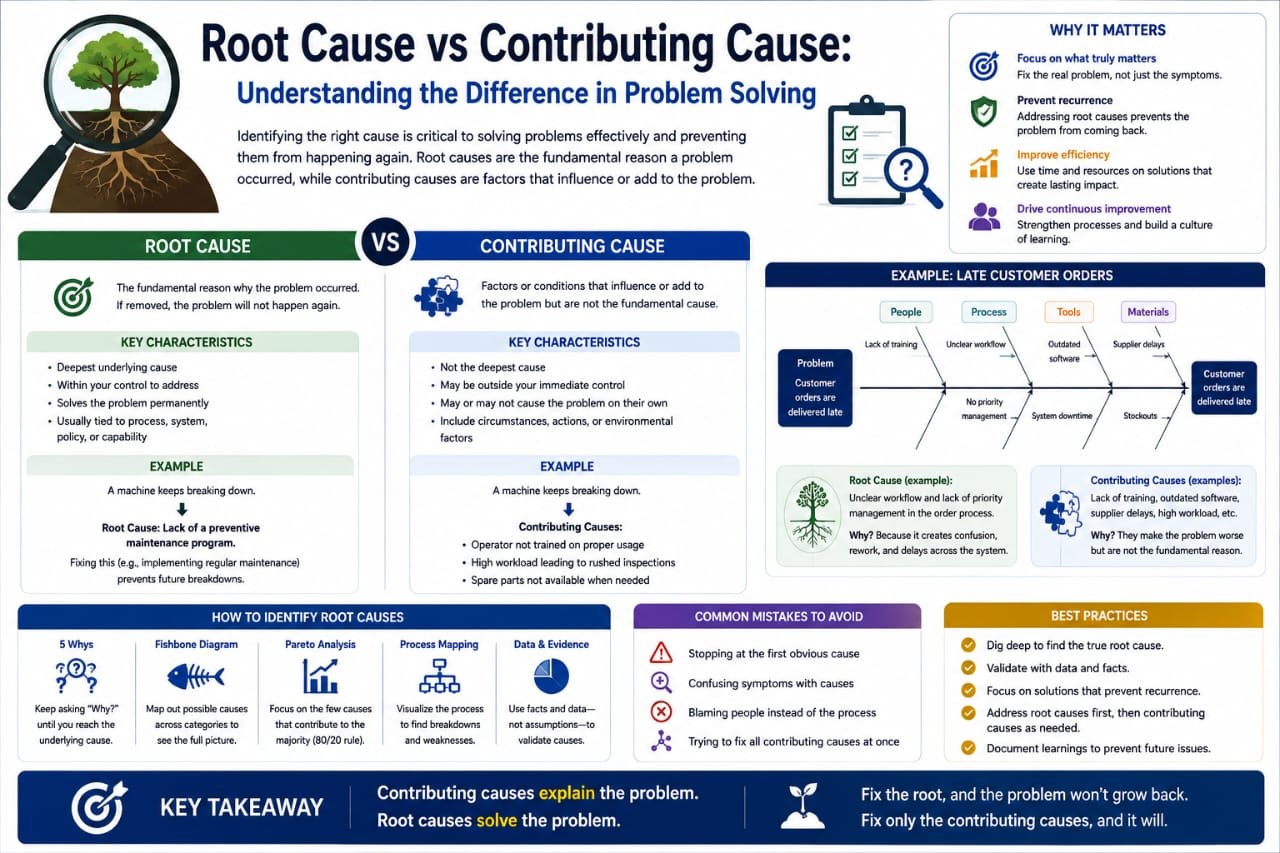
- Analyze: Analyze data to identify root causes of defects.
- Improve: Develop and implement solutions to improve processes.
- Control: Monitor the improved processes to sustain gains.
These principles form the backbone of Six Sigma training and are pivotal in driving operational excellence programs within organizations.
The ROI of Six Sigma Training
Investing in Six Sigma training can lead to substantial benefits for businesses. However, to justify such an investment, it's crucial to understand the potential returns. Below are some critical aspects to consider when evaluating the ROI of corporate Six Sigma training.
1. Cost Reduction
One of the most significant advantages of implementing Six Sigma is the potential for cost reduction. By identifying inefficiencies and eliminating defects, businesses can significantly lower operational costs. For instance, a manufacturing company that invests in Six Sigma training can reduce waste, minimize rework, and cut down on material costs, ultimately leading to higher profit margins.
2. Enhanced Quality
Six Sigma training equips employees with the skills to improve product and service quality. With fewer defects and improved processes, businesses can deliver higher-quality offerings to customers, leading to increased customer satisfaction and loyalty. This enhanced quality not only contributes to customer retention but also reduces the costs associated with handling returns and warranty claims.
3. Increased Productivity
By streamlining processes and eliminating bottlenecks, Six Sigma training can lead to increased employee productivity. When employees are trained in Six Sigma methodologies, they become adept at identifying inefficiencies and implementing solutions that save time and resources. This boost in productivity translates to faster turnaround times and ultimately improved profitability.
4. Improved Employee Engagement
Investing in Six Sigma training demonstrates a commitment to employee development, which can lead to higher job satisfaction and engagement. When employees feel valued and equipped with the necessary skills to contribute to the organization's success, they are more likely to take ownership of their work, leading to a more motivated workforce.
5. Competitive Advantage
Organizations that adopt Six Sigma methodologies often gain a significant competitive edge in their industry. By consistently delivering high-quality products and services, businesses can differentiate themselves from competitors. This not only helps in attracting new customers but also positions the company as a leader in operational excellence.
Measuring the Effectiveness of Six Sigma Training
To fully understand the return on investment from Six Sigma training, businesses need to implement effective measurement strategies. Here are some key metrics to consider:
1. Financial Metrics
Measuring the financial impact of Six Sigma initiatives is essential. This includes tracking cost savings, revenue growth, and profitability improvements directly attributable to Six Sigma projects. Businesses should establish a baseline before training and measure progress post-implementation to quantify ROI effectively.
2. Process Performance Metrics
Monitoring process performance metrics, such as cycle time, defect rates, and throughput, provides insight into the effectiveness of Six Sigma training. Improvements in these areas indicate successful implementation of Six Sigma methodologies and contribute to overall operational excellence.
3. Customer Satisfaction Metrics
Customer feedback and satisfaction surveys can provide valuable insights into how Six Sigma training has impacted the quality of products and services. An increase in customer satisfaction scores can be a strong indicator of successful Six Sigma initiatives.
Challenges in Implementing Six Sigma Training
While the benefits of Six Sigma training are clear, organizations may face challenges during implementation. Some common obstacles include:
1. Resistance to Change
Employees may be hesitant to adopt new methodologies and processes, which can hinder the success of Six Sigma initiatives. To overcome this resistance, businesses should emphasize the benefits of Six Sigma and involve employees in the training process.
2. Lack of Leadership Support
For Six Sigma training to be effective, it requires strong leadership support. Business leaders must champion the initiative and allocate the necessary resources to ensure its success.
3. Inadequate Training Programs
Not all Six Sigma training programs are created equal. Organizations must invest in high-quality training that aligns with their specific needs and objectives to maximize the effectiveness of the initiative.
FAQs on Six Sigma Training ROI
1. How long does it take to see ROI from Six Sigma training?
The time frame for seeing ROI from Six Sigma training can vary depending on the organization, the scope of the projects undertaken, and the commitment to implementation. However, many businesses report noticeable improvements within six months to a year after training.
2. Is Six Sigma training suitable for all industries?
Yes, Six Sigma training can be applied across various industries, including manufacturing, healthcare, finance, and service sectors. The principles of Six Sigma are universally applicable to any organization looking to improve processes and reduce defects.
3. What qualifications should a Six Sigma trainer have?
A qualified Six Sigma trainer should have a deep understanding of Six Sigma methodologies, relevant industry experience, and a proven track record of successful project implementations. Certifications such as Six Sigma Black Belt or Master Black Belt are also valuable indicators of expertise.
Conclusion: Invest in Six Sigma Training for Business Transformation
In conclusion, the ROI of corporate Six Sigma training is substantial, offering businesses in India a pathway to operational excellence and sustainable growth. By committing to Six Sigma methodologies, organizations can reduce costs, enhance quality, and improve employee engagement, all while gaining a competitive edge in their respective industries. As a business leader, investing in Six Sigma training is not just an option; it's a strategic necessity for driving business transformation.
Are you ready to take your organization’s operational excellence to the next level? Invest in Six Sigma training today and unlock the potential for significant returns on your investment!
Call to Action: Contact us now to learn more about our comprehensive Six Sigma training programs tailored for your business needs. Let’s embark on a journey towards operational excellence together!


Leave a Comment