
 Quality Management



















 IT Service Management



 Project Management



 Agile Management




 Web Development



 Cloud Computing


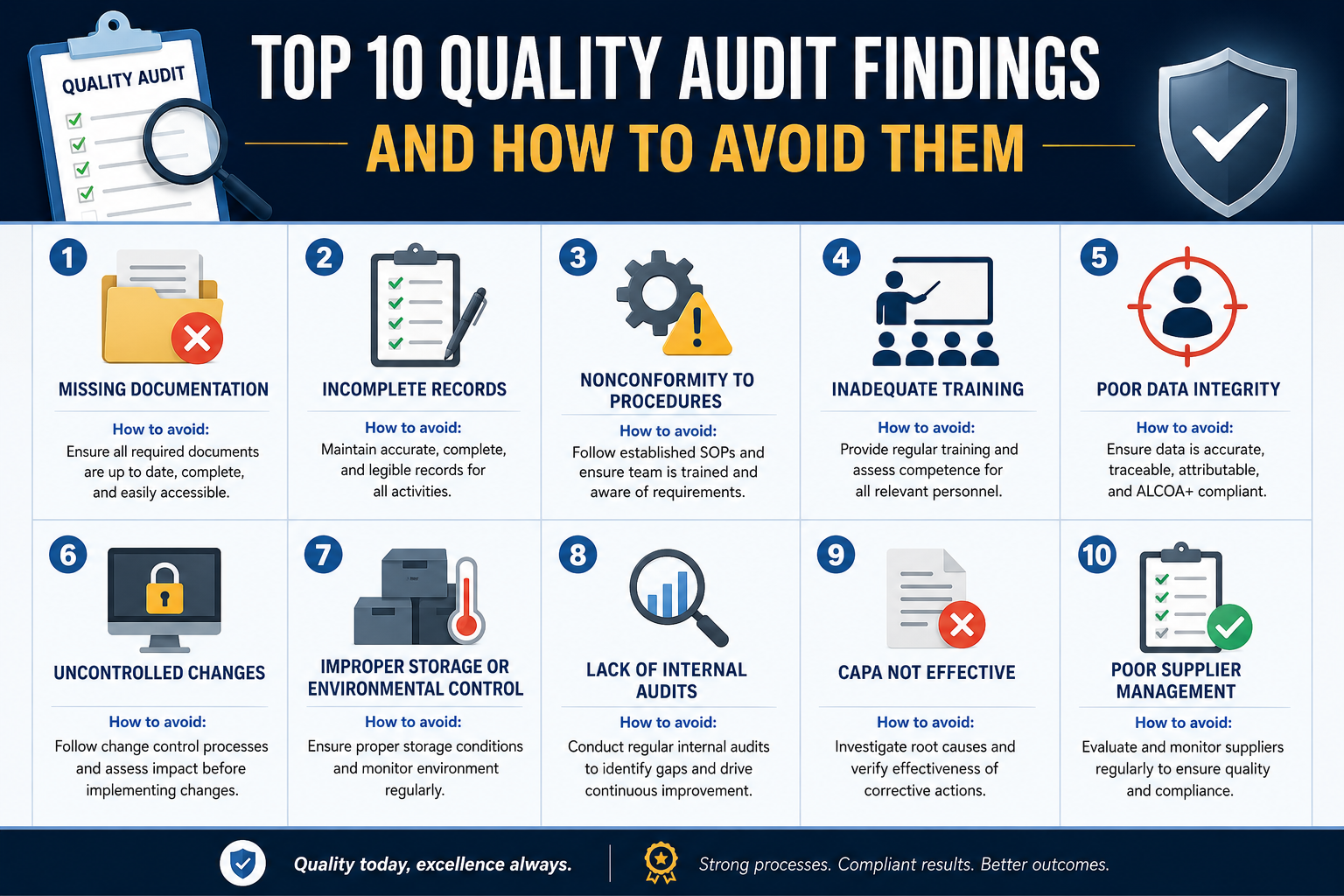
In today’s competitive business landscape, ensuring compliance and maintaining a robust quality management system is paramount for organizations striving for excellence. Quality audits play a crucial role in identifying non-conformance issues and improving quality compliance. However, certain audit findings often recur, which can impede progress and lead to costly corrective actions. In this blog, we will explore the top 10 quality audit findings and provide practical tips on how to avoid them, helping your organization maintain a strong reputation and operational efficiency.
1. Inadequate Document Control
One of the most common audit findings is inadequate document control. This includes issues such as missing documents, outdated versions in circulation, and lack of proper revisions. Effective document control is essential for ensuring that all team members work with the most current information.
How to Avoid This Finding:
- Implement a centralized document management system that tracks changes, approvals, and access.
- Regularly review and update documents to ensure they reflect current practices.
- Train employees on proper document management procedures.
2. Non-Conformance Management Issues
Non-conformance management is a critical aspect of maintaining quality compliance. Audit findings often reveal that organizations fail to effectively manage non-conformance, leading to repeated issues and unresolved problems.
How to Avoid This Finding:
- Establish a clear non-conformance reporting process that encourages timely identification and resolution.
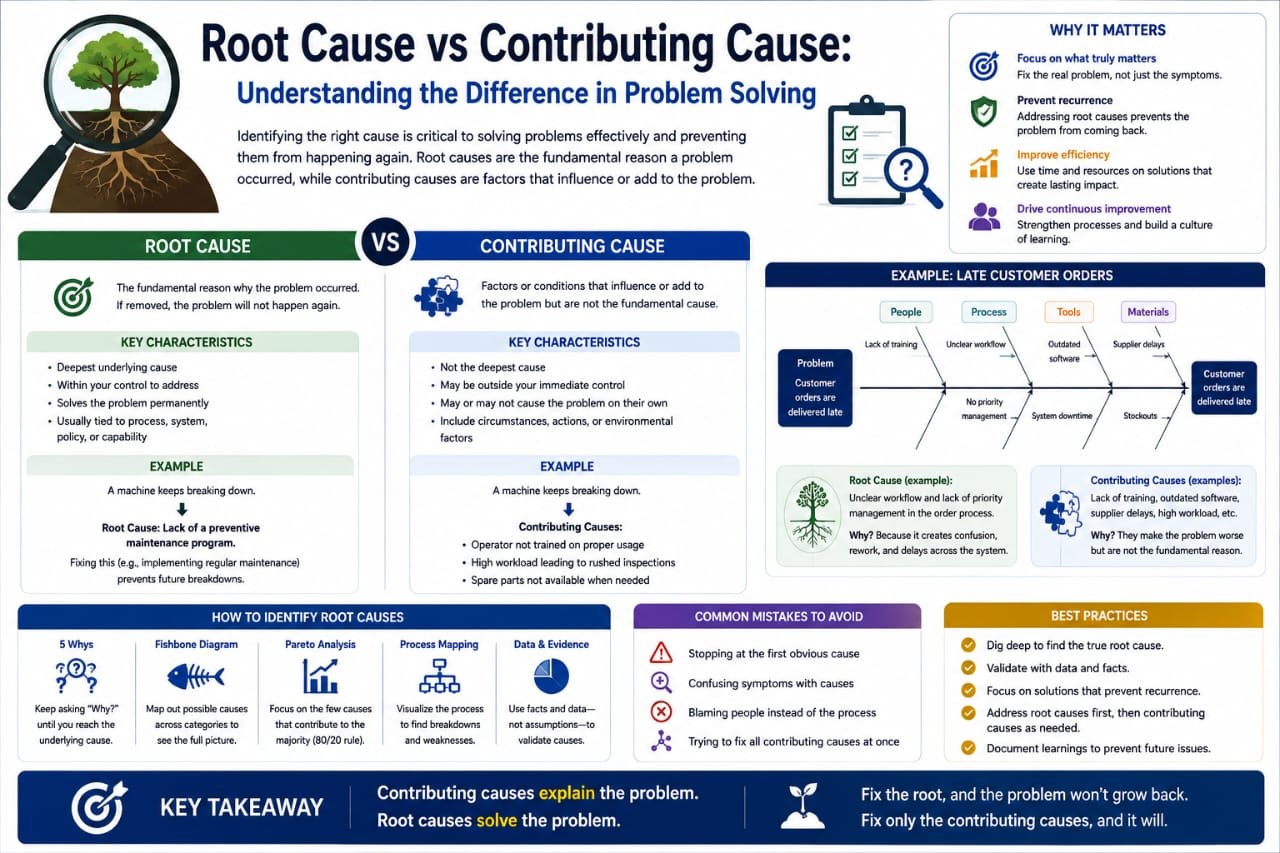
- Utilize root cause analysis to address underlying issues rather than just symptoms.
- Regularly review and analyze non-conformance trends to identify areas for improvement.
3. Insufficient Corrective Actions
When audit findings indicate insufficient corrective actions, it reflects poorly on an organization's commitment to quality improvement. Often, corrective actions are either not implemented effectively or not followed through.
How to Avoid This Finding:
- Create a corrective action plan that outlines specific steps, responsibilities, and timelines.
- Monitor the effectiveness of corrective actions through follow-up audits and assessments.
- Encourage a culture of accountability where employees understand the importance of taking corrective actions seriously.
4. Lack of Employee Training
Employee training is vital for ensuring that all staff members understand quality management system requirements. Audit findings often highlight gaps in training, which can lead to non-compliance and quality issues.
How to Avoid This Finding:
- Develop a comprehensive training program that covers all aspects of quality management.
- Provide regular refresher courses and updates on changes in quality standards.
- Maintain training records to demonstrate compliance during audits.
5. Failure to Conduct Internal Audits
Internal audits are essential for assessing the effectiveness of quality management systems. However, organizations sometimes neglect this crucial task, leading to unidentified issues and non-compliance.
How to Avoid This Finding:
- Schedule regular internal audits to assess compliance with quality management standards.
- Ensure that audit findings are documented, addressed, and communicated to relevant stakeholders.
- Utilize internal audits as a tool for continuous improvement, not just compliance.
6. Poor Supplier Management
Supplier-related issues often surface during audits, particularly concerning quality compliance. Inadequate supplier evaluation and monitoring can lead to non-conforming products and services.
How to Avoid This Finding:
- Implement a robust supplier evaluation process that assesses quality, reliability, and compliance.
- Regularly review supplier performance and conduct audits as necessary.
- Establish clear communication channels with suppliers to address potential quality concerns promptly.
7. Inconsistent Quality Control Processes
Inconsistent quality control processes can lead to variability in product quality and service delivery. Audit findings may highlight lapses in standard operating procedures (SOPs) that need to be addressed.
How to Avoid This Finding:
- Standardize quality control processes across all departments and functions.
- Utilize checklists and templates to ensure consistency in quality checks.
- Conduct regular training sessions to reinforce adherence to established SOPs.
8. Ignoring Customer Feedback
Customer feedback is a valuable source of information for quality improvement. Audit findings may reveal that organizations fail to capture and act on customer feedback, leading to repeated issues.
How to Avoid This Finding:
- Implement a systematic process for collecting and analyzing customer feedback.
- Utilize surveys, focus groups, and direct communication to gather insights.
- Establish a feedback loop where customer concerns are addressed effectively.
9. Non-Compliance with Regulatory Requirements
Non-compliance with industry regulations can result in severe penalties and damage to an organization’s reputation. Audit findings often point to gaps in understanding or adherence to regulatory requirements.
How to Avoid This Finding:
- Stay updated on relevant regulations and standards affecting your industry.
- Conduct regular training sessions to ensure employees understand compliance requirements.
- Engage with regulatory bodies and industry associations to remain informed of changes.
10. Lack of Management Commitment
Audit findings frequently indicate a lack of commitment from management towards quality initiatives. Without strong leadership support, quality management systems struggle to thrive.
How to Avoid This Finding:
- Demonstrate leadership commitment through active participation in quality initiatives.
- Allocate resources and support for quality management training and improvement efforts.
- Promote a culture of quality throughout the organization, led by example.
Conclusion
Quality audit findings can serve as valuable opportunities for improvement if addressed proactively. By understanding the common pitfalls and implementing preventive measures, organizations can enhance their quality management systems, ensuring compliance and operational excellence. Remember, the goal is not just to pass audits but to foster a culture of continuous improvement that benefits both the organization and its customers.
FAQs
What are audit findings?
Audit findings are the results of an audit that highlight areas of non-compliance or opportunities for improvement within a quality management system.
How can I ensure my organization is compliant with quality standards?
Regular training, effective document control, and a commitment to continuous improvement are essential for ensuring compliance with quality standards.
What role do corrective actions play in quality management?
Corrective actions are vital for addressing identified non-conformances and preventing recurrence, thus maintaining quality compliance.
Call to Action
Is your organization facing challenges with audit findings? Don’t let non-conformance issues hinder your growth. Contact us today for a consultation on how to strengthen your quality management system and ensure compliance with industry standards. Let’s work together to pave the way for success!


Leave a Comment