
 Quality Management



















 IT Service Management



 Project Management



 Agile Management




 Web Development



 Cloud Computing


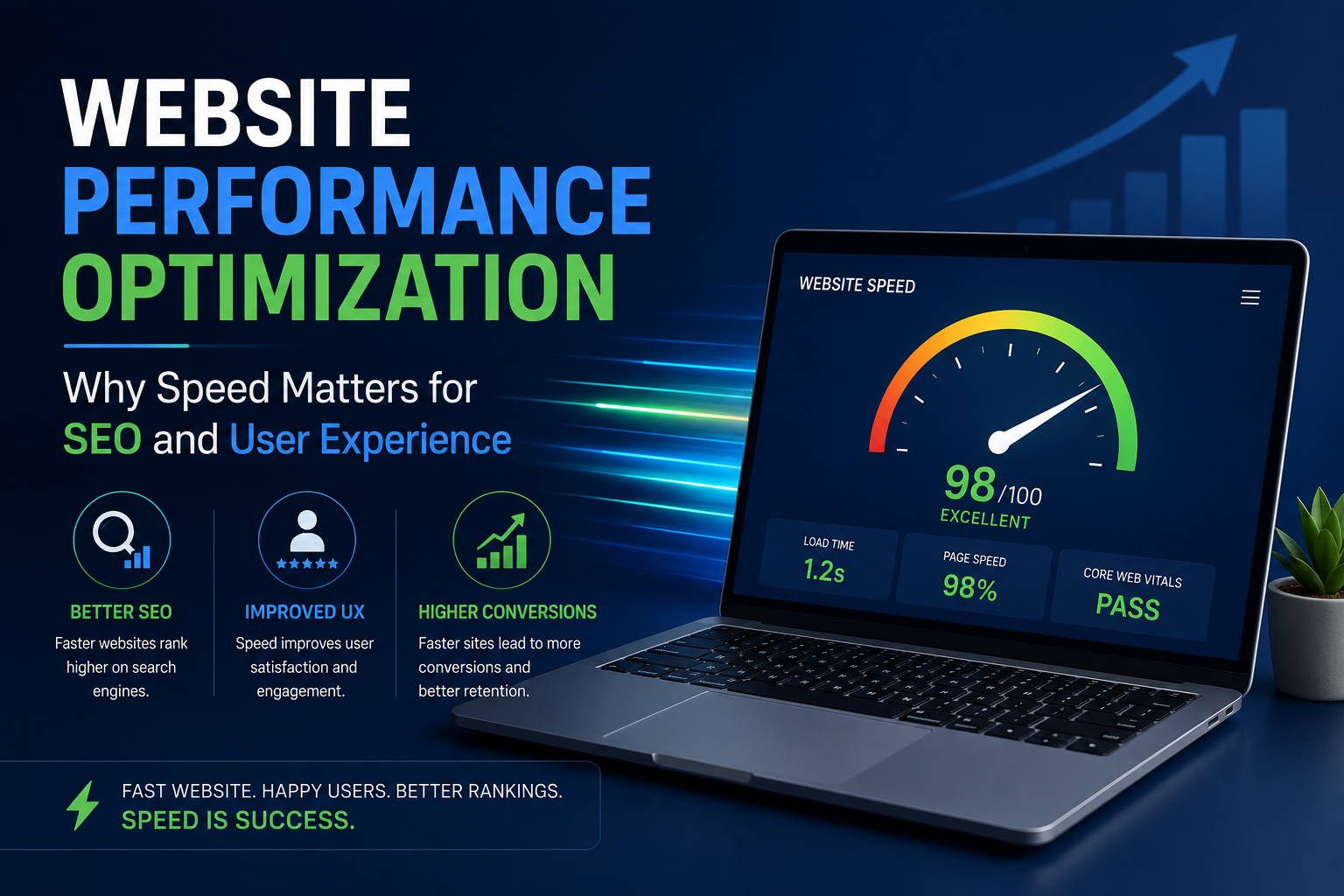
In the fast-paced digital landscape of India, where every second counts, website speed optimization is no longer a luxury; it’s a necessity. With millions of users accessing websites on mobile devices, the speed at which your website loads can directly impact your search engine rankings and user experience. In this blog, we will explore the importance of website performance improvement, delve into the reasons why SEO website speed is crucial, and provide actionable insights on page load optimization and user experience optimization.
The Importance of Website Speed Optimization
Website speed is a critical factor that influences both SEO and user satisfaction. Google has explicitly stated that page speed is a ranking factor, meaning that slower websites are less likely to rank high in search results. In a country like India, where mobile internet usage is soaring, the importance of fast-loading websites cannot be overstated.
Impact on SEO
Search engines like Google prioritize websites that offer a great user experience. A key component of that experience is speed. When your website loads slowly, users are likely to leave before they even see your content, leading to a high bounce rate. This behavior signals to search engines that your site may not be relevant or useful, negatively impacting your rankings.
Impact on User Experience
A fast website enhances user experience significantly. Users expect pages to load quickly; a delay of just a few seconds can lead to frustration and abandonment. In India, where mobile data is often limited, slow-loading pages can lead to higher data consumption, pushing users away. Optimizing your website's performance ensures that your visitors have a seamless experience, encouraging them to stay longer and engage with your content.
Key Elements of Website Performance Improvement
Improving your website's speed involves several techniques and strategies. Here are some key elements to focus on:
1. Optimize Images
Images are often the largest files on a webpage, and unoptimized images can drastically slow down page load times. Use image compression tools to reduce file sizes without sacrificing quality. Additionally, consider using modern formats like WebP for even better optimization.
2. Minify CSS and JavaScript
Another effective way to achieve page load optimization is by minifying your CSS and JavaScript files. Removing unnecessary characters, comments, and whitespace can reduce file sizes significantly, leading to faster load times.
3. Leverage Browser Caching
Browser caching allows users’ browsers to store certain elements of your site so that they don’t need to be downloaded again on subsequent visits. This can significantly speed up page load times for returning visitors.
4. Use a Content Delivery Network (CDN)
A CDN distributes your site’s content across various servers around the world, ensuring that users can access your site from a location closer to them. This can drastically reduce load times for users who are far away from your main server.
5. Reduce Redirects
Each redirect creates additional HTTP requests and can slow down your site. Aim to minimize redirects wherever possible to improve your website's performance.
User Experience Optimization: A Holistic Approach
While website speed optimization is crucial, it's also important to consider the overall user experience. Here are some strategies to enhance user experience further:
1. Simplify Navigation
A well-structured navigation system helps users find what they are looking for quickly. Ensure that your main menu is easy to use and that important pages are accessible within a few clicks.
2. Improve Mobile Responsiveness
With a significant percentage of users accessing websites via mobile devices, ensuring your site is mobile-friendly is paramount. Use responsive design practices to ensure an optimal experience across all devices.
3. Use Clear Call-to-Actions (CTAs)
Your website should guide users towards desired actions, whether that’s signing up for a newsletter or making a purchase. Use clear and compelling CTAs to drive engagement and conversions.
4. Provide Quality Content
Ultimately, quality content plays a pivotal role in user experience. Ensure that your website provides valuable and relevant content that meets the needs of your audience. This not only keeps users engaged but also aids in SEO website speed as relevant content is more likely to be shared and linked to.
Measuring and Analyzing Website Speed
To ensure your optimization efforts are effective, it's crucial to measure and analyze your website's speed regularly. Tools like Google PageSpeed Insights, GTmetrix, and Pingdom can provide valuable insights into your site's performance and highlight areas that require improvement.
FAQs
1. What is website speed optimization?
Website speed optimization involves techniques and strategies to improve the loading speed of a website, enhancing both user experience and search engine rankings.
2. How does website speed affect SEO?
A faster website improves user experience, reduces bounce rates, and signals to search engines that your site provides valuable content, all of which can improve your search rankings.
3. What tools can I use for website performance improvement?
Tools like Google PageSpeed Insights, GTmetrix, and WebPageTest can help analyze your website’s speed and provide actionable recommendations for improvement.
4. How can I check my website’s loading speed?
You can use online tools like GTmetrix or Google PageSpeed Insights to test your website’s loading speed and identify areas for optimization.
5. Is website speed optimization a one-time task?
No, website speed optimization is an ongoing process. Regularly monitor your site’s performance and make adjustments as necessary to maintain optimal speed.
Conclusion
In conclusion, website performance improvement is essential for both SEO and user experience. By focusing on website speed optimization, you not only improve your chances of ranking higher on search engine results pages but also create a more enjoyable experience for your users. Don’t let slow loading times hold your website back; take action today to enhance your site’s performance and retain your audience.
If you need assistance with optimizing your website’s speed or performance, contact us today! Our team of experts is ready to help you enhance your online presence and improve your website's performance.



Leave a Comment