
 Quality Management


















 IT Service Management



 Project Management



 Agile Management




 Web Development



 Cloud Computing


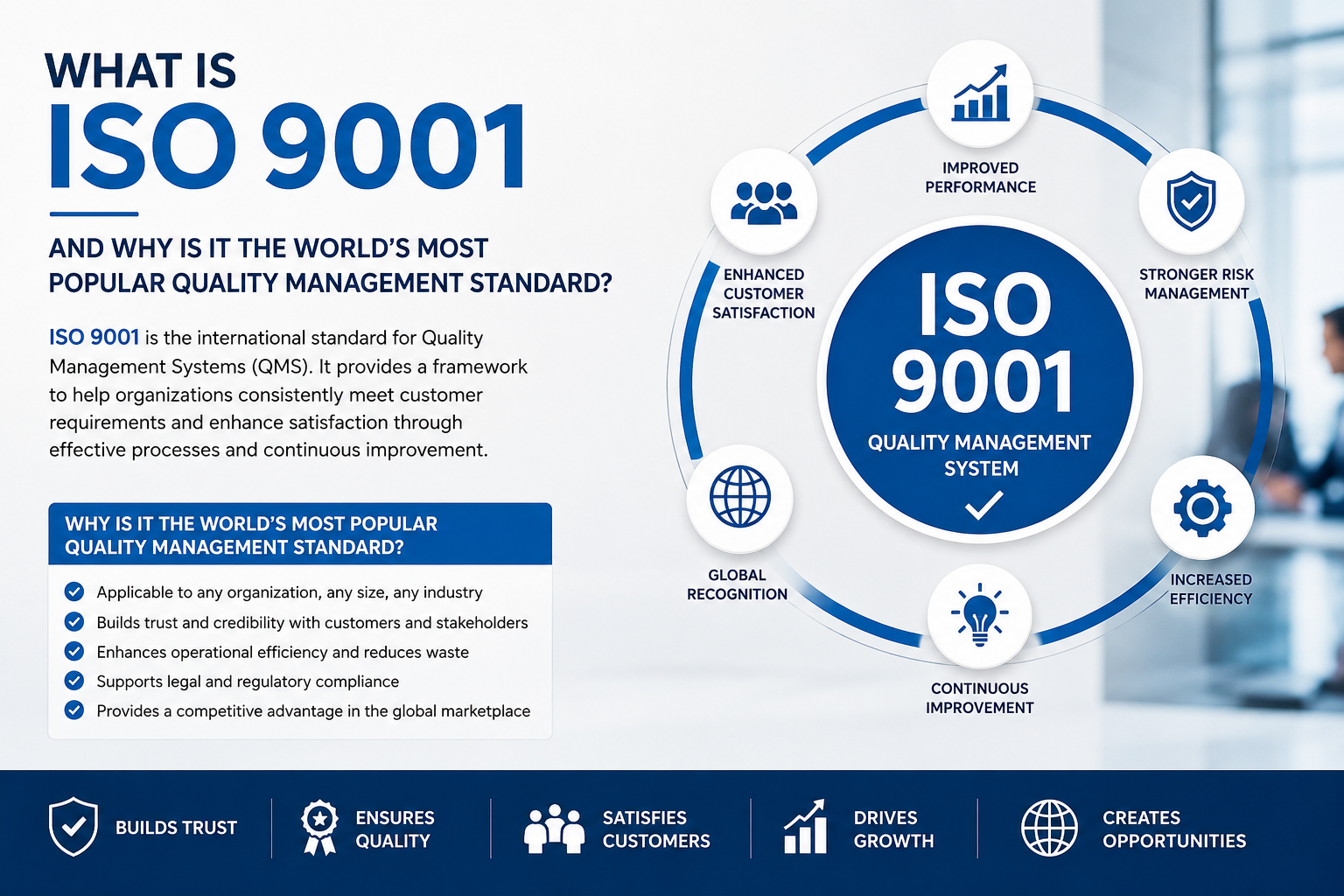
In today’s competitive market, organizations constantly strive for excellence. One of the most recognized ways to achieve this is through the implementation of a quality management system (QMS). Among the various ISO standards available, ISO 9001 stands out as the most widely adopted. This blog will explore what ISO 9001 is, its significance, and why it has become the world's most popular quality management standard, especially in the Indian context.
Understanding ISO 9001
ISO 9001 is an international standard that specifies requirements for a quality management system. It is part of the ISO 9000 family of standards, which focuses on quality management principles. The main goal of ISO 9001 is to help organizations ensure they meet the needs of customers and other stakeholders while adhering to regulatory requirements related to a product or service.
The Core Principles of ISO 9001
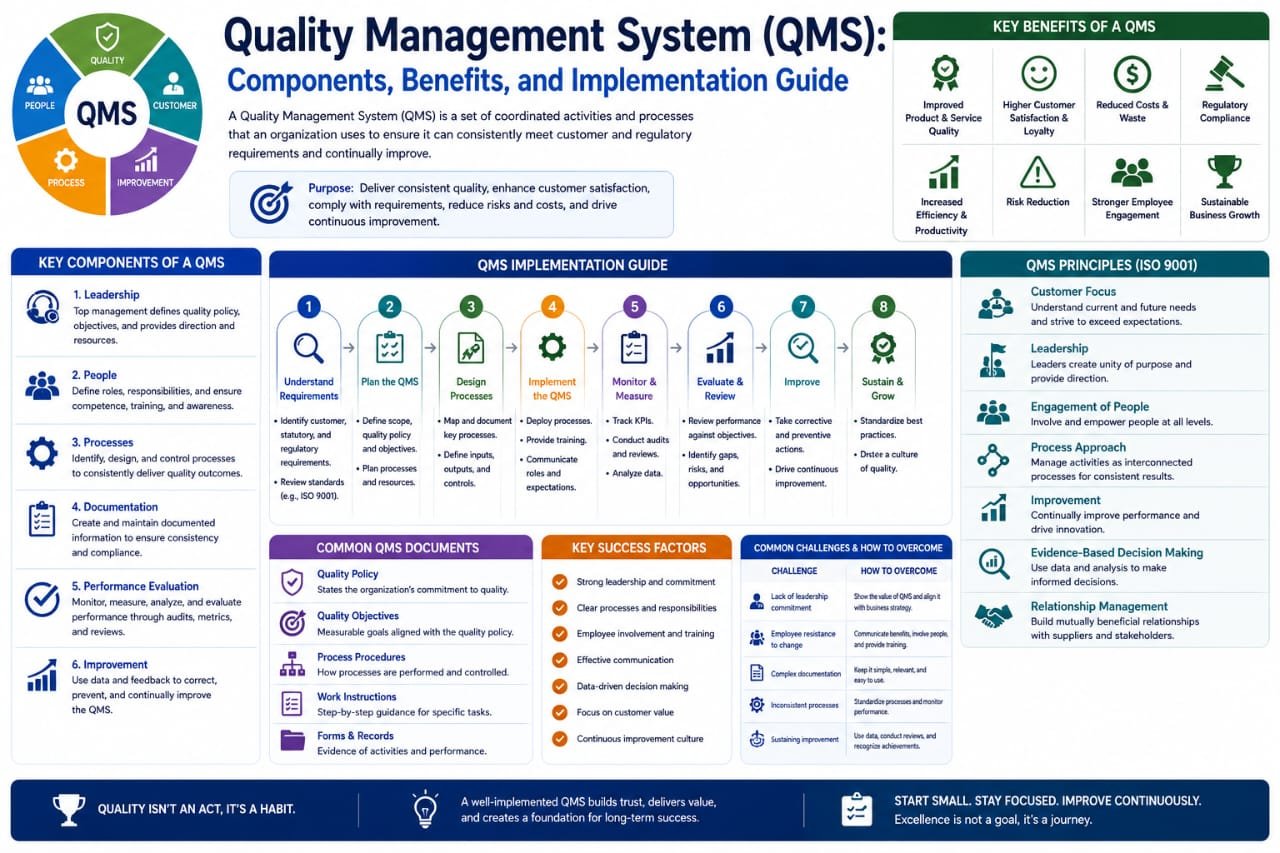
ISO 9001 is built on several core principles that guide organizations in their quest for quality:
- Customer Focus: Understanding and meeting customer needs is paramount.
- Leadership: Leaders must establish unity of purpose and direction.
- Engagement of People: Engaging employees ensures a competent and motivated workforce.
- Process Approach: Managing activities as interconnected processes enhances efficiency.
- Improvement: A continual focus on improvement drives success.
- Evidence-Based Decision Making: Decisions based on data and information yield better results.
- Relationship Management: Building mutually beneficial relationships with stakeholders is crucial.
Why Is ISO 9001 Certification Important?
ISO 9001 certification is a formal recognition that an organization’s quality management system meets the requirements of the ISO 9001 standard. Achieving certification can bring numerous benefits, particularly for businesses in India. Let’s explore some of these advantages:
1. Enhanced Customer Satisfaction
ISO 9001 helps organizations improve their processes, leading to higher quality products and services. By consistently meeting customer expectations, businesses can enhance customer satisfaction and loyalty.
2. Increased Efficiency and Productivity
Implementing a quality management system can streamline operations, reduce waste, and enhance overall productivity. This efficiency translates into cost savings and improved profitability.
3. Improved Market Reputation
ISO 9001 certification demonstrates a commitment to quality and excellence. This can enhance an organization’s reputation, making it more attractive to customers, partners, and investors.
4. Regulatory Compliance
ISO 9001 helps organizations comply with regulatory requirements, reducing the risk of legal issues and ensuring they meet industry standards.
5. Access to Global Markets
ISO 9001 is recognized worldwide. Having this certification can open doors to international markets and partnerships, giving Indian businesses a competitive edge.
The Process of Obtaining ISO 9001 Certification
Obtaining ISO 9001 certification involves several key steps:
1. Preparation and Training
Organizations should invest in training employees about the ISO 9001 standard and its requirements. Understanding the principles and processes is crucial for successful implementation.
2. Gap Analysis
Conducting a gap analysis helps identify areas that need improvement to meet ISO 9001 requirements. This assessment can guide organizations in developing an action plan.
3. Implementation
Organizations must implement the necessary changes to their quality management system. This may involve documenting processes, policies, and procedures.
4. Internal Audit
Before applying for certification, organizations should conduct an internal audit to evaluate the effectiveness of their QMS. This helps identify any non-conformities that need to be addressed.
5. Certification Audit
Once the internal audit is complete, organizations can apply for a certification audit with an accredited certification body. The auditors will assess compliance with ISO 9001 standards.
6. Continuous Improvement
After certification, organizations must continually monitor and improve their QMS to maintain compliance and enhance performance.
Common Misconceptions about ISO 9001
Despite its popularity, many misconceptions surround ISO 9001. Here are a few:
1. ISO 9001 is Only for Large Organizations
This is not true. ISO 9001 can be implemented by organizations of any size, from small startups to large corporations. The principles of quality management apply universally.
2. Certification is a One-Time Process
ISO 9001 certification is not a one-off achievement. Organizations must continually improve their QMS and undergo periodic audits to maintain their certification.
3. ISO 9001 Guarantees Quality
While ISO 9001 provides a framework for quality management, it does not guarantee the quality of products or services. It ensures organizations have processes in place to achieve quality.
Frequently Asked Questions (FAQs)
1. What are the costs associated with ISO 9001 certification?
The costs can vary based on the organization’s size, complexity, and the certification body chosen. It generally includes training, implementation, and audit fees.
2. How long does it take to get ISO 9001 certified?
The duration varies, but it typically takes anywhere from a few months to over a year, depending on the organization's readiness and the complexity of the QMS.
3. Can I implement ISO 9001 without external help?
While it’s possible to implement ISO 9001 internally, many organizations benefit from hiring consultants or training services to guide the process effectively.
4. Is ISO 9001 certification required by law?
No, ISO 9001 certification is not a legal requirement. However, many organizations pursue it to enhance their credibility and competitiveness.
5. What happens if I fail the certification audit?
If an organization fails the certification audit, it will receive a report detailing non-conformities. The organization must address these issues and schedule a follow-up audit.
Conclusion
In conclusion, ISO 9001 is more than just a certification; it is a pathway to organizational excellence. By implementing a quality management system based on ISO 9001 standards, organizations in India can enhance customer satisfaction, improve efficiency, and gain a competitive edge in the market. If you are considering ISO 9001 certification for your organization, now is the time to act!
Ready to take your organization to the next level with ISO 9001 certification? Contact us today to learn how we can help you implement a successful quality management system and achieve certification!


Leave a Comment