
 Quality Management



















 IT Service Management



 Project Management



 Agile Management




 Web Development



 Cloud Computing


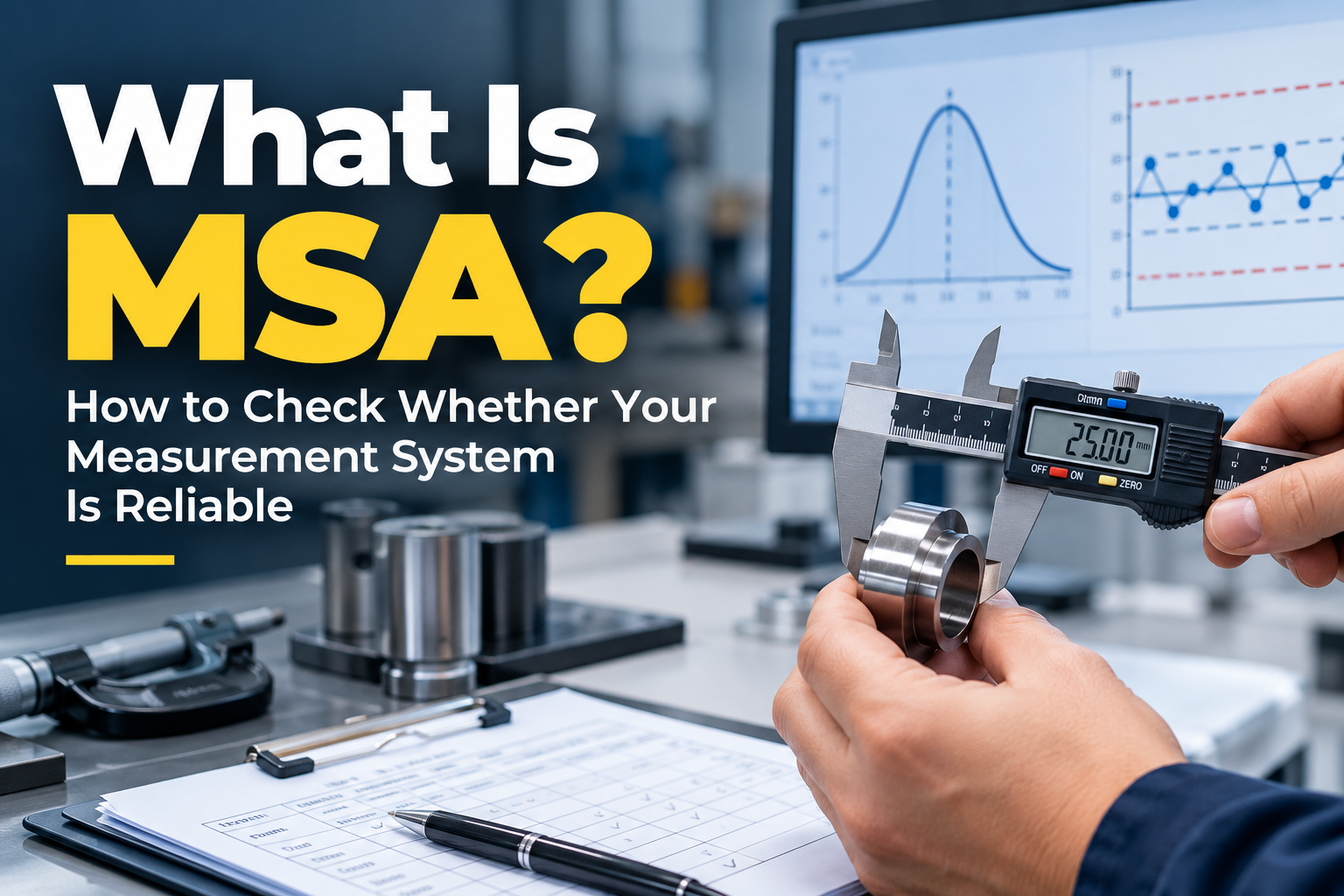
In today's competitive environment, ensuring the accuracy and reliability of your measurement systems is crucial for maintaining quality and efficiency. Particularly in industries such as manufacturing, pharmaceuticals, and engineering, a thorough understanding of Measurement System Analysis (MSA) can help optimize processes, reduce errors, and improve overall product quality. This blog post will delve into what MSA is, its importance, and how to check the reliability of your measurement system.
Understanding Measurement System Analysis (MSA)
Measurement System Analysis (MSA) is a critical component of quality management that evaluates the accuracy and reliability of measurement systems used in various processes. It encompasses a set of statistical tools and techniques designed to identify and quantify variations in measurement processes. These variations can arise from several factors, including equipment, operators, environmental conditions, and calibration standards.
The primary goal of MSA is to ensure that the measurement system is capable of providing consistent and reliable data, which can then be used for process improvement, product quality assurance, and decision-making. In India, where industries are rapidly evolving and adopting global standards, understanding MSA is essential for businesses striving to stay competitive.
The Importance of Measurement System Analysis
Why is MSA important? Here are some key reasons:
- Quality Control: MSA helps in identifying measurement errors, allowing organizations to eliminate sources of variation and ensure that quality standards are met.
- Improved Decision Making: Reliable measurement data leads to informed decisions, ultimately enhancing product quality and customer satisfaction.
- Cost Efficiency: By identifying inaccuracies and inconsistencies in measurement systems, organizations can reduce waste, minimize rework, and save costs.
- Regulatory Compliance: Many industries in India are governed by strict regulations. MSA aids in meeting these compliance standards, ensuring that measurement systems are validated and reliable.
Components of a Measurement System
To effectively conduct Measurement System Analysis, it is vital to understand the components that make up a measurement system:
1. Measurement Device
The physical instrument or tool used for measurements, such as calipers, gauges, or digital measuring devices. The accuracy and precision of the device are crucial for reliable measurements.
2. Measurement Process
This includes the procedures followed during measurements, from calibration to data recording. A well-defined process minimizes errors and ensures consistency.
3. Operators
The individuals who perform measurements play a significant role in the reliability of the system. Operator training and experience can greatly influence measurement outcomes.
4. Environment
External factors, such as temperature, humidity, and vibrations, can affect measurement accuracy. Controlling these environmental conditions is essential for reliable measurements.
How to Check the Reliability of Your Measurement System
Now that we understand MSA and its importance, let’s explore how to check the reliability of your measurement system:
1. Conduct a Gage R&R Study
A Gage Repeatability and Reproducibility (Gage R&R) study is a fundamental component of MSA. It assesses the variability in measurements due to the measurement device and the operator. Here’s how to conduct a Gage R&R study:
- Choose a representative sample of parts to measure.
- Have multiple operators measure the same parts using the same measurement device.
- Analyze the data to determine the percentage of total variation attributed to the measurement system.
2. Perform Calibration Checks
Regular calibration of measurement devices is essential for maintaining accuracy. Schedule periodic calibration checks to ensure that your instruments are functioning correctly. Establish a calibration schedule based on the frequency of use and the manufacturer's recommendations.
3. Assess Measurement Bias
Measurement bias refers to a consistent deviation from the true value. To check for bias, compare measurements from your system against a known standard or reference. If discrepancies are found, take corrective actions to eliminate the bias.
4. Evaluate Stability and Linearity
Stability refers to the measurement system's ability to produce consistent results over time, while linearity assesses the system's performance across the measurement range. Regularly check both aspects by taking multiple measurements at different points and analyzing the results.
5. Analyze Repeatability
Repeatability measures the consistency of measurements taken under the same conditions by the same operator. To assess repeatability, measure the same part multiple times and calculate the standard deviation. A lower standard deviation indicates a more reliable measurement system.
Common Challenges in Measurement System Analysis
While conducting MSA, organizations may encounter various challenges:
- Lack of Training: Operators may not be adequately trained in using measurement devices, leading to errors.
- Inadequate Documentation: Poor documentation of measurement processes can hinder effective analysis.
- Resistance to Change: Employees may resist new measurement protocols or systems, affecting implementation.
FAQs About Measurement System Analysis
Q1: What industries benefit from Measurement System Analysis?
A1: MSA is beneficial in various industries, including manufacturing, pharmaceuticals, automotive, and aerospace, where accuracy and reliability are paramount.
Q2: How often should I conduct MSA?
A2: The frequency of MSA depends on several factors, including the criticality of the measurement, the variability of the process, and any changes in measurement protocols. Regular assessments, typically annually or bi-annually, are recommended.
Q3: Can MSA help in ISO certification?
A3: Yes, MSA is a crucial requirement for ISO certification, as it demonstrates a commitment to quality and reliability in measurement systems.
Q4: What is the cost of implementing MSA?
A4: The cost varies based on the complexity of the measurement systems and the scope of analysis required. However, the long-term benefits often outweigh the initial investment.
Conclusion
Measurement System Analysis (MSA) is an essential practice for ensuring the reliability and accuracy of measurement systems. By conducting regular analyses, organizations in India can enhance product quality, improve operational efficiency, and maintain compliance with industry standards. Don’t leave your measurement systems to chance; invest in MSA today to secure a competitive advantage.
Call to Action
If you’re ready to improve your measurement systems and ensure their reliability, contact us today for expert guidance and support. Let us help you achieve your quality management goals!




Leave a Comment