
 Quality Management



















 IT Service Management



 Project Management



 Agile Management



 Web Development



 Cloud Computing


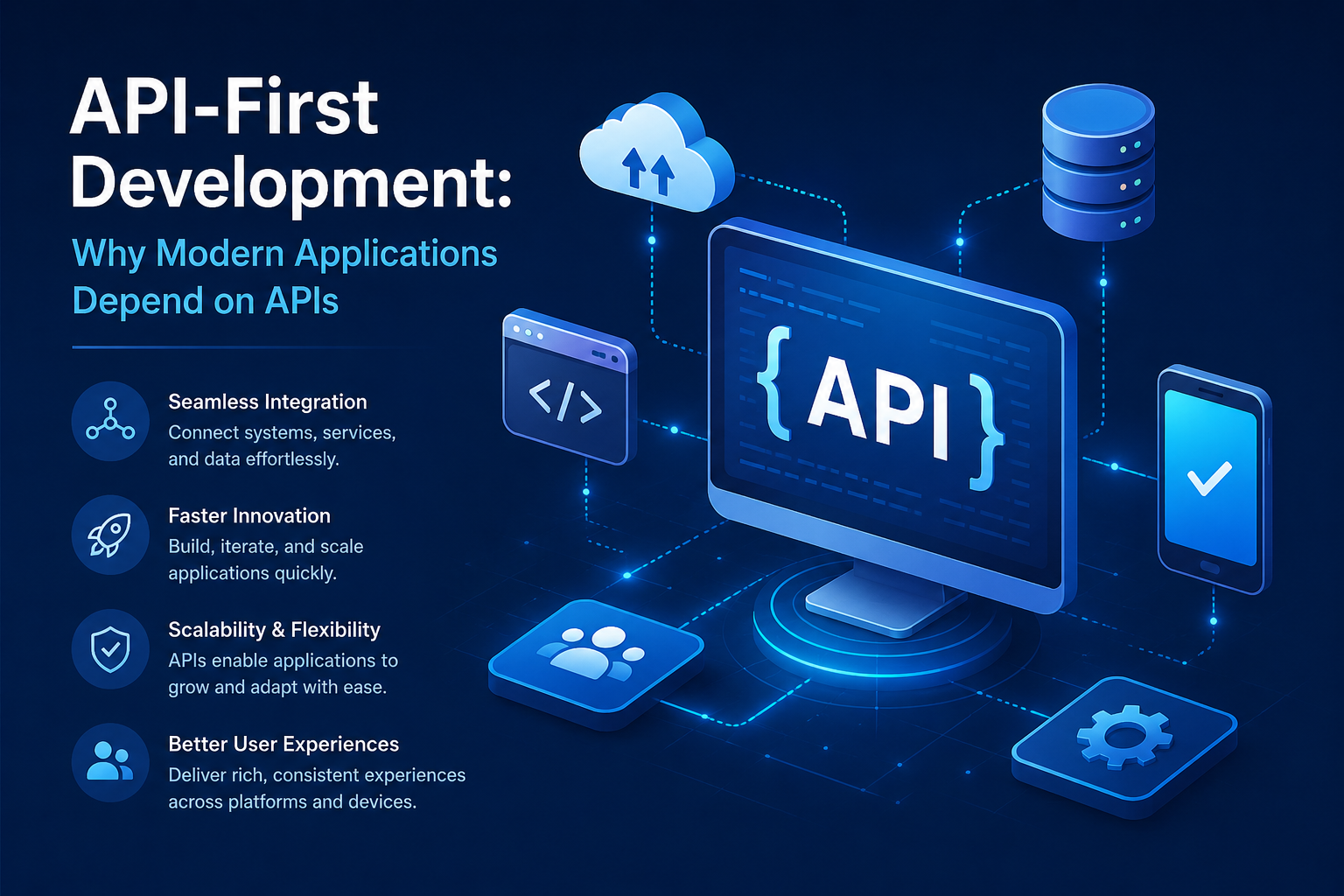
In today’s fast-paced digital landscape, the demand for efficient and scalable applications is at an all-time high. Businesses are continually looking for ways to enhance user experiences, streamline operations, and improve integration capabilities. One of the most effective strategies to achieve these goals is through API-first development. This blog will explore the significance of API-first development, its advantages, and how it shapes the future of web API development.
Understanding API-First Development
At its core, API-first development is a methodology that prioritizes the creation and design of APIs before the actual application development begins. This approach ensures that the APIs are robust, well-documented, and capable of supporting various functionalities. The API-first approach focuses on creating a seamless experience for developers and end-users alike, allowing for efficient application integration across multiple platforms.
The Shift Towards API-First Development
With the rise of cloud computing, microservices, and mobile applications, businesses are increasingly shifting towards an API-first mindset. This shift allows organizations to decouple their front-end and back-end systems, enabling faster development cycles and easier maintenance. By focusing on API design from the outset, developers can create more flexible and scalable applications that are better equipped to meet user needs.
The Benefits of API-First Development
1. Enhanced Collaboration
One of the most significant advantages of API-first development is improved collaboration between teams. When APIs are designed upfront, developers, product managers, and stakeholders can work together more efficiently. This collaborative environment fosters innovation and helps teams align their goals, leading to more successful project outcomes.
2. Faster Development Cycles
API-first development accelerates the overall development process. By designing APIs first, developers can work on different components of the application simultaneously. This parallel development approach reduces bottlenecks and allows businesses to launch their products faster, giving them a competitive edge in the market.
3. Better User Experience
With a focus on API design, developers can create more intuitive and user-friendly applications. Well-designed APIs enable smoother interactions between front-end and back-end systems, leading to a seamless user experience. This is particularly crucial in the Indian market, where consumers increasingly expect high-quality digital experiences.
4. Improved Flexibility and Scalability
API-first development allows businesses to adapt to changing market demands quickly. As new technologies emerge, organizations can integrate them into their applications without overhauling the entire system. This flexibility ensures that businesses remain relevant and competitive, even in a rapidly evolving landscape.
5. Cost Efficiency
Investing in API-first development can lead to significant cost savings in the long run. By reducing the time spent on development and minimizing the need for extensive testing, businesses can allocate resources more effectively. Moreover, the modular nature of APIs allows for easier updates and maintenance, reducing overall operational costs.
Implementing API-First Development
1. Define Your API Strategy
Before diving into web API development, it’s essential to define your API strategy. Determine the purpose of your APIs, the target audience, and the specific functionalities you want to offer. This foundational step will guide your development process and ensure that your APIs align with business objectives.
2. Design Your APIs with User Experience in Mind
When designing APIs, consider the end-users and how they will interact with your application. A well-structured API should be intuitive and easy to use. Utilize industry standards and best practices to create clear and comprehensive documentation, making it easier for developers to integrate your APIs into their applications.
3. Adopt a Collaborative Development Environment
Encourage collaboration among your development teams by using tools that facilitate communication and feedback. Implement version control systems and collaborative platforms to ensure that all team members are on the same page throughout the development process.
4. Test and Iterate
Thoroughly test your APIs to identify any potential issues or areas for improvement. Gather feedback from users and developers to refine your APIs continuously. The iterative process of testing and refining will help you create a more robust and efficient API.
5. Monitor and Maintain Your APIs
Once your APIs are live, it’s crucial to monitor their performance regularly. Use analytics tools to track usage patterns, identify bottlenecks, and address any issues promptly. Regular maintenance and updates will ensure that your APIs remain functional and relevant over time.
Real-World Applications of API-First Development
Many successful companies have adopted API-first development to enhance their applications and improve user experiences. Here are a few examples:
1. E-commerce Platforms
Leading e-commerce platforms leverage API-first development to integrate various payment gateways, shipping services, and third-party applications. This integration allows for a seamless shopping experience, enabling customers to make purchases effortlessly.
2. Financial Services
In the financial sector, API-first development enables banks and fintech companies to offer innovative services such as mobile banking, digital wallets, and investment platforms. By focusing on APIs, these companies can quickly adapt to changing regulations and customer needs.
3. Healthcare Applications
Healthcare providers use API-first development to integrate electronic health records, appointment scheduling, and telemedicine services. This integration improves patient care and streamlines administrative processes, resulting in better health outcomes.
FAQs About API-First Development
What is the difference between API-first and API-led development?
API-first development focuses on designing APIs before any application development, ensuring robust and well-documented APIs. API-led development, on the other hand, emphasizes using APIs as the primary means of integration between different services and applications.
Why is API design important?
API design is crucial because it directly impacts how developers will interact with your application. A well-designed API enhances usability, reduces development time, and ensures better integration with other systems, ultimately leading to a more successful application.
Can small businesses benefit from API-first development?
Absolutely! Small businesses can leverage API-first development to create scalable applications, improve collaboration, and reduce operational costs. By adopting this approach, they can compete more effectively in the digital landscape.
What tools are available for API design and development?
There are several tools available for API design and development, including Postman, Swagger, and Apigee. These tools assist in designing, testing, and documenting APIs, making the development process more efficient.
Conclusion
As businesses continue to evolve in the digital era, API-first development will play a pivotal role in shaping modern applications. By prioritizing API design and fostering collaboration, organizations can create flexible, scalable, and user-friendly applications that meet the demands of today’s market. If you’re looking to enhance your application development process, consider adopting an API-first approach and unlock the full potential of your digital transformation.
Call to Action
Ready to take your application development to the next level? Contact us today to learn more about our web API development services and how we can help you implement an API-first development strategy tailored to your business needs!




Leave a Comment