 Quality Management


















 IT Service Management


 Project Management


 Agile Management



 Web Development



 Cloud Computing
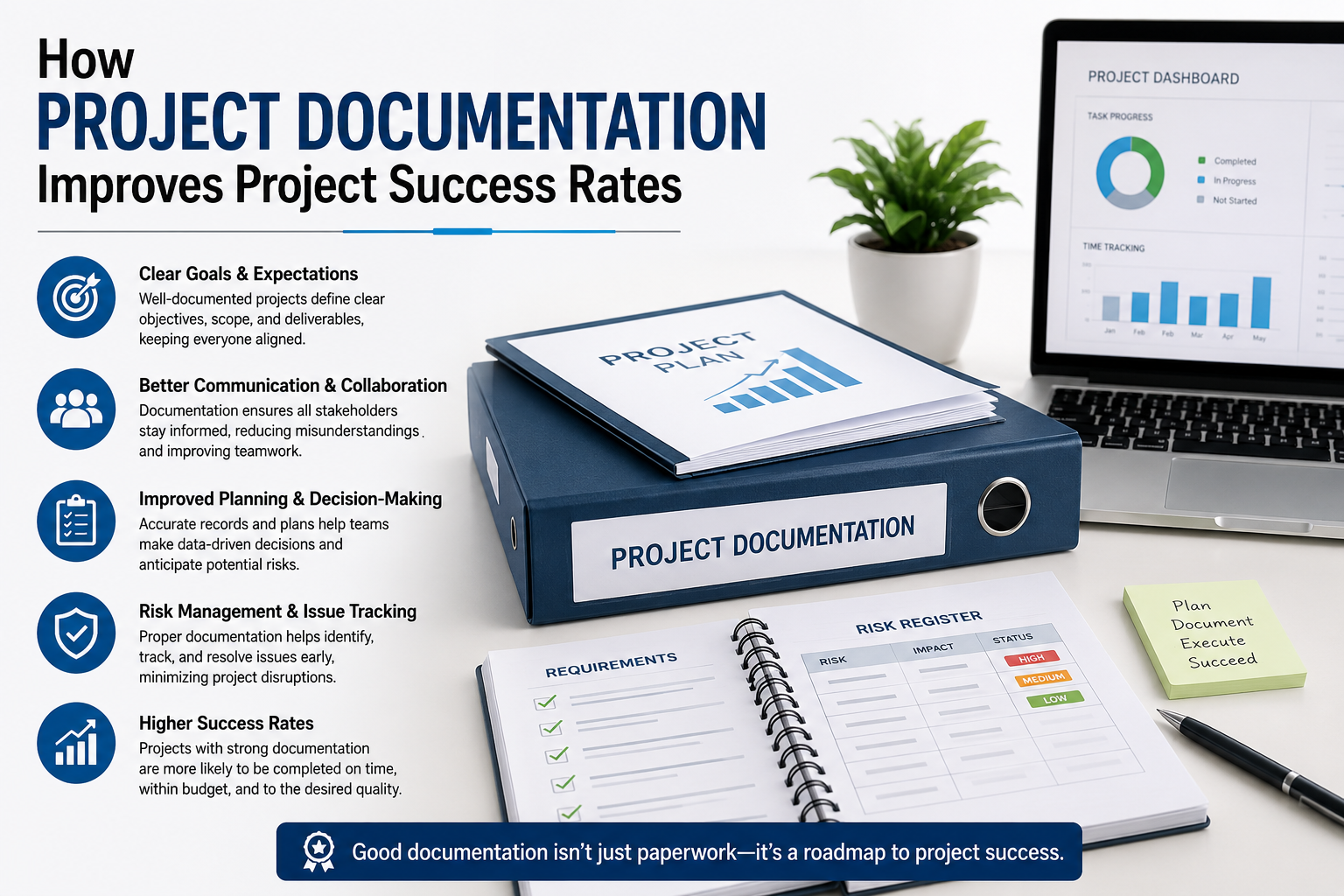
In the fast-paced world of project management, ensuring the success of a project is paramount. A key factor that can make or break a project is effective project documentation. By maintaining comprehensive project records, teams can enhance their chances of delivering projects on time and within budget. In this blog, we will explore the significance of project documentation, delve into best practices, and discuss how it plays a vital role in project governance and documentation management.
The Importance of Project Documentation
Project documentation refers to the collection of all the information, plans, and records related to a project. This includes everything from initial proposals and project plans to meeting minutes and final reports. The importance of project documentation cannot be overstated, as it serves several critical functions:
- Clarity and Communication: Well-documented projects ensure that all stakeholders are on the same page. Clear documentation minimizes misunderstandings and facilitates smoother communication.
- Accountability: When responsibilities are clearly defined through documentation, team members are more accountable for their tasks, leading to increased productivity.
- Knowledge Transfer: Documentation serves as a valuable resource for training new team members and for future projects. It captures lessons learned, making it easier for others to avoid previous mistakes.
- Risk Management: By keeping thorough records, teams can identify potential risks early and develop strategies to mitigate them, ultimately improving project success rates.
Best Practices for Project Documentation
Implementing project documentation best practices can significantly enhance the quality and effectiveness of your documentation efforts. Here are some key strategies to consider:
1. Define Documentation Standards
Establish clear guidelines for what needs to be documented, how it should be organized, and which formats to use. This standardization ensures consistency across projects and makes it easier for team members to find necessary information.
2. Use Collaborative Tools
Utilize collaborative tools and software that allow team members to update and access project records in real-time. Applications like Google Docs, Microsoft SharePoint, or project management tools like Asana can streamline documentation management.
3. Regularly Update Documentation
Documentation should be a living entity, evolving as the project progresses. Set milestones for reviewing and updating project records to ensure that they remain accurate and relevant.
4. Engage All Stakeholders
Encourage contributions from all team members and stakeholders in the documentation process. Diverse perspectives can enrich the documentation and provide insights that may have been overlooked.
5. Maintain a Central Repository
Organize all project documents in a centralized location. This not only ensures easy access but also enhances the security and integrity of project records.
How Project Documentation Enhances Project Governance
Project governance refers to the framework that defines the roles, responsibilities, and processes involved in managing a project. Effective project documentation is crucial for strong project governance in several ways:
- Transparency: Good documentation practices promote transparency within the project team and among stakeholders. Everyone involved can see the project's progress, decisions made, and any changes to the initial plan.
- Compliance: For many organizations, especially in regulated industries, maintaining proper documentation is necessary for compliance with legal and industry standards. Failure to adhere to these standards can lead to significant penalties.
- Decision-Making: Well-documented projects provide data and insights that support informed decision-making. Stakeholders can refer to documented analyses and recommendations when making critical project choices.
- Auditing and Evaluation: Comprehensive project records allow for easier auditing and evaluation. At the end of the project, teams can assess what worked, what didn’t, and how similar projects can be improved in the future.
Effective Documentation Management Strategies
To maximize the benefits of project documentation, effective documentation management strategies should be in place:
1. Categorize and Tag Documents
Organizing documents by category and using tags can make it easier to locate specific information quickly. This practice is especially useful for large projects with extensive documentation.
2. Implement Version Control
Keeping track of different versions of documents is essential to avoid confusion and ensure that all team members are working with the most current information. Version control systems can automate this process.
3. Schedule Regular Reviews
Set aside time for regular documentation reviews as part of the project timeline. This habit can help identify gaps in documentation and allow for timely updates.
4. Train Team Members
Ensure that all team members are trained in documentation practices and understand the importance of maintaining accurate project records. This training can foster a culture of documentation within the team.
Conclusion
In conclusion, effective project documentation is a cornerstone of successful project management. By implementing best practices and prioritizing documentation management, organizations can improve their project success rates significantly. Remember, the effort invested in documenting a project pays off in increased clarity, accountability, and better governance.
FAQs
1. What are the key components of project documentation?
The key components include project plans, status reports, meeting minutes, risk assessments, and final project reports, among others.
2. How often should project documentation be updated?
Documentation should be updated regularly, ideally at each project milestone, to ensure accuracy and relevance.
3. Why is documentation important for remote teams?
Documentation is crucial for remote teams as it provides a centralized source of information that can help bridge communication gaps and ensure everyone is aligned.
4. Can poor documentation affect project success?
Yes, poor documentation can lead to misunderstandings, miscommunication, and ultimately project failure. It is essential to prioritize effective documentation practices.
Call to Action
Are you ready to improve your project success rates through effective documentation? Start implementing these best practices today, and experience the difference in your project outcomes. For more insights on project management, subscribe to our newsletter or contact us for expert guidance!



Leave a Comment