 Quality Management



















 IT Service Management


 Project Management


 Agile Management



 Web Development



 Cloud Computing


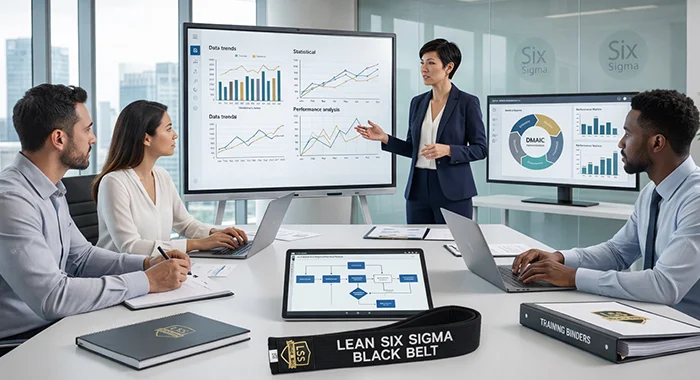
In today’s fast-paced business environment, the success of projects often hinges on the ability to create cross-functional teams. These teams, composed of members from various departments, not only foster project collaboration but also drive innovation and efficiency. If you’re looking to enhance your team management skills and improve project leadership, understanding how to build and manage these teams is essential. In this blog, we will explore effective strategies to create high-performing cross-functional project teams that lead to project success.
Understanding Cross-Functional Teams
Before diving into the steps to build these teams, let’s clarify what cross-functional teams are. These are groups that bring together individuals from different departments—such as marketing, finance, design, and operations—to work on a common project. The diversity in skills and perspectives often leads to more creative solutions and faster problem-solving.
Key Benefits of Cross-Functional Teams
Building cross-functional teams can significantly enhance your organization’s performance. Here are some key benefits:
- Diverse Perspectives: Different backgrounds and experiences lead to innovative solutions.
- Improved Communication: Team members learn to communicate effectively across departments.
- Faster Decision-Making: With various experts at the table, decisions can be made quickly.
- Enhanced Accountability: Members feel a sense of ownership towards the project, leading to higher motivation.
Steps to Build High-Performing Cross-Functional Teams
1. Define Clear Goals and Objectives
Every successful project collaboration begins with clear goals. Define what you aim to achieve with your cross-functional team. This not only provides direction but also helps in measuring success later on. Ensure that the goals are specific, measurable, achievable, relevant, and time-bound (SMART).
2. Select the Right Team Members
The effectiveness of your team heavily relies on the individuals you choose. Look for members who possess a mix of skills, experience, and a collaborative mindset. It’s essential to include individuals who are willing to work outside their comfort zones and contribute to the project’s success. Consider the following:
- Technical expertise relevant to the project.
- Strong communication skills.
- Ability to work collaboratively.
- Problem-solving capabilities.
3. Foster a Collaborative Environment
A collaborative environment is crucial for the success of cross-functional teams. Encourage open communication and create a culture where team members feel comfortable sharing their ideas and opinions. Regular team-building activities can also help strengthen relationships and trust among team members.
4. Establish Roles and Responsibilities
Clearly defined roles and responsibilities help avoid confusion and overlap. Each member should know their specific tasks and how these contribute to the overall project. This clarity not only enhances accountability but also streamlines team management.
5. Utilize Project Management Tools
In today’s digital world, leveraging technology is vital for effective project collaboration. Use project management tools like Trello, Asana, or Microsoft Teams to facilitate communication, track progress, and manage tasks. These tools can help in maintaining transparency and ensuring everyone is on the same page.
6. Encourage Continuous Feedback
Feedback is a cornerstone of effective team dynamics. Encourage team members to provide constructive feedback regularly. This practice not only helps in identifying areas for improvement but also fosters a culture of continuous learning. Additionally, celebrate successes, no matter how small, to keep morale high.
7. Promote Leadership and Ownership
Empower team members by promoting leadership and ownership within the group. Encourage them to take initiative and make decisions related to their areas of expertise. This empowerment can lead to increased motivation and a stronger commitment to the project’s goals.
8. Monitor Progress and Adapt
Regularly monitor the team’s progress towards goals. Use key performance indicators (KPIs) to measure success and identify any challenges early on. This adaptability is crucial in ensuring that the team remains on track and can pivot when necessary.
Challenges in Building Cross-Functional Teams
While the benefits of cross-functional teams are substantial, there are challenges to be mindful of:
- Conflicting Priorities: Different departments may have competing priorities that can affect collaboration.
- Communication Barriers: Language and cultural differences can sometimes hinder effective communication.
- Resistance to Change: Some team members may be resistant to new processes or ways of working.
Addressing these challenges proactively can help in ensuring the success of your cross-functional teams.
FAQs
What is the role of leadership in cross-functional teams?
Leadership plays a crucial role in setting the tone for collaboration, providing direction, and facilitating communication among team members. Strong leaders also help in resolving conflicts and keeping the team focused on their goals.
How can I improve communication in cross-functional teams?
Implement regular check-ins, use collaborative tools, and create an open environment where team members feel comfortable sharing their thoughts. Encouraging active listening is also key to improving communication.
What tools can help in managing cross-functional teams?
Project management tools like Trello, Asana, Microsoft Teams, and Slack can significantly enhance communication, task management, and overall project visibility.
How do I measure the success of a cross-functional team?
Success can be measured through the achievement of defined goals, team member satisfaction, and the overall impact of the project on the organization. Regular feedback and performance metrics can provide insight into the team’s effectiveness.
Conclusion
Building high-performing cross-functional teams requires a thoughtful approach to team management and project leadership. By defining clear goals, selecting the right team members, and fostering a collaborative environment, you can significantly enhance project success. Remember that the journey of building an effective team is ongoing—continuously adapt and improve your strategies for the best results.
If you're ready to take your project management skills to the next level, start implementing these strategies today! For more insights and tips on effective team management and project success, subscribe to our newsletter and stay updated!



Leave a Comment