
 Quality Management



















 IT Service Management



 Project Management



 Agile Management



 Web Development



 Cloud Computing


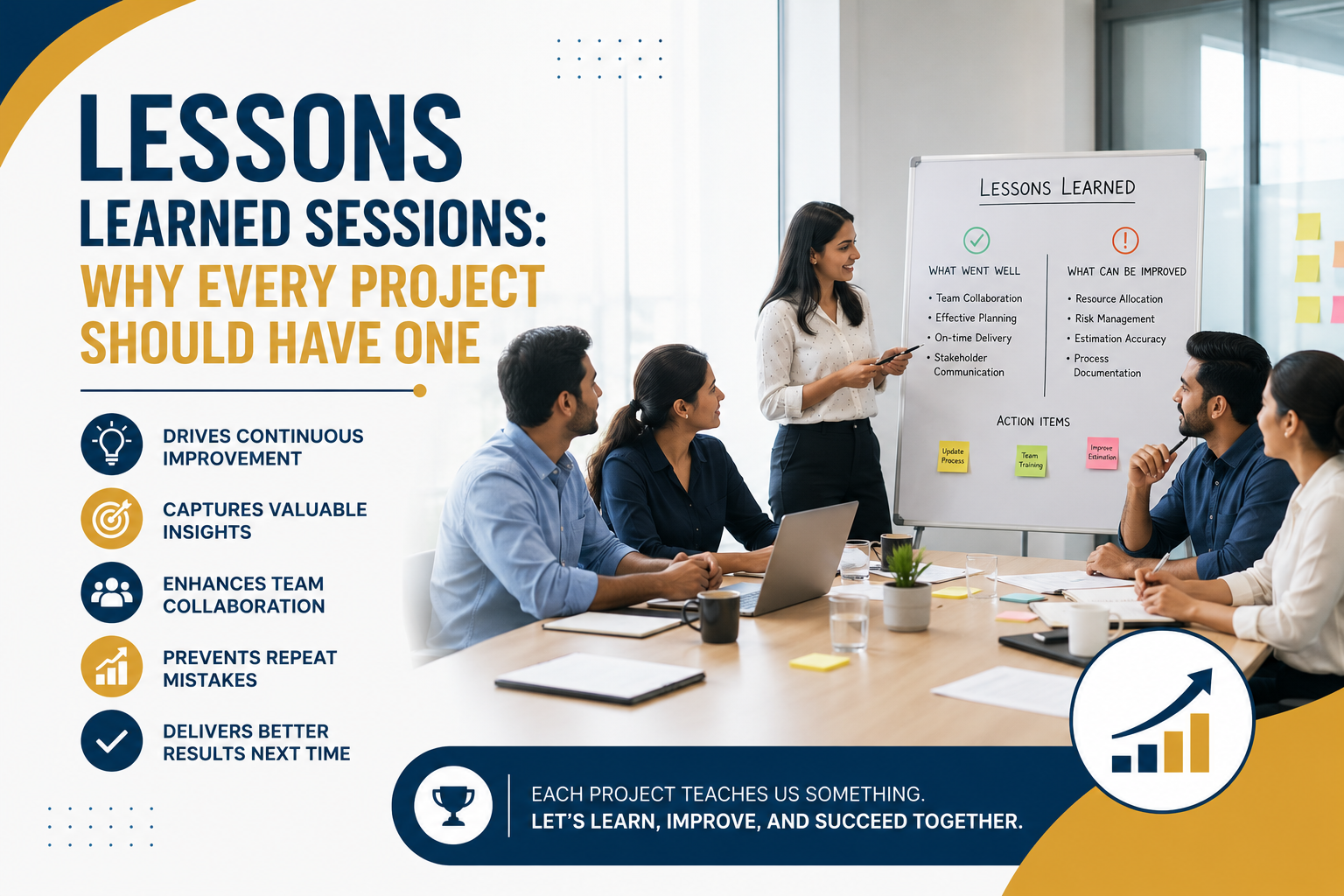
In the world of project management, the completion of a project often brings a sense of relief and accomplishment. However, it also marks a crucial phase where valuable insights can be gathered for future endeavors. This is where lessons learned sessions play an essential role. These sessions are designed to capture the knowledge gained throughout the project lifecycle and ensure that it is documented and utilized for continuous improvement projects.
Understanding Lessons Learned in Project Management
At its core, a lessons learned session in project management is a structured meeting held at the end of a project or a significant phase of a project. The primary objective is to reflect on what went well, what didn’t, and how processes can be improved in future projects. By conducting these sessions, organizations can build a robust knowledge management system that contributes to more efficient project execution.
The Importance of Lessons Learned Sessions
Enhancing Project Closure
Project closure is not just about delivering the final product; it’s also about ensuring that the team reflects on the journey taken. Lessons learned sessions provide a platform for team members to express their views on the project lifecycle. This reflection helps in identifying strengths and weaknesses, ensuring that successful strategies are replicated while failures are avoided. Ultimately, it contributes to seamless project closure.
Fostering a Culture of Continuous Improvement
In today’s competitive landscape, organizations must strive for continuous improvement. Lessons learned sessions allow project teams to analyze the project’s successes and challenges critically. By documenting these insights, teams can develop best practices that not only enhance their current processes but also inform future projects. This culture of learning and adaptation is vital in keeping organizations agile and innovative.
Improving Communication and Team Dynamics
These sessions serve as a platform for open communication among team members. Sharing experiences and discussing outcomes fosters a sense of collective ownership. This open dialogue can significantly enhance team dynamics, leading to better collaboration in future projects. The insights gained from different perspectives can help in building a more cohesive team moving forward.
How to Conduct Effective Lessons Learned Sessions
1. Schedule Sessions Regularly
It’s essential to incorporate lessons learned sessions as part of the project timeline, ideally right after significant milestones and at project closure. This regularity ensures that insights are fresh and relevant.
2. Create a Safe Space for Feedback
Encourage all participants to share their thoughts openly. Emphasize that the objective is to learn and improve rather than assigning blame. A positive environment will yield more honest and productive discussions.
3. Document Everything
Ensure that all insights, suggestions, and feedback are documented thoroughly. This documentation should be easily accessible for future reference, making it a valuable resource for knowledge management.
4. Focus on Key Areas
Guide discussions toward critical areas such as project planning, execution, monitoring, and closure. This focus will help in identifying specific lessons that can be applied to future projects.
5. Follow Up on Action Items
After the sessions, it’s vital to assign action items based on the insights gained. Ensure that these action items are tracked and followed up on in future projects to ensure continuous improvement.
Common Challenges in Lessons Learned Sessions
While lessons learned sessions are incredibly beneficial, they are not without challenges. Here are some common obstacles and how to overcome them:
Resistance to Feedback
Some team members may resist giving or receiving feedback due to fear of criticism. To combat this, reinforce the idea that the goal is constructive improvement and that all voices are valued.
Time Constraints
In fast-paced environments, finding time for lessons learned sessions can be challenging. To mitigate this, integrate these sessions into regular project meetings or allocate dedicated time during project planning.
Lack of Focus
Discussions can easily veer off-topic, leading to unproductive sessions. Establish a clear agenda ahead of time and appoint a facilitator to keep the conversation focused.
Conclusion
Incorporating lessons learned sessions into every project is not just a best practice; it is a strategic move that can significantly enhance an organization’s project management approach. By emphasizing knowledge management and fostering a culture of continuous improvement, organizations can ensure that they learn from every experience, leading to better outcomes in future projects.
FAQs
What is the primary goal of lessons learned sessions?
The primary goal is to reflect on the project’s successes and challenges to capture insights that can inform future projects and improve processes.
When should lessons learned sessions be conducted?
These sessions should ideally be held at the end of a project or significant milestones to ensure that insights are captured while they are still fresh.
Who should participate in lessons learned sessions?
All key stakeholders involved in the project should participate, including project managers, team members, and sometimes even clients or external stakeholders.
How can organizations ensure that lessons learned are implemented?
By documenting insights, assigning action items, and following up on these items in future projects, organizations can ensure that lessons learned are not just noted but actively applied.
Call to Action
If you’re looking to enhance your project management practices and foster a culture of continuous improvement, start implementing lessons learned sessions today! Share your experiences and insights with your team and watch your projects become more efficient and successful. For more information on effective project management strategies, subscribe to our newsletter!



Leave a Comment