
 Quality Management



















 IT Service Management



 Project Management



 Agile Management




 Web Development



 Cloud Computing


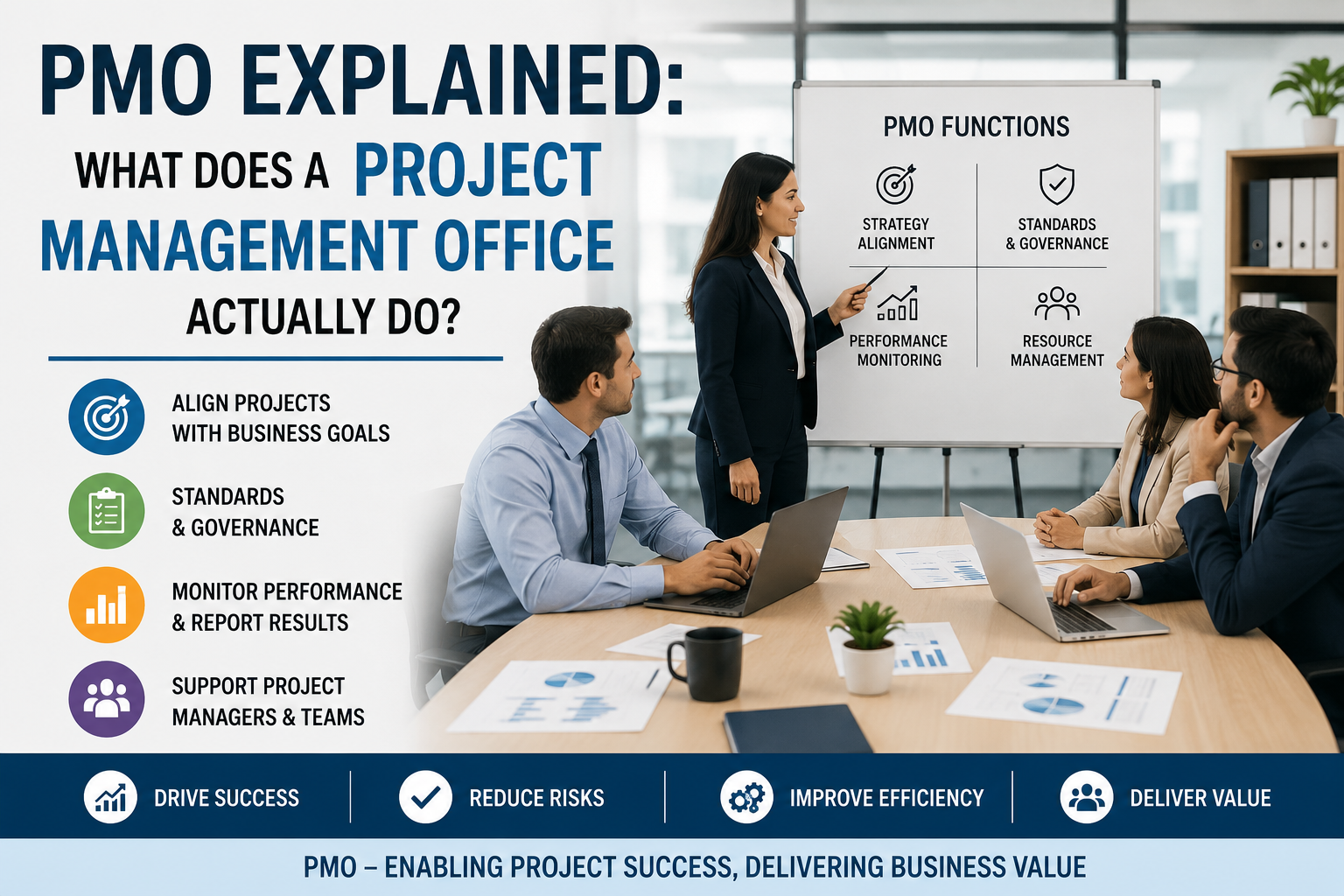
In today's fast-paced business environment, organizations are constantly striving for efficiency and effectiveness in their project management processes. One of the key players in achieving this is the Project Management Office (PMO). But what exactly does a PMO do? In this blog, we will delve deep into the roles, benefits, and frameworks of a PMO, and how it can significantly enhance project governance within an organization.
What is a Project Management Office (PMO)?
A Project Management Office (PMO) is a centralized unit within an organization that standardizes project-related governance processes and facilitates the sharing of resources, methodologies, tools, and techniques. The PMO acts as a bridge between project managers, stakeholders, and the organization's strategic goals, ensuring that projects align with the overall business strategy.
Understanding PMO Roles
The roles of a PMO can vary dramatically based on the organization’s size, structure, and strategic objectives. However, here are some common PMO roles found in many organizations:
1. Governance and Compliance
One of the primary responsibilities of a PMO is to establish and maintain project governance frameworks. This includes defining project management standards, ensuring compliance with organizational policies, and facilitating audits to ensure that projects are executed as planned.
2. Resource Management
PMOs play a crucial role in resource allocation, ensuring that project managers have access to the right resources at the right time. This includes personnel, budget, and tools necessary for project completion.
3. Training and Development
In many organizations, the PMO is responsible for the training and development of project managers and their teams. They provide workshops, mentorship, and access to best practices and methodologies, thus enhancing the skill set of the project teams.
4. Project Tracking and Reporting
PMOs are responsible for tracking project performance and progress. They collect and analyze data from various projects, generating reports that provide insights into project health, budget adherence, and timeline compliance. This data is crucial for informing stakeholders and making strategic decisions.
5. Strategic Alignment
A well-functioning PMO ensures that all projects align with the organization's strategic goals. They facilitate the selection and prioritization of projects based on their alignment with business objectives, thus maximizing the return on investment.
Benefits of a PMO
Implementing a PMO can yield numerous PMO benefits that enhance an organization’s ability to manage projects effectively. Here are some key advantages:
1. Improved Project Success Rates
By standardizing project management practices and providing support, PMOs can significantly improve the success rates of projects, ensuring they are completed on time and within budget.
2. Enhanced Communication
PMOs facilitate better communication among stakeholders, project teams, and executive management. This increased transparency helps in addressing concerns early on and fosters a collaborative environment.
3. Better Risk Management
With a PMO in place, organizations can identify potential risks early in the project lifecycle. The PMO's oversight allows for the development of risk mitigation strategies, reducing the likelihood of project failure.
4. Resource Optimization
Through effective resource management, PMOs help organizations make the best use of their available resources, minimizing waste and ensuring that high-priority projects receive the attention they need.
5. Strategic Focus
By aligning projects with organizational strategy, PMOs ensure that resources are directed toward initiatives that drive business value, enabling better strategic outcomes.
Implementing a PMO Framework
To maximize the effectiveness of a Project Management Office, organizations should implement a robust PMO framework. Here are some essential components to consider:
1. Define the PMO's Purpose
Clearly outline the PMO's objectives and how they align with the organization's strategic goals. This will guide the PMO's activities and ensure stakeholder buy-in.
2. Establish Governance Structures
Develop a governance structure that defines roles, responsibilities, and processes. This structure should facilitate decision-making and accountability across projects.
3. Standardize Processes and Tools
Implement standardized project management processes and tools to ensure consistency across projects. This can include project charters, templates, and reporting mechanisms.
4. Foster a Project Management Culture
Encourage a culture that values project management within the organization. This can be achieved through training programs, recognition of project success, and promoting collaboration.
5. Measure Performance
Establish key performance indicators (KPIs) to measure the PMO's effectiveness. Regularly review these metrics to identify areas for improvement and showcase the PMO's value to stakeholders.
FAQs About PMOs
1. What types of PMOs exist?
PMOs can be categorized into three main types: supportive, controlling, and directive. Supportive PMOs provide guidelines and support; controlling PMOs enforce compliance and standards; and directive PMOs manage projects directly.
2. How do I know if my organization needs a PMO?
If your organization struggles with project delays, budget overruns, or misalignment with strategic goals, it may benefit from establishing a PMO.
3. What skills are necessary for PMO staff?
PMO staff should possess strong leadership, communication, and organizational skills, along with a solid understanding of project management methodologies and tools.
4. How can a PMO contribute to digital transformation?
A PMO can play a vital role in managing projects related to digital transformation by ensuring that they align with business objectives, are adequately resourced, and follow best practices.
5. What challenges do PMOs face?
Common challenges include resistance to change, lack of executive support, and difficulties in measuring the PMO's impact on project success.
Conclusion
In conclusion, a Project Management Office (PMO) can be a powerful asset for organizations looking to improve their project management capabilities. By understanding the roles and benefits of a PMO, as well as implementing a robust framework, businesses can enhance project governance, optimize resources, and ultimately achieve strategic goals.
Call to Action
If you're considering establishing a PMO or looking to enhance your existing one, reach out to our team of experts today! Let us help you unlock the full potential of project management in your organization and drive successful outcomes.



Leave a Comment