
 Quality Management



















 IT Service Management



 Project Management



 Agile Management



 Web Development



 Cloud Computing

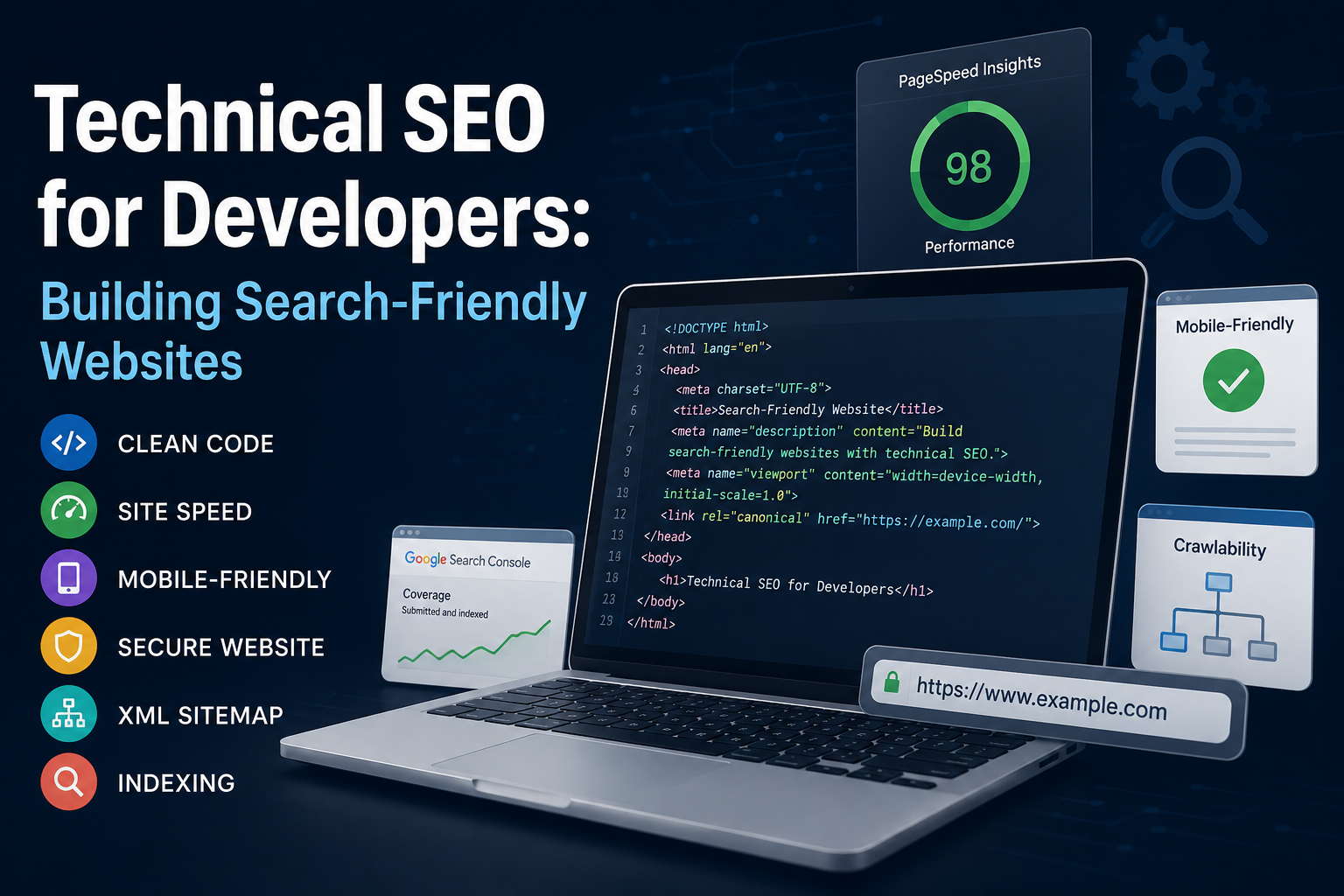
In today's digital landscape, it's not enough to just create an appealing website; you need to ensure that it is search-engine friendly. This is where technical SEO comes into play. For developers, understanding the nuances of technical SEO is essential to create websites that are not only user-friendly but also optimized for search engines. In this blog, we will dive deep into the principles of technical SEO, focusing on website crawlability, schema markup, Core Web Vitals, and more.
What is Technical SEO?
Technical SEO refers to the optimization of your website's infrastructure and backend to help search engines crawl, index, and rank your site more effectively. It involves various practices that ensure your website meets the technical requirements of modern search engines while improving user experience. As a developer, your role in implementing technical SEO can significantly impact your website's visibility in search engine results.
Why is Technical SEO Important for Developers?
Technical SEO is crucial for developers for several reasons:
- Improved Crawlability: Ensuring that search engines can effectively crawl your website is the first step in making it visible to users.
- Better Indexing: A well-structured website is more likely to be indexed correctly by search engines, which can lead to higher rankings.
- Enhanced User Experience: Technical SEO practices often improve website performance, leading to a better user experience and lower bounce rates.
Key Aspects of Technical SEO
1. Website Crawlability
Website crawlability refers to how easily search engines can access and navigate your site. If your website is difficult to crawl, it can negatively impact your SEO efforts. Here are some practices to enhance crawlability:
- XML Sitemap: Create and submit an XML sitemap to search engines. This helps them understand the structure of your website and locate all your pages.
- Robots.txt File: Use a robots.txt file to instruct search engines on which pages to crawl and which to avoid.
- Internal Linking: Ensure that your internal linking structure is logical and helps search engines navigate your site effectively.
- Fix Broken Links: Regularly check for and fix broken links that can hinder crawlability.
2. Schema Markup
Schema markup is a form of microdata that makes it easier for search engines to understand the content of your website. By adding schema markup, you can enhance your search listings with rich snippets, which can lead to higher click-through rates. Here’s how to implement schema markup:
- Choose the Right Schema Type: Identify the most relevant schema type for your content, such as articles, products, or events.
- Use Structured Data Testing Tool: Validate your schema markup using Google’s Structured Data Testing Tool to ensure it is correctly implemented.
- JSON-LD Format: Implement schema markup in JSON-LD format, as recommended by Google for its simplicity and ease of use.
3. Core Web Vitals
Core Web Vitals are a set of metrics that gauge the user experience on your website. These metrics focus on three key areas: loading performance, interactivity, and visual stability. As a developer, here’s how to optimize for Core Web Vitals:
- Largest Contentful Paint (LCP): Aim for an LCP of less than 2.5 seconds by optimizing images, leveraging browser caching, and reducing server response times.
- First Input Delay (FID): Ensure that your site is responsive and interactive by minimizing JavaScript execution time.
- Cumulative Layout Shift (CLS): Maintain visual stability by reserving space for images and ads, preventing unexpected layout shifts.
SEO Tools and Resources for Developers
To implement technical SEO effectively, developers can leverage various tools and resources:
- Google Search Console: Monitor website performance, crawl errors, and indexation status.
- PageSpeed Insights: Analyze your website's performance and get suggestions for improving loading speed.
- Screaming Frog SEO Spider: Conduct comprehensive site audits to identify technical issues.
- GTmetrix: Evaluate your website’s speed and performance metrics.
Best Practices for Technical SEO
To ensure your website is search-friendly, consider these best practices:
- Mobile Optimization: With mobile-first indexing, ensure your website is fully optimized for mobile devices.
- HTTPS Protocol: Secure your website with HTTPS to enhance user trust and improve rankings.
- Optimize URLs: Keep URLs short, descriptive, and include relevant keywords for better SEO.
- Regular Audits: Conduct regular technical SEO audits to identify and fix issues proactively.
Conclusion
Technical SEO is an integral part of creating a search-friendly website. As developers, it is essential to understand and implement best practices for website crawlability, schema markup, and Core Web Vitals to boost your website’s performance and ranking. By focusing on these aspects, you can create a robust online presence that not only attracts visitors but also keeps them engaged.
FAQs about Technical SEO
What is the difference between technical SEO and on-page SEO?
Technical SEO focuses on the backend and infrastructure of a website, ensuring it is crawlable and indexable. On-page SEO, on the other hand, deals with optimizing content and elements on the page itself to improve visibility in search engines.
How often should I conduct a technical SEO audit?
It is recommended to conduct a technical SEO audit at least once every six months or whenever you make significant changes to your website.
Does schema markup guarantee better rankings?
While schema markup does not guarantee higher rankings, it can enhance the visibility of your search listings and improve click-through rates, which can indirectly influence rankings.
Call to Action
Ready to enhance your website's visibility with effective technical SEO? Start implementing these practices today, and watch your website climb the search engine rankings. If you need assistance or have questions regarding technical SEO, feel free to reach out to us for expert guidance!




Leave a Comment