
 Quality Management



















 IT Service Management



 Project Management



 Agile Management




 Web Development



 Cloud Computing


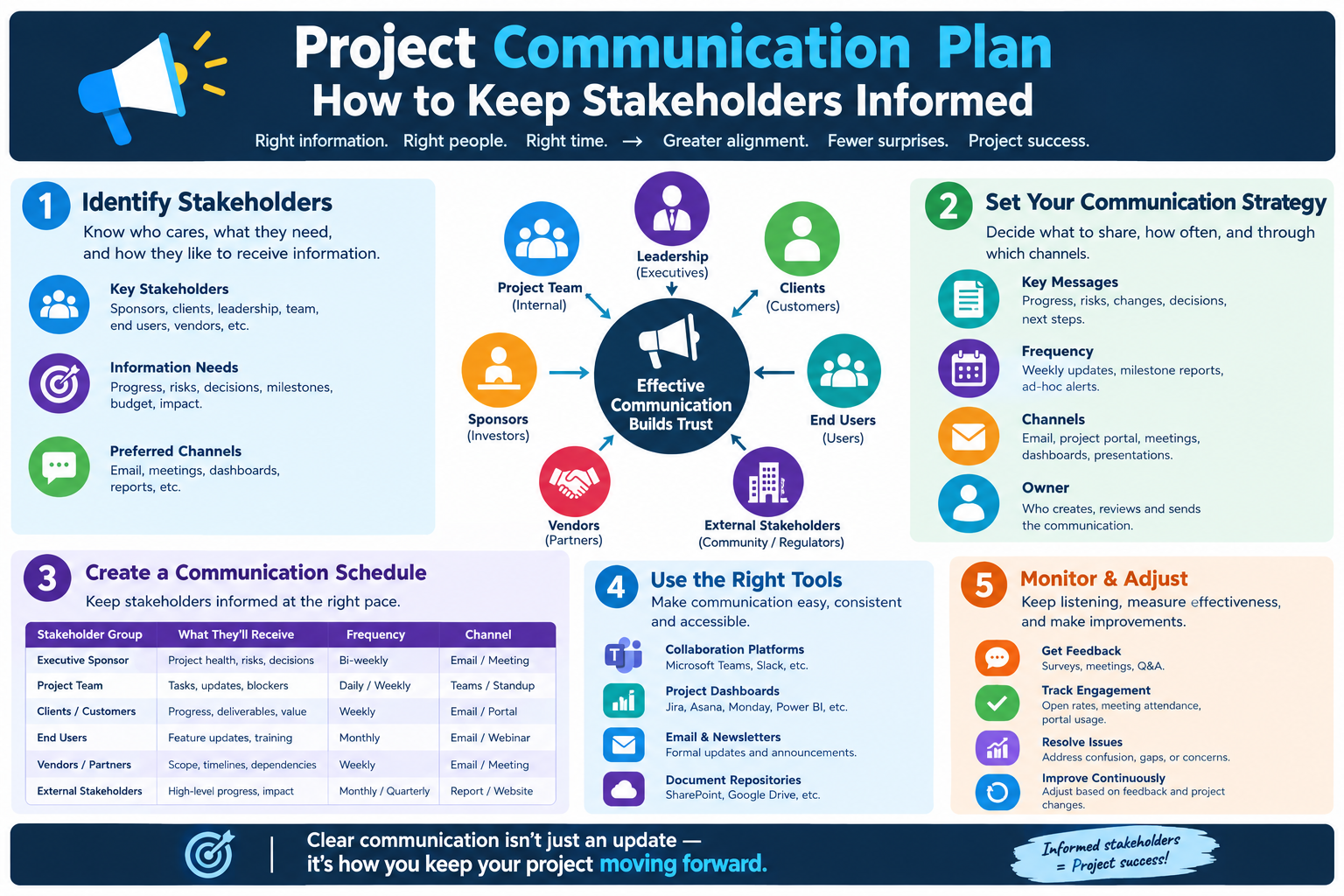
In the dynamic world of project management, effective communication is not just important; it's vital. A well-structured project communication plan can determine the success or failure of a project. For project managers in India, understanding how to engage and inform stakeholders is crucial. This blog will delve into the essentials of project communication management, providing insights on how to maintain effective stakeholder communication and streamline project reporting.
Understanding the Importance of a Project Communication Plan
A project communication plan serves as a roadmap that outlines how information will be shared throughout the project lifecycle. It helps ensure that all stakeholders are kept in the loop and can contribute effectively. Here are some key reasons why a communication plan is essential:
- Clarity: It provides clear guidelines on communication methods, frequency, and channels.
- Stakeholder Engagement: Keeps stakeholders informed and engaged, ensuring their input is considered.
- Risk Management: Helps identify potential communication barriers and mitigates risks associated with misunderstandings.
- Efficiency: Streamlines the information flow, making project management communication more efficient.
Components of an Effective Project Communication Plan
Creating a robust project communication plan involves several critical components:
1. Identify Stakeholders
The first step in stakeholder communication is identifying all relevant parties. This includes project team members, clients, suppliers, and any other entities impacted by the project. Understanding their interests and needs will guide your communication strategy.
2. Define Communication Goals
Clearly outline what you aim to achieve with your communication. Goals may include improving transparency, ensuring timely updates, or fostering collaboration. Defining these goals will help tailor your messages effectively.
3. Choose Communication Channels
Select the most appropriate channels for communication. Options may include emails, meetings, project management tools, or social media. Consider the preferences of your stakeholders and choose channels that suit their needs.
4. Establish Frequency of Communication
Determine how often you will communicate with stakeholders. This could range from daily updates for team members to monthly reports for clients. Consistency is key to maintaining engagement.
5. Create a Project Reporting Template
Having a standardized template for project reporting can simplify the process of sharing information. This should include project status, milestones achieved, upcoming tasks, and any issues that need addressing.
6. Responsibilities and Roles
Assign roles related to communication within the project team. Designate a point of contact for stakeholders to ensure that communication is directed appropriately. This helps eliminate confusion and enhances accountability.
Implementing Your Project Communication Plan
Once your project communication plan is developed, it’s time to put it into action. Here’s how:
1. Kickoff Meeting
Start with a kickoff meeting to present the communication plan to all stakeholders. This sets expectations and allows for immediate feedback. Ensure everyone understands their roles and the communication channels in place.
2. Regular Updates
Keep stakeholders informed with regular updates. Use a mix of formal reports and informal check-ins to maintain engagement. This could be through weekly or bi-weekly meetings, depending on the project’s complexity.
3. Encourage Feedback
Communication should be a two-way street. Encourage stakeholders to provide feedback on the communication process. This can help identify areas for improvement and ensure that everyone feels heard.
4. Monitor and Adjust
Continuous monitoring of the communication plan is essential. Be willing to adjust your approach based on stakeholder feedback and project developments. Flexibility is key to effective project management communication.
Challenges in Project Communication Management
While a well-structured project communication plan can greatly enhance communication, challenges may arise:
1. Cultural Differences
In a diverse country like India, cultural differences can impact communication styles. Be mindful of these differences and adapt your communication approach accordingly.
2. Information Overload
Providing too much information can overwhelm stakeholders. Aim for clarity and conciseness in your messages. Focus on key points and actionable items.
3. Resistance to Change
Some stakeholders may resist new communication methods or tools. Ensure that you provide adequate training and support to ease the transition.
Best Practices for Effective Stakeholder Communication
To ensure your project communication management is effective, consider the following best practices:
- Be Transparent: Share both successes and challenges openly to build trust.
- Use Visuals: Incorporate charts, graphs, and visuals in your reports to make data more digestible.
- Personalize Communication: Tailor messages to the specific interests and concerns of different stakeholder groups.
- Follow Up: After meetings or reports, follow up with stakeholders to address any questions or concerns.
FAQs About Project Communication Plans
1. What is a project communication plan?
A project communication plan is a document that outlines how information will be communicated to stakeholders throughout the project. It includes details on communication methods, frequency, and responsibilities.
2. Why is stakeholder communication important?
Effective stakeholder communication ensures that all parties are informed, engaged, and able to contribute to the project’s success. It helps prevent misunderstandings and fosters collaboration.
3. How often should I communicate with stakeholders?
The frequency of communication depends on the project’s complexity and stakeholders’ needs. Regular updates are crucial, but the specific timing can vary from daily to monthly.
4. What should be included in project reporting?
Project reporting should include project status, milestones achieved, upcoming tasks, challenges faced, and any changes to the project plan. A standardized template can help maintain consistency.
Conclusion
In conclusion, a well-executed project communication plan is essential for keeping stakeholders informed and engaged. By implementing the strategies discussed in this blog, you can enhance project communication management and contribute to the overall success of your projects. Remember, communication is not just about sharing information; it’s about building relationships and fostering collaboration.
If you have any questions or need assistance in developing a tailored project communication plan for your project, feel free to reach out to us. Let's work together to ensure your project succeeds through effective communication!
Call to Action: Contact us today for a free consultation on optimizing your project communication strategies!





Leave a Comment