
 Quality Management



















 IT Service Management



 Project Management



 Agile Management




 Web Development



 Cloud Computing


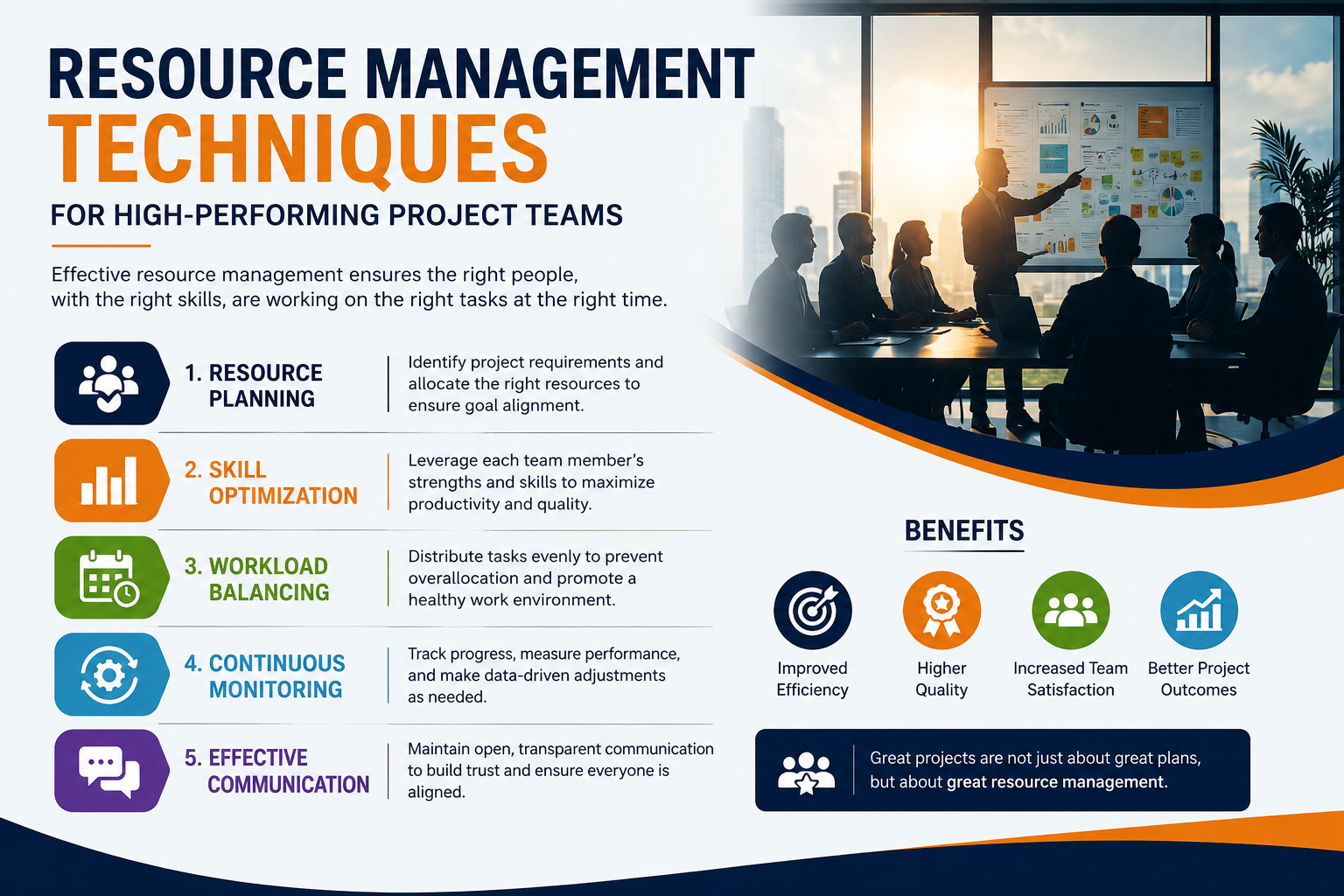
In the fast-paced world of project management, effective project resource management is crucial for ensuring that teams operate at peak efficiency. In India, where diverse teams often work on complex projects, mastering the art of resource allocation, capacity planning, and project scheduling can make all the difference in achieving project success. This article delves into essential resource management techniques that can empower high-performing project teams.
Understanding Project Resource Management
Project resource management encompasses a wide range of activities aimed at maximizing the efficiency of resources—be it human, financial, or material. It involves planning, allocating, and managing resources in a way that aligns with project goals. For project managers in India, understanding the nuances of resource management can lead to better project outcomes and team satisfaction.
The Importance of Resource Allocation
Resource allocation is a critical component of project management. It involves distributing available resources among various tasks to ensure that project objectives are met without overloading team members. Here are some effective strategies for optimizing resource allocation:
1. Assessing Resource Availability
Before allocating resources, it's essential to assess their availability. This includes understanding the skills and workload of team members, as well as the availability of materials and budget. Tools like Gantt charts or resource management software can help visualize the allocation process.
2. Prioritizing Tasks
Not all tasks are created equal. Prioritizing tasks based on their impact on project goals allows project managers to allocate resources where they are needed most. Techniques such as the Eisenhower Matrix can help in identifying urgent and important tasks.
3. Flexibility in Resource Allocation
Resource needs can change as a project progresses. High-performing teams must remain flexible, allowing for adjustments in resource allocation as new challenges arise. Regular check-ins with team members can help identify when resources need to be reallocated.
Effective Capacity Planning
Capacity planning is about ensuring that a project team has the right amount of resources to meet project demands. Here’s how to implement effective capacity planning:
1. Forecasting Resource Needs
Understanding future resource requirements is essential for capacity planning. This can be achieved by analyzing historical data and current resource usage. Using project management software can aid in forecasting and visualizing resource needs over time.
2. Balancing Supply and Demand
High-performing teams must balance the supply of resources with the demand of project tasks. This involves understanding the skills and capabilities of team members and ensuring that they are utilized effectively. Regularly updating skills inventories can assist in this process.
3. Incorporating Buffer Resources
Having buffer resources can be a lifesaver during unexpected project challenges. By setting aside a portion of resources for unforeseen circumstances, project managers can ensure that the team remains on track even when surprises arise.
Optimizing Project Scheduling
Effective project scheduling is a key aspect of project resource management. A well-structured schedule not only outlines what needs to be done but also when and by whom. Here are some techniques to optimize scheduling:
1. Utilizing Project Management Tools
Tools like Microsoft Project, Trello, or Asana can significantly streamline project scheduling. These tools allow project managers to create timelines, set milestones, and visualize the progress of tasks, ensuring that resources are allocated appropriately throughout the project lifecycle.
2. Implementing Agile Methodologies
Adopting agile methodologies can enhance project scheduling flexibility. Agile focuses on iterative progress, allowing teams to quickly adapt to changes and reallocate resources as needed. This can lead to improved efficiency and better team morale.
3. Setting Realistic Deadlines
One of the most common pitfalls in project scheduling is setting unrealistic deadlines. It’s important to consider the workload of team members and the complexity of tasks when establishing timelines. Involving the team in the scheduling process can lead to more accurate deadlines and greater accountability.
Fostering Team Collaboration and Communication
For high-performing project teams, effective communication and collaboration are as vital as resource management techniques. Here’s how to foster a collaborative environment:
1. Regular Team Meetings
Holding regular team meetings can keep everyone on the same page. These meetings provide an opportunity to discuss progress, address challenges, and reallocate resources as necessary. They also promote transparency and accountability within the team.
2. Encouraging Feedback
Creating a culture where team members feel comfortable providing feedback can lead to continuous improvement in resource management practices. Encouraging open dialogue about workloads and resource needs can help identify issues before they escalate.
3. Using Collaboration Tools
Tools like Slack, Microsoft Teams, or Zoom facilitate communication among team members, especially in a remote work environment. These tools help maintain connectivity and ensure that all team members are informed and engaged.
Measuring and Evaluating Resource Management Performance
To continuously improve resource management practices, it’s essential to measure and evaluate performance. Here are some key metrics to consider:
1. Resource Utilization Rate
This metric measures the percentage of time resources are actively working on project tasks compared to their total available time. A high utilization rate indicates effective resource allocation, while a low rate may signal overstaffing or inefficiencies.
2. Project Completion Rate
Evaluating the rate at which projects are completed on time and within budget provides insights into the effectiveness of resource management strategies. Analyzing successful projects can reveal best practices that can be applied to future projects.
3. Team Satisfaction
Team satisfaction surveys can provide valuable feedback on how team members feel about resource allocation and workload. A satisfied team is often more productive and engaged, leading to better project outcomes.
Frequently Asked Questions (FAQs)
1. What is project resource management?
Project resource management is the process of planning, allocating, and managing resources in a project to ensure that objectives are met efficiently and effectively.
2. Why is resource allocation important?
Resource allocation is crucial because it ensures that resources are distributed in a way that maximizes efficiency and aligns with project priorities, preventing resource shortages or overloading team members.
3. What is capacity planning in project management?
Capacity planning involves forecasting the resources needed for a project and ensuring that there are enough resources available to meet project demands without delays.
4. How can I improve project scheduling?
Improving project scheduling can be achieved by utilizing project management tools, implementing agile methodologies, and setting realistic deadlines based on team input.
5. How do I measure resource management performance?
Resource management performance can be measured using metrics such as resource utilization rate, project completion rate, and team satisfaction surveys.
Conclusion
In conclusion, mastering project resource management is essential for building high-performing project teams in India. By focusing on strategic resource allocation, effective capacity planning, and optimized project scheduling, project managers can enhance team efficiency and achieve successful project outcomes. Embrace these techniques and watch your project teams thrive.
If you’re ready to take your project management skills to the next level, consider enrolling in a specialized training program or workshop today. Enhance your expertise and lead your teams to success!




Leave a Comment