
 Quality Management



















 IT Service Management



 Project Management


 Agile Management



 Web Development


 Cloud Computing
In today’s rapidly evolving tech landscape, businesses are constantly seeking efficient ways to enhance their operations and deliver superior customer experiences. One of the most transformative trends in recent years is the emergence of cloud-native applications. But what exactly are these applications, and how can they benefit your business? This article will delve deep into the world of cloud-native architecture, explore the significance of microservices, and discuss how cloud development can lead to scalable applications that drive business growth.
What are Cloud-Native Applications?
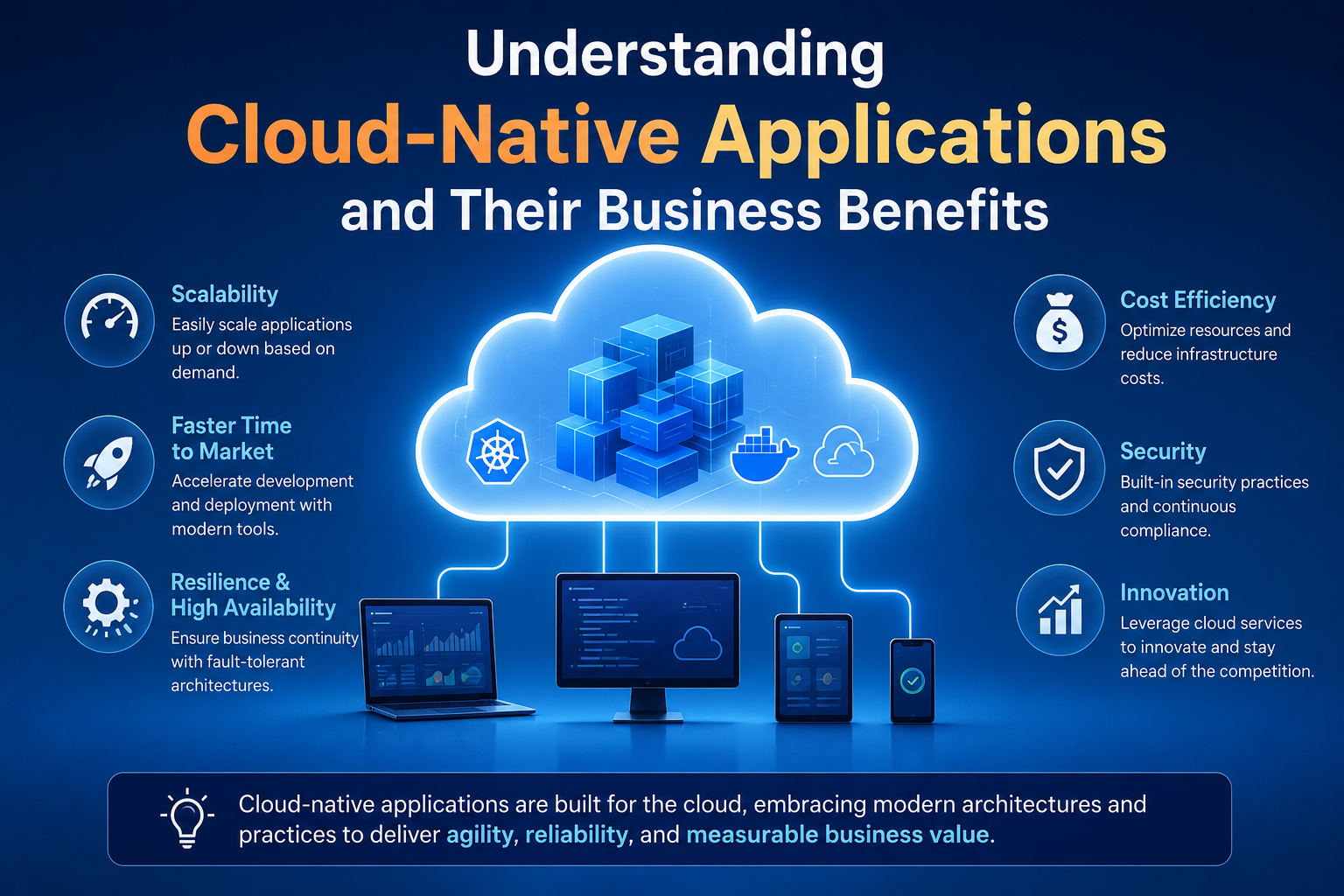
Cloud-native applications are designed and built to leverage the advantages of cloud computing from the ground up. Unlike traditional applications that are often hosted on-premises, cloud-native applications utilize cloud environments for deployment, scaling, and management. This architecture allows businesses to take full advantage of the cloud's elasticity, resilience, and accessibility.
Key Characteristics of Cloud-Native Applications
- Microservices: Cloud-native applications are typically built using a microservices architecture, which breaks down applications into smaller, independent services that can be developed, deployed, and scaled independently.
- Containerization: These applications often use containers, which package the application code along with its dependencies, ensuring consistent performance across different environments.
- Continuous Delivery: Cloud-native applications promote continuous integration and delivery, allowing for frequent updates and faster time-to-market.
- Resilience: The distributed nature of cloud-native applications ensures that if one component fails, the remaining services can continue to operate without disruption.
The Role of Cloud-Native Architecture
Cloud-native architecture is the backbone that supports cloud-native applications. It provides a framework that allows businesses to build applications that are scalable, flexible, and easy to manage. This architecture includes various components, such as containers, microservices, service meshes, and APIs, which work together to create a holistic and efficient environment.
Benefits of Cloud-Native Architecture
- Improved Scalability: As your business grows, so does the demand for your applications. Cloud-native architecture allows for seamless scaling, ensuring that resources can be allocated dynamically based on demand.
- Faster Time-to-Market: With the ability to develop and deploy microservices independently, businesses can release new features and updates more quickly, keeping them ahead of the competition.
- Cost-Effectiveness: By utilizing cloud resources efficiently, businesses can significantly reduce infrastructure costs, paying only for what they use.
Microservices: The Building Blocks of Cloud-Native Applications
At the heart of cloud-native applications lies the concept of microservices. This architectural style breaks down applications into smaller, manageable services that can operate independently. Each microservice focuses on a specific business function, making it easier to develop, deploy, and maintain applications.
Advantages of Microservices
- Independent Development: Teams can work on different microservices simultaneously, leading to faster development cycles.
- Technology Agnosticism: Different microservices can be built using different technologies, allowing for greater flexibility and innovation.
- Enhanced Fault Isolation: If one microservice fails, it does not impact the entire application, improving overall reliability.
Cloud Development: A Game-Changer for Businesses
Cloud development refers to the process of developing applications that are hosted and run in a cloud environment. This approach has revolutionized how businesses approach software development, offering numerous advantages.
Benefits of Cloud Development
- Access to Advanced Tools: Cloud development platforms offer a range of tools and services that streamline the development process, from coding to deployment.
- Collaboration: Cloud-based development enables teams to collaborate in real-time, regardless of their physical location, fostering innovation and creativity.
- Security: Leading cloud providers invest heavily in security measures, ensuring that your applications and data are well protected.
Scalable Applications: The Future of Business
In an age where customer expectations are constantly rising, businesses must ensure their applications can handle increased demand. Scalable applications are designed to grow and adapt as user needs change. This scalability is critical for maintaining performance and user satisfaction, especially during peak times.
How to Achieve Scalability in Cloud-Native Applications
- Auto-Scaling: Cloud platforms offer auto-scaling features that automatically adjust resources based on traffic, ensuring optimal performance without manual intervention.
- Load Balancing: Efficient load balancing distributes incoming traffic across multiple instances of an application, preventing overload on any single instance.
- Caching Strategies: Implementing caching mechanisms reduces the load on databases and improves response times for end-users.
Business Benefits of Cloud-Native Applications
Transitioning to cloud-native applications offers numerous business benefits that can significantly impact growth and efficiency.
1. Enhanced Agility
With the ability to quickly adapt to market changes, cloud-native applications allow businesses to pivot strategies and release new features in response to customer feedback.
2. Cost Reduction
By leveraging cloud resources, businesses can reduce infrastructure and operational costs. The pay-as-you-go model ensures that companies only pay for what they use.
3. Improved Collaboration
Cloud-native applications foster better collaboration among teams, allowing for more innovative solutions and faster problem-solving.
4. Increased Reliability
The distributed nature of cloud-native architecture ensures that applications are more resilient to failures, leading to a better user experience.
5. Global Reach
Cloud-native applications can be deployed globally, allowing businesses to reach new markets and customers without the need for significant infrastructure investment.
FAQs about Cloud-Native Applications
What is the difference between traditional and cloud-native applications?
Traditional applications are typically built for on-premises environments, whereas cloud-native applications are designed specifically for cloud environments, utilizing microservices and containerization for flexibility and scalability.
How do microservices contribute to cloud-native applications?
Microservices decompose applications into smaller services that can be developed, deployed, and scaled independently, allowing for greater agility and resilience.
Are cloud-native applications secure?
Yes, leading cloud providers offer robust security measures, including encryption, firewalls, and compliance certifications, to ensure the security of cloud-native applications.
Can small businesses benefit from cloud-native applications?
Absolutely! Cloud-native applications can help small businesses reduce costs, enhance agility, and improve collaboration, making them competitive in today’s market.
Conclusion
In conclusion, understanding cloud-native applications and their architecture is essential for businesses looking to thrive in the digital age. By embracing cloud development and microservices, organizations can create scalable applications that meet customer demands efficiently and effectively. Whether you are a small startup or a large enterprise, the shift to cloud-native applications can unlock new possibilities for growth and innovation.
If you’re ready to transform your business with cloud-native applications, contact us today to learn more about how we can help you leverage the power of cloud technology.





Leave a Comment