
 Quality Management



















 IT Service Management



 Project Management



 Agile Management



 Web Development



 Cloud Computing


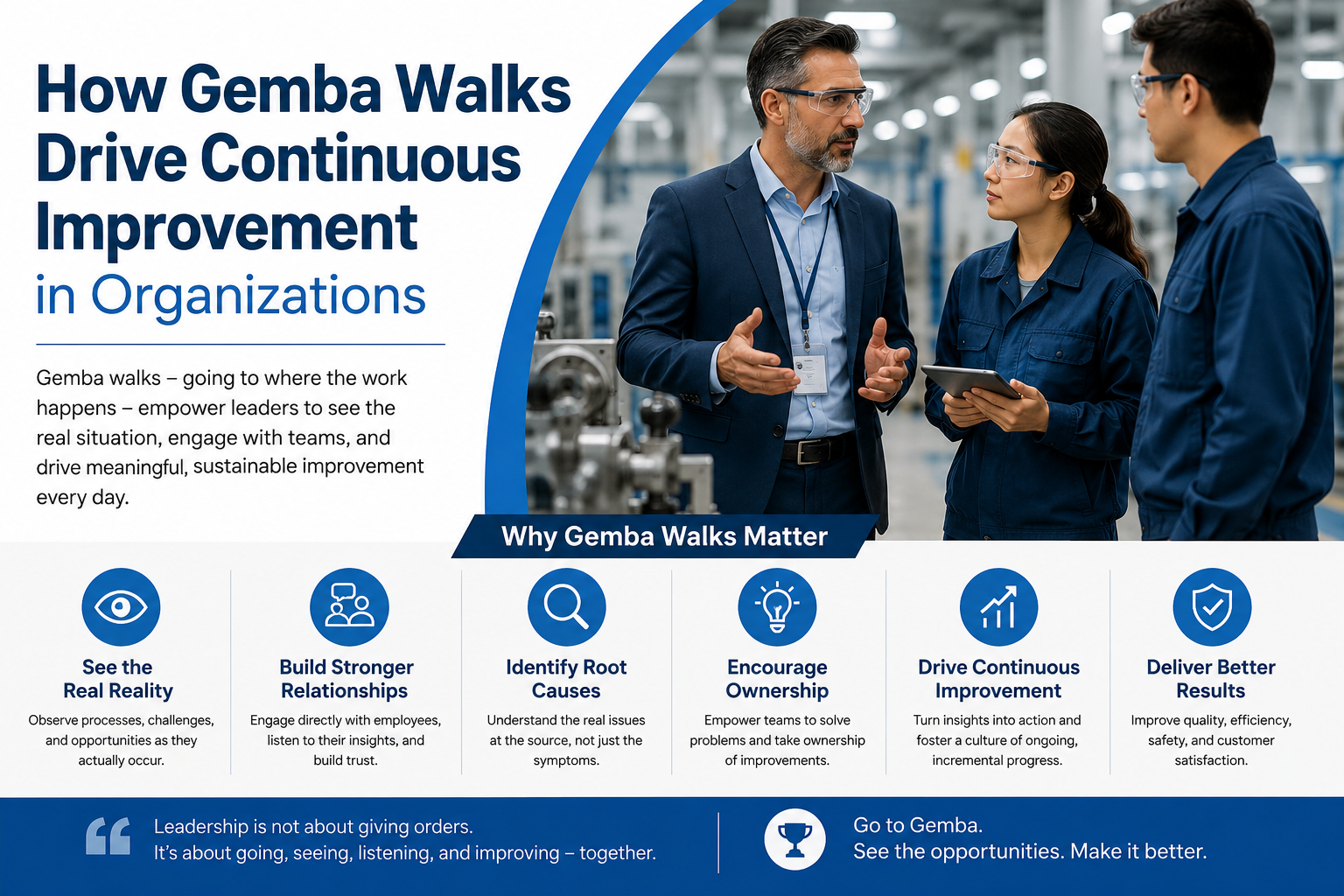
In the fast-paced world of business, organizations are constantly seeking ways to enhance efficiency and improve their processes. One effective method that has gained traction, especially in lean management practices, is the concept of a gemba walk. This practice not only fosters a culture of continuous improvement but also reinforces the principles of lean leadership and operational excellence. In this article, we will explore how gemba walks can transform your organization and provide a comprehensive gemba walk checklist to help you implement this strategy effectively.
Understanding Gemba Walks
The term "gemba" originates from Japanese, meaning "the real place." In a business context, it refers to the place where value is created—whether that be a factory floor, a sales office, or a customer service center. A gemba walk involves leaders and managers going to the gemba to observe operations, engage with employees, and identify areas for improvement.
The Importance of Gemba Walks
Gemba walks are crucial for several reasons:
- Direct Observation: By being present in the workplace, leaders can see the processes in action, gaining insights that reports and meetings may overlook.
- Employee Engagement: Gemba walks promote interaction between management and employees, fostering a culture of trust and open communication.
- Identifying Waste: Lean methodologies focus on eliminating waste. Gemba walks help identify inefficiencies in real-time, enabling quicker resolutions.
- Continuous Improvement: Regularly scheduled gemba walks encourage ongoing enhancement of processes, aligning with the principles of continuous improvement.
Implementing Gemba Walks in Your Organization
To maximize the benefits of gemba walks, a structured approach is essential. Here’s a detailed gemba walk checklist to guide you through the process:
Gemba Walk Checklist
- Define the Purpose: Clearly outline what you aim to achieve during the gemba walk. Are you looking to solve a specific problem, enhance a process, or assess employee engagement?
- Schedule Regular Walks: Set a frequency for gemba walks—whether weekly, bi-weekly, or monthly—to ensure consistency and accountability.
- Involve the Right People: Include team leaders, department heads, and frontline employees to gain diverse perspectives.
- Focus on Key Areas: Prioritize areas that require immediate attention or improvement, such as production lines, customer service desks, or supply chain processes.
- Engage with Employees: Encourage open dialogue with employees. Ask questions, listen to their feedback, and capture their insights on potential improvements.
- Document Findings: Take notes during the walk to record observations, suggestions, and areas identified for improvement.
- Follow-Up Actions: After the walk, review findings with the team, prioritize action items, and create a plan for implementation.
- Review and Reflect: Evaluate the effectiveness of changes made as a result of the gemba walk and adjust strategies as necessary.
Gemba Walks and Continuous Improvement
Gemba walks are deeply intertwined with the philosophy of continuous improvement. By regularly assessing operations and actively seeking employee input, organizations can foster a culture where everyone feels responsible for improvement.
How Gemba Walks Promote Continuous Improvement
1. **Encourages a Proactive Mindset**: When leaders routinely engage in gemba walks, they signal to employees that continuous improvement is a priority. This openness encourages staff to take initiative in suggesting enhancements.
2. **Facilitates Real-Time Problem Solving**: By identifying issues as they arise, organizations can address them promptly, preventing further complications and ensuring that processes remain efficient.
3. **Builds Stronger Teams**: Gemba walks create opportunities for collaboration between departments. Employees from different areas can share insights, leading to innovative solutions and enhanced teamwork.
4. **Enhances Customer Focus**: By observing workflows and processes, organizations can better understand customer interactions and experiences, ultimately leading to improved service delivery.
The Role of Lean Leadership in Gemba Walks
Effective lean leadership is critical in ensuring that gemba walks are successful. Leaders must embody the principles of lean thinking and foster an environment where continuous improvement thrives.
Characteristics of Lean Leaders in Gemba Walks
- Empathy: Lean leaders must demonstrate genuine concern for their employees, understanding their challenges and valuing their contributions.
- Commitment: Consistent participation in gemba walks shows commitment to the continuous improvement process and sets an example for others.
- Open-Mindedness: Leaders should be willing to accept feedback and ideas from employees, fostering a culture of innovation.
- Accountability: Lean leaders must take responsibility for implementing changes based on observations during gemba walks.
Real-Life Examples of Gemba Walks in Indian Organizations
Several Indian organizations have successfully implemented gemba walks as part of their continuous improvement strategies:
Tata Motors
Tata Motors has embraced lean manufacturing principles, including gemba walks, to enhance operational efficiency. Leaders regularly visit the production floor to engage with workers, resulting in significant improvements in production processes and employee morale.
Wipro
Wipro has integrated gemba walks into its service delivery model. By regularly visiting client sites and engaging with teams, they have been able to identify bottlenecks and implement solutions that enhance service quality and customer satisfaction.
FAQs About Gemba Walks
What is a gemba walk?
A gemba walk is a practice where leaders go to the place where work is done (the gemba) to observe processes, engage with employees, and identify areas for improvement.
How often should gemba walks be conducted?
The frequency of gemba walks can vary depending on the organization, but they should be conducted regularly—weekly, bi-weekly, or monthly—to ensure continuous engagement and improvement.
What should I look for during a gemba walk?
During a gemba walk, focus on observing workflows, engaging with employees, identifying waste, and gathering feedback on potential improvements.
Can gemba walks be beneficial for service industries?
Absolutely! Gemba walks can be highly beneficial in service industries by helping leaders understand customer interactions, streamline processes, and enhance service delivery.
Conclusion
Incorporating gemba walks into your organization can significantly drive continuous improvement and foster a culture of operational excellence. By being present in the gemba, leaders can engage with employees, identify inefficiencies, and implement effective solutions. As you prepare to embark on your gemba walk journey, use the provided gemba walk checklist to guide your efforts.
Ready to transform your organization through gemba walks? Start implementing these practices today and witness the positive impact on your processes and culture. For more insights and resources on lean leadership and operational excellence, subscribe to our newsletter or contact us for personalized guidance!



Leave a Comment