 Quality Management



















 IT Service Management



 Project Management



 Agile Management



 Web Development



 Cloud Computing


 Best Practices.png)
In the fast-paced world of Information Technology (IT), ensuring consistent and high-quality service delivery is paramount. Organizations depend on various IT services to maintain operations, and Service Level Agreements (SLAs) serve as the backbone of this relationship. This article delves into SLAs, their significance in IT service delivery, and best practices for effective SLA management.
Understanding Service Level Agreements (SLAs)
A Service Level Agreement (SLA) is a formal document that outlines the expected level of service between a service provider and a customer. It specifies the metrics by which the service is measured, the responsibilities of both parties, and the penalties or remedies for service failures. SLAs are essential in defining service expectations and ensuring accountability.
Importance of SLAs in IT Service Delivery
SLAs play a crucial role in IT service delivery by:
- Setting Clear Expectations: They provide clarity on service expectations, ensuring both parties understand their roles and responsibilities.
- Enhancing Accountability: SLAs hold service providers accountable for their performance, fostering a culture of responsibility.
- Improving Communication: They serve as a communication tool, facilitating discussions on service quality and performance metrics.
- Driving Continuous Improvement: By regularly reviewing SLAs, organizations can identify areas for improvement in IT service quality.
Best Practices for SLA Management
To achieve effective SLA management, organizations should adhere to certain best practices:
1. Define Clear and Measurable Metrics
When drafting an SLA, it is essential to establish clear and quantifiable metrics that relate to IT service quality. Metrics can include:
- Response time
- Resolution time
- Availability
- Performance benchmarks
These metrics should be realistic, attainable, and relevant to the services provided. For instance, a response time of one hour for critical incidents might be appropriate for some organizations, while others may require immediate responses.
2. Involve Stakeholders in the SLA Development Process
Engaging stakeholders, including IT teams and end-users, in the SLA development process ensures that the agreement meets the needs of all parties involved. Their insights can help identify critical service aspects and expectations, resulting in a more comprehensive SLA.
3. Regularly Review and Update SLAs
As business needs and technological landscapes evolve, SLAs should be revisited and revised periodically. Regular reviews help organizations adapt to changing requirements and enhance service delivery. Establish a schedule for reviewing SLAs and involve stakeholders in the evaluation process.
4. Ensure Clear Communication of SLAs
Once SLAs are established, it's crucial to communicate them effectively throughout the organization. All relevant teams should be aware of the SLAs, their responsibilities, and the metrics used to measure performance. This transparency builds trust and fosters a culture of accountability.
5. Implement Effective Monitoring and Reporting
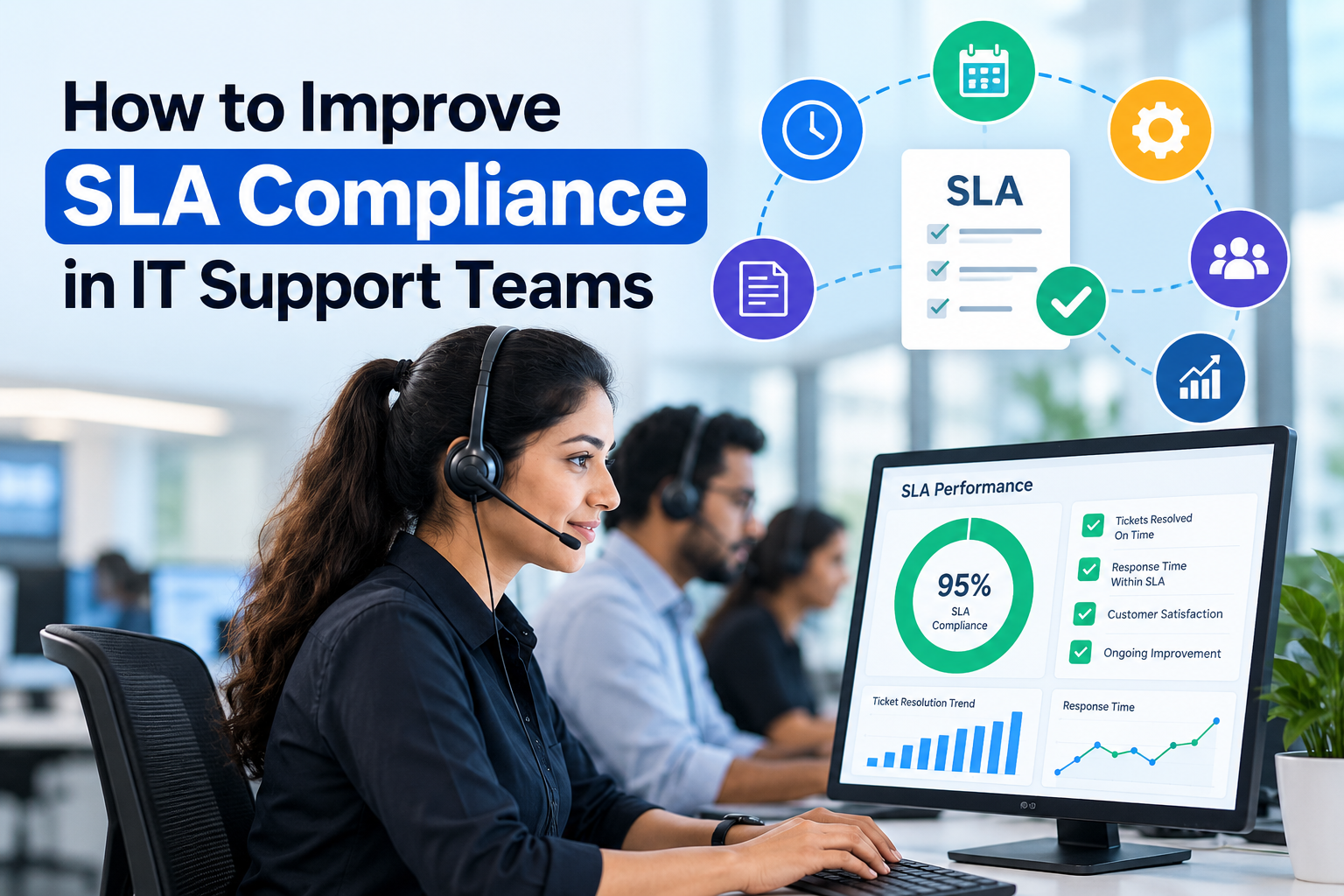
To ensure compliance with SLAs, organizations must implement robust monitoring and reporting mechanisms. Regularly track performance metrics and generate reports that highlight service delivery levels. Use this data to identify trends, areas for improvement, and instances of non-compliance.
6. Establish a Penalty and Reward System
Incorporating a penalty and reward system within SLAs can motivate service providers to meet or exceed expectations. Define penalties for failing to meet agreed-upon metrics and rewards for consistently high performance. This system encourages accountability and drives continuous improvement.
Challenges in SLA Management
SLA management is not without its challenges. Some common obstacles include:
- Vague Metrics: Unclear or ambiguous metrics can lead to misunderstandings and dissatisfaction.
- Lack of Stakeholder Engagement: Failing to involve relevant stakeholders can result in SLAs that do not accurately reflect the needs of the organization.
- Resistance to Change: Organizations may face resistance when attempting to revise existing SLAs or adapt to new service requirements.
FAQs about Service Level Agreements (SLAs)
What is the difference between an SLA and an OLA?
An SLA (Service Level Agreement) is a contract between a service provider and a customer, outlining service expectations. An OLA (Operational Level Agreement) is an internal agreement that defines the interdependencies between different teams within an organization to support SLA fulfillment.
How long should an SLA be valid?
The validity of an SLA depends on the specific services provided and organizational needs. However, it is common for SLAs to be reviewed and updated annually or bi-annually to ensure they remain relevant.
What happens if an SLA is not met?
If an SLA is not met, the service provider may face penalties as defined in the agreement. These penalties could include financial refunds, service credits, or additional support services to compensate for the failure.
Can SLAs be customized for different services?
Yes, SLAs can and should be customized based on the specific services offered. Different services may require unique metrics and expectations, so tailoring SLAs ensures they accurately reflect service delivery standards.
Conclusion
Service Level Agreements (SLAs) are integral to effective IT service delivery. By establishing clear expectations, enhancing accountability, and fostering communication, organizations can significantly improve their IT service quality. Implementing best practices for SLA management, such as involving stakeholders, regularly reviewing agreements, and ensuring robust monitoring, will create a framework for success.
As the IT landscape continues to evolve, adapting SLAs to meet changing needs will be crucial for maintaining high service delivery standards. Embrace these best practices and elevate your organization's IT service management to new heights.
Call to Action
Are you ready to enhance your IT service delivery with effective SLA management? Contact us today to discuss how we can help you implement best practices tailored to your organization's needs!


Leave a Comment