
 Quality Management



















 IT Service Management



 Project Management



 Agile Management




 Web Development



 Cloud Computing


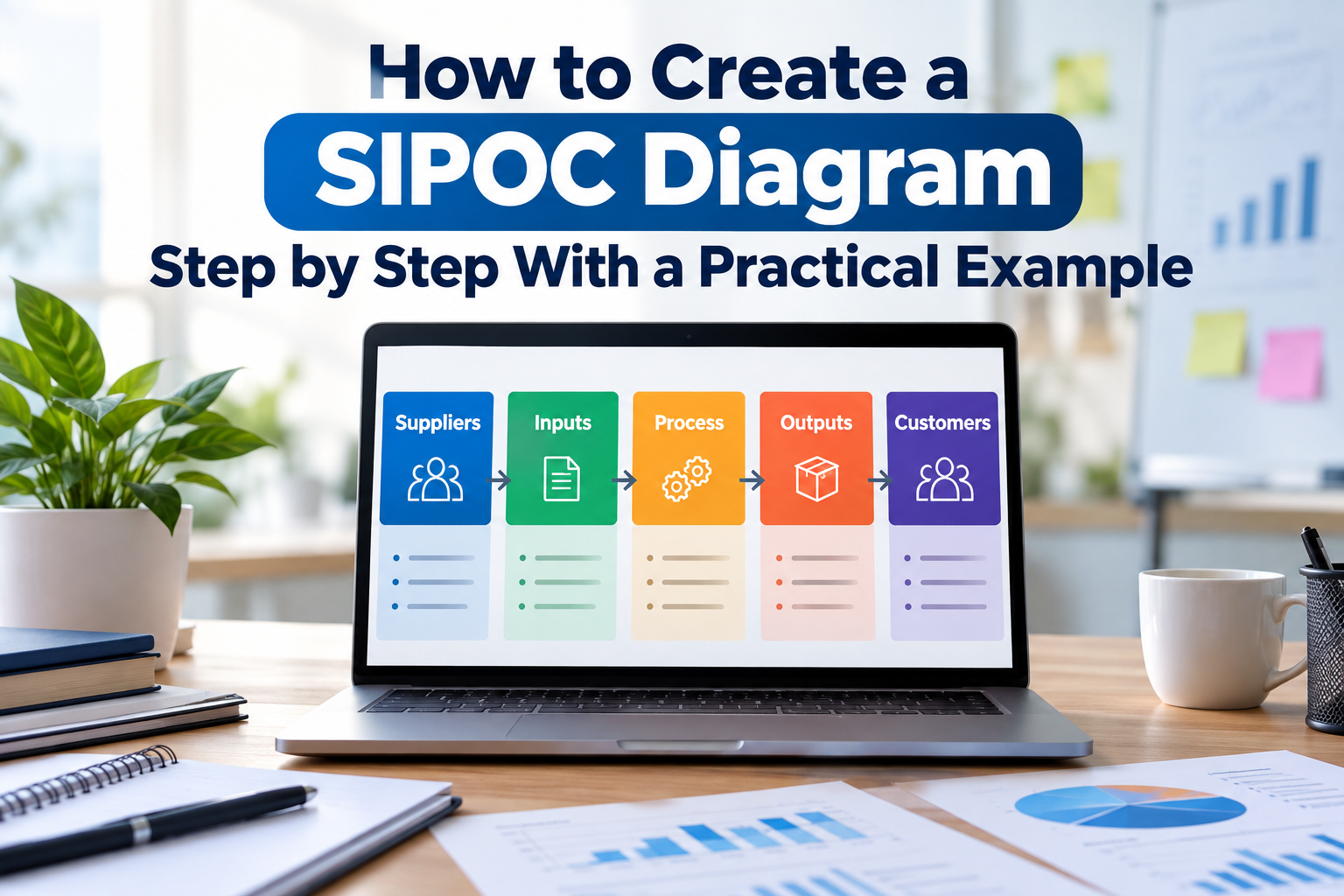
In today’s fast-paced business environment, clarity and efficiency are paramount. One effective tool that can help organizations streamline their processes is the SIPOC diagram. This powerful visual representation can provide valuable insights into your processes, helping teams understand the flow of inputs and outputs. In this comprehensive guide, we will explore how to create a SIPOC diagram step by step, using a practical example that resonates with Indian businesses.
What is a SIPOC Diagram?
A SIPOC diagram is a high-level visual representation of a process, which stands for Suppliers, Inputs, Process, Outputs, and Customers. It is often used in Six Sigma and Lean methodologies to identify key elements of a process, facilitating deeper analysis and improvement. By mapping out these components, teams can gain a clearer perspective on how their processes work and where improvements can be made.
Why Use a SIPOC Diagram?
There are several reasons why organizations, especially in India, should consider using a SIPOC diagram:
- Clarity: A SIPOC diagram provides a clear overview of the process, making it easier for teams to understand the relationships between different components.
- Communication: This tool serves as a common language for team members, ensuring everyone is on the same page regarding process objectives.
- Identification of Improvement Areas: By visualizing the process, teams can pinpoint bottlenecks and areas that require enhancement.
- Stakeholder Engagement: A SIPOC diagram can be shared with stakeholders to facilitate discussions around process improvement.
Steps to Create a SIPOC Diagram
Creating a SIPOC diagram may seem daunting, but it can be accomplished with a systematic approach. Here’s how to do it step by step:
Step 1: Define the Process
Begin by clearly defining the process you want to analyze. It is essential to have a specific focus to ensure that the SIPOC diagram is effective. For instance, let’s consider the process of “Order Fulfillment” in an e-commerce business in India.
Step 2: Identify the Suppliers
Next, identify who the suppliers are. Suppliers are the individuals or organizations that provide the necessary inputs for the process. In our example of order fulfillment, suppliers may include:
- Manufacturers of the products
- Warehouse providers
- Shipping companies
Step 3: List the Inputs
Now, list the inputs required for the process to function. Inputs are the resources, materials, or information needed for the process. For the order fulfillment process, the inputs may include:
- Customer orders
- Inventory data
- Shipping information
Step 4: Map Out the Process
In this step, outline the steps involved in the process itself. This section should detail what happens from the moment an order is placed until it is delivered to the customer. For our example, the process could look something like this:
- Receive customer order
- Check inventory
- Pick and pack the products
- Arrange for shipping
- Deliver the order to the customer
Step 5: Identify the Outputs
Outputs are the final products or services delivered to the customers. In the context of our example, the outputs may include:
- Delivered products
- Order confirmation
- Customer feedback
Step 6: Specify the Customers
Finally, identify who the customers are. Customers are the individuals or organizations that receive the outputs. In our order fulfillment example, the customers would be:
- Online shoppers
- Retail partners
Putting It All Together: A Practical Example of a SIPOC Diagram
Now that we have gathered all the necessary components, let’s visualize the SIPOC diagram for the order fulfillment process:
| Suppliers | Inputs | Process | Outputs | Customers |
|---|---|---|---|---|
| Manufacturers | Customer orders | 1. Receive customer order 2. Check inventory 3. Pick and pack the products 4. Arrange for shipping 5. Deliver the order |
Delivered products Order confirmation Customer feedback |
Online shoppers Retail partners |
| Warehouse providers | Inventory data | |||
| Shipping companies | Shipping information |
Tips for Effective SIPOC Diagram Creation
Here are some tips to ensure your SIPOC diagram is effective and useful:
- Involve the Right Stakeholders: Include team members who are knowledgeable about the process.
- Keep It Simple: Focus on high-level elements to avoid getting bogged down in details.
- Review and Revise: After creating the diagram, review it with the team and make necessary adjustments for accuracy.
- Use Visual Tools: Utilize diagramming tools to create a neat and organized SIPOC diagram that is easy to read.
FAQs About SIPOC Diagrams
1. What is the purpose of a SIPOC diagram?
The purpose of a SIPOC diagram is to provide a high-level overview of a process, helping teams understand the relationships between suppliers, inputs, processes, outputs, and customers.
2. Can a SIPOC diagram be used in any industry?
Yes, a SIPOC diagram can be applied in various industries, including manufacturing, healthcare, service sectors, and more.
3. How detailed should a SIPOC diagram be?
A SIPOC diagram should focus on high-level components rather than intricate details. The goal is to provide a clear overview of the process.
4. Are there any software tools to create SIPOC diagrams?
Yes, there are several software tools available, such as Microsoft Visio, Lucidchart, and online diagramming tools that can help you create SIPOC diagrams easily.
Conclusion
A SIPOC diagram is a valuable tool for organizations looking to improve their processes. By following the step-by-step approach outlined in this guide, you can create a SIPOC diagram that provides clarity and fosters communication within your team. Whether you're in a manufacturing setup or an e-commerce business, the SIPOC diagram can help you better understand your processes and identify areas for improvement.
Ready to streamline your processes? Start creating your SIPOC diagram today and unlock the potential for enhanced efficiency and productivity in your organization!
Call to Action: If you found this guide helpful, please share it with your colleagues and friends who might benefit from learning about SIPOC diagrams. For more insights into process improvement and business strategies, subscribe to our newsletter!



Leave a Comment