
 Quality Management



















 IT Service Management



 Project Management



 Agile Management



 Web Development


 Cloud Computing

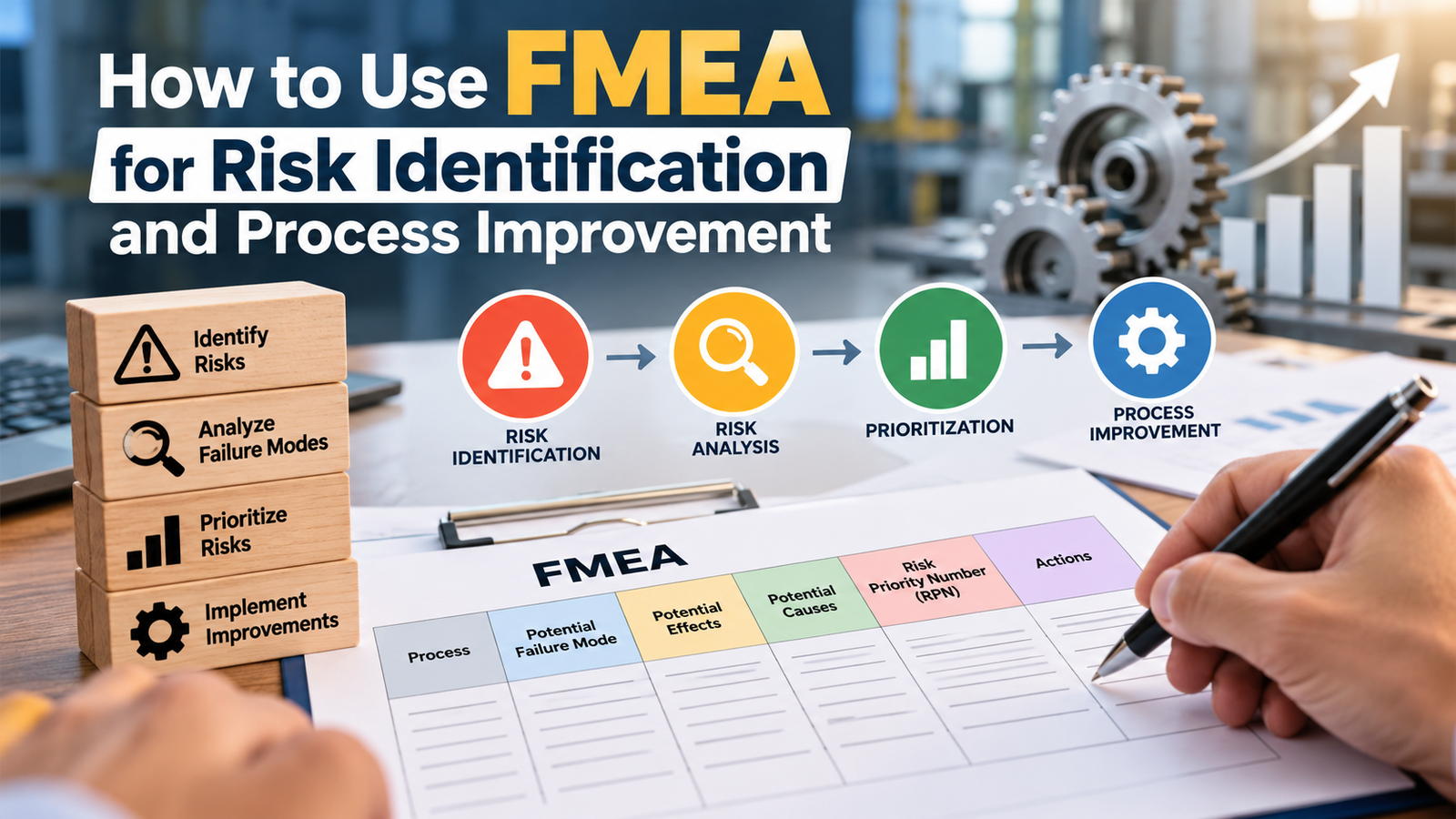
In today's competitive landscape, organizations in India are constantly searching for methods to enhance their processes and mitigate risks. One powerful tool that has emerged in this quest is FMEA analysis (Failure Mode and Effects Analysis). This structured approach helps businesses identify potential failure points in their processes and implement effective solutions. In this comprehensive guide, we will explore how to effectively use FMEA for risk identification and process improvement.
What is FMEA?
FMEA stands for Failure Mode and Effects Analysis. It's a systematic methodology for evaluating processes to identify where and how they might fail and assessing the relative impact of different failures. By prioritizing potential failures based on their severity, occurrence, and detectability, organizations can focus their efforts on the most critical areas, ensuring that resources are allocated effectively.
The Importance of FMEA Analysis in Indian Industries
In India, industries ranging from manufacturing to healthcare can significantly benefit from FMEA analysis. The complexity of processes, combined with the need for quality assurance, makes FMEA an invaluable tool. Here’s why it’s crucial:
- Risk Mitigation: FMEA helps organizations identify risks proactively, allowing for timely interventions that prevent costly failures.
- Continuous Improvement: By regularly conducting FMEA, companies can foster a culture of continuous improvement, ensuring processes evolve with changing market demands.
- Regulatory Compliance: Many industries in India are governed by strict regulations. FMEA can assist in achieving compliance by ensuring that potential failures are addressed.
Steps to Conduct FMEA Analysis
1. Assemble a Cross-Functional Team
The first step in conducting FMEA analysis is to gather a team of individuals from various departments. This should include members from engineering, quality control, production, and any other relevant areas. A diverse team brings different perspectives, ensuring comprehensive analysis.
2. Define the Scope
Clearly outline the process or product to be analyzed. This scope should include specific boundaries to prevent the analysis from becoming too broad. For instance, if analyzing a manufacturing process, define which part of the process is being assessed.
3. Identify Potential Failure Modes
Encourage team members to brainstorm and list possible failure modes. A failure mode is any way in which a process can fail to meet its intended outcome. It’s essential to consider every possible scenario to ensure a thorough analysis.
4. Assess the Effects of Each Failure Mode
For each identified failure mode, determine its potential effects on the process or product. This assessment should consider the impact on customers, stakeholders, and regulatory compliance. The focus should be on understanding how these failures can affect the overall quality and safety of the product or process.
5. Determine Severity, Occurrence, and Detection Ratings
Assign numerical ratings for:
- Severity (1-10): How serious is the effect of the failure?
- Occurrence (1-10): How likely is the failure to occur?
- Detection (1-10): How likely is it that the failure will be detected before it reaches the customer?
6. Calculate the Risk Priority Number (RPN)
The Risk Priority Number (RPN) is calculated by multiplying the severity, occurrence, and detection ratings:
RPN = Severity × Occurrence × Detection
This number helps prioritize which failure modes require immediate attention based on their risk level.
7. Develop Action Plans
For each failure mode with a high RPN, develop action plans to mitigate the risks. Solutions may include process redesign, enhanced training, or additional quality control measures. Assign responsibilities to team members to ensure accountability in implementing these solutions.
8. Implement and Monitor
Once action plans are in place, it’s crucial to implement them effectively. Monitor the effectiveness of these actions over time, and be prepared to adjust strategies as needed. Continuous monitoring ensures that the process remains robust against potential failures.
Best Practices for Effective FMEA Analysis
- Regular Reviews: Conduct FMEA analysis regularly, especially when changes occur in the process or product.
- Documentation: Keep detailed records of all analyses, decisions made, and actions taken for future reference and compliance purposes.
- Training: Ensure that team members are well-trained in FMEA concepts and methodologies to enhance the analysis quality.
- Encourage Open Communication: Foster an environment where team members feel comfortable sharing insights and concerns. This openness can lead to more thorough analyses.
Challenges in FMEA Implementation
While FMEA is a powerful tool, its implementation can come with challenges:
- Resistance to Change: Some team members may be resistant to changes proposed by FMEA findings.
- Time-Consuming: The process can be time-intensive, particularly for large organizations with complex processes.
- Data Reliance: Accurate data is crucial for effective FMEA. Poor data quality can lead to misguided conclusions.
FAQs about FMEA Analysis
What industries can benefit from FMEA analysis?
FMEA is applicable across various sectors, including manufacturing, healthcare, automotive, and aerospace. Any industry that values quality and safety can utilize FMEA to enhance processes.
How often should FMEA be conducted?
FMEA should be conducted regularly, especially when there are significant changes in processes, products, or regulations. An annual review is often recommended.
Can FMEA be applied to software processes?
Yes, FMEA can be adapted for software development processes to identify potential failures in software functionality and performance.
Is FMEA a one-time process?
No, FMEA is not a one-time process. It should be revisited periodically to ensure that emerging risks are identified and addressed.
Conclusion
FMEA analysis is an essential tool for risk identification and process improvement in Indian industries. By systematically identifying potential failures and prioritizing them based on their risk, organizations can make informed decisions that enhance quality, safety, and operational efficiency. As you embark on your journey to implement FMEA, remember that the involvement of a diverse team, continuous monitoring, and open communication are key to success.
Ready to enhance your processes with FMEA analysis? Get started today and see the difference it can make in your organization! Contact us for expert guidance and support in implementing FMEA in your business.




Leave a Comment