
 Quality Management



















 IT Service Management



 Project Management



 Agile Management




 Web Development



 Cloud Computing



In today's competitive business landscape, customer satisfaction is paramount. However, if your organization is inundated with customer complaints, it’s crucial to address the underlying issues. One effective methodology for tackling this problem is Six Sigma, a powerful quality management tool that emphasizes eliminating defects and improving processes. This blog will explore how to utilize Six Sigma for customer complaints root cause analysis and enhance your quality management practices.
Understanding Six Sigma
Six Sigma is a data-driven approach that focuses on improving quality by identifying and removing the causes of defects and minimizing variability in manufacturing and business processes. Originating from the manufacturing sector, Six Sigma has evolved to become a vital element in service-oriented industries, making it a versatile tool for any organization.
The Importance of Quality Management
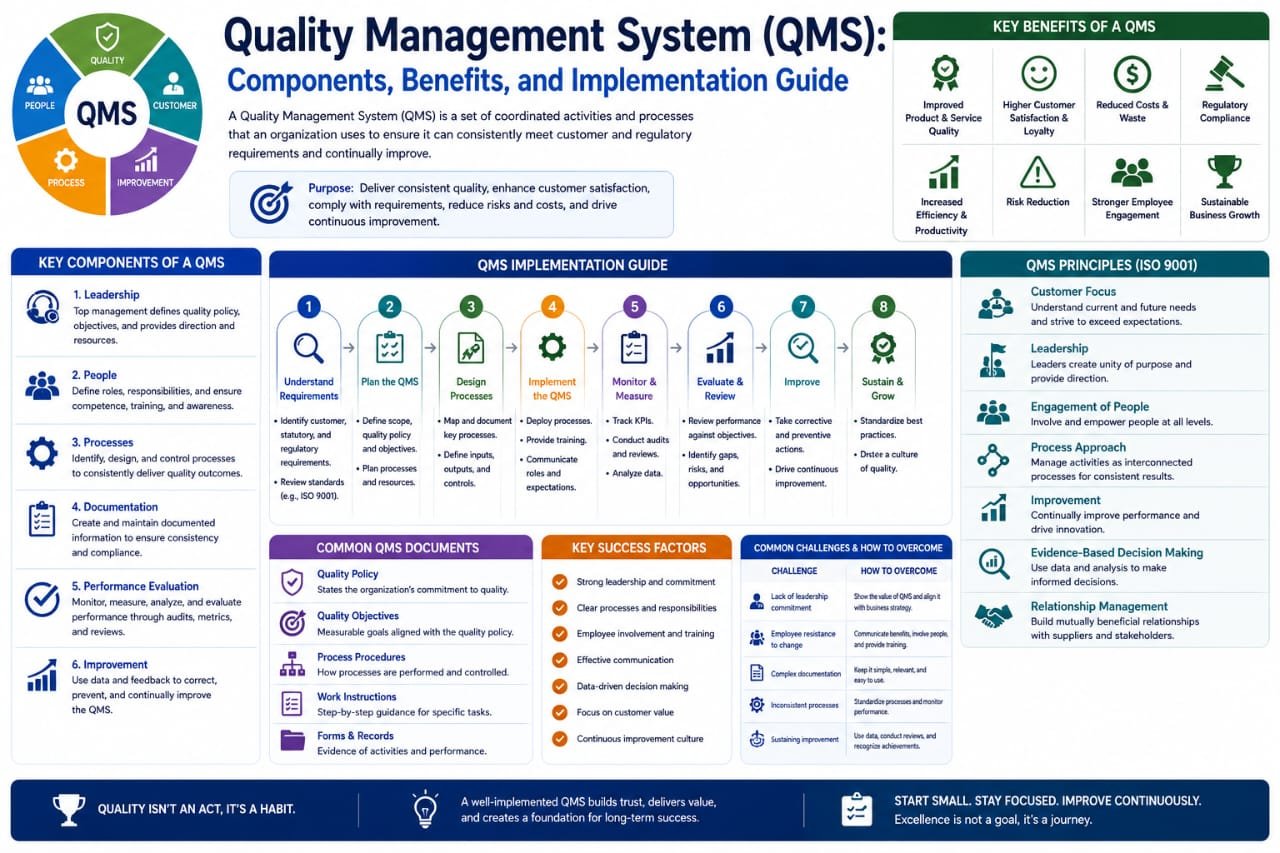
Quality management ensures that an organization’s products or services meet customer expectations. By implementing quality management practices, companies can:
- Enhance customer satisfaction
- Reduce operational costs
- Improve productivity
- Boost employee morale
In India, where markets are rapidly evolving and consumer expectations are soaring, effective quality management is essential to maintaining a competitive edge.
Identifying the Root Causes of Customer Complaints
Before diving into Six Sigma, it’s important to understand what constitutes a customer complaint. Complaints can arise from various sources, including product quality, service delays, or poor communication. Identifying the root causes of these complaints is the first step towards resolution.
What is Root Cause Analysis?
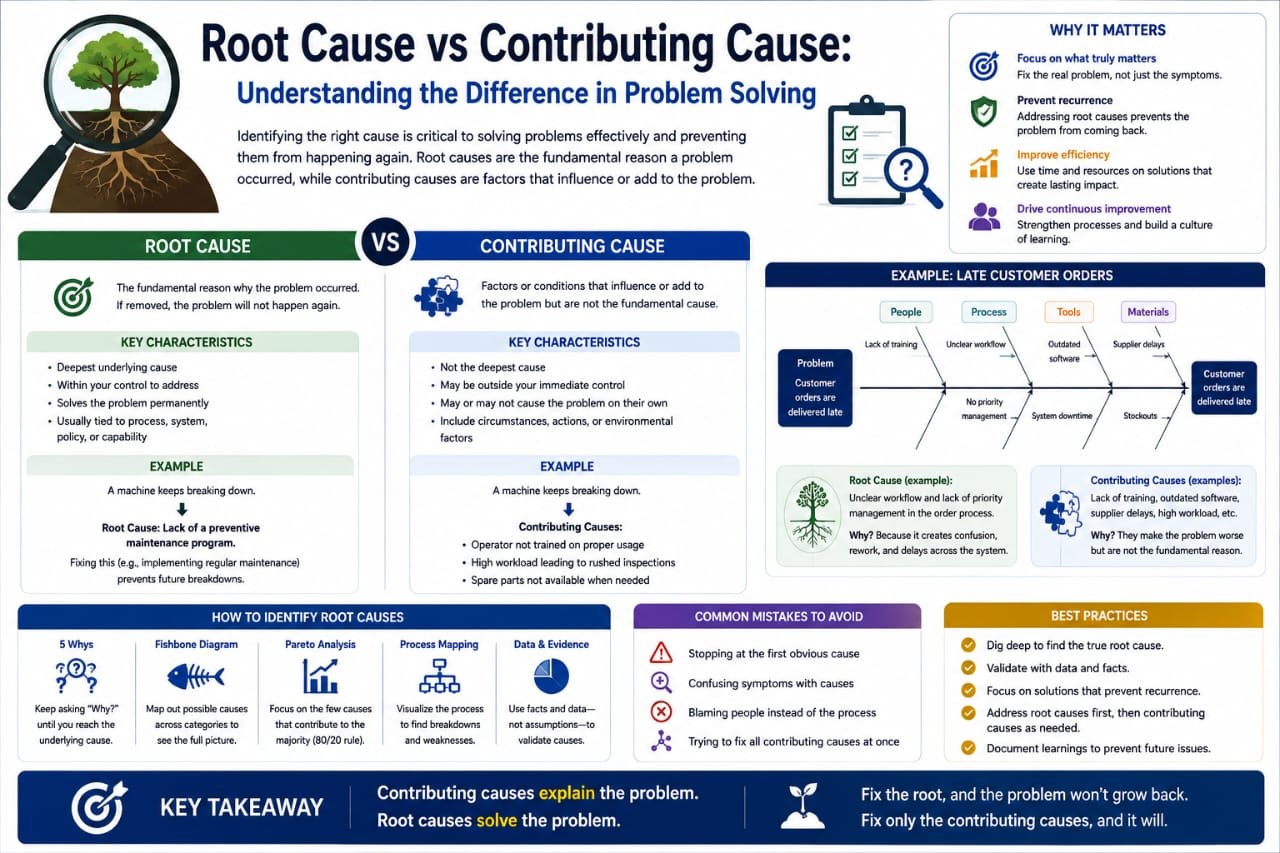
Root cause analysis (RCA) is a systematic process for identifying the underlying causes of problems or incidents. In the context of customer complaints, RCA helps organizations pinpoint the specific issues that lead to customer dissatisfaction. By addressing these root causes, businesses can significantly reduce the number of complaints.
Implementing Six Sigma for Customer Complaints Root Cause Analysis
To effectively leverage Six Sigma for identifying and addressing customer complaints, you can follow the DMAIC framework: Define, Measure, Analyze, Improve, and Control.
1. Define
The first step is to clearly define the problem. Gather data on customer complaints, categorize them, and establish a specific goal for improvement. For instance, if you notice a spike in complaints regarding product defects, define the scope of the issue clearly.
2. Measure
Next, measure the current performance level of your processes. This involves collecting quantitative data related to customer complaints, such as the number of complaints received over a specific period, the severity of complaints, and customer satisfaction ratings. This data will serve as a benchmark for future improvements.
3. Analyze
Once you have gathered the necessary data, it’s time to analyze it. Use tools such as fishbone diagrams or Pareto charts to identify patterns and potential root causes of customer complaints. Consider factors such as:
- Product design
- Manufacturing processes
- Employee training
- Supplier quality
Collaborating with cross-functional teams can provide valuable insights into different aspects of your operations.
4. Improve
After identifying the root causes, develop and implement solutions aimed at addressing them. This could involve redesigning a product, enhancing training programs, or refining your communication strategy. Test these improvements on a small scale before rolling them out across the organization.
5. Control
The final step is to establish controls to sustain the improvements made. Implement monitoring systems to track customer complaints and ensure that the changes are effective. Regularly review your processes and make adjustments as necessary to maintain high-quality standards.
Benefits of Using Six Sigma for Customer Complaints
Implementing Six Sigma for customer complaints root cause analysis offers several significant advantages:
- Enhanced Customer Satisfaction: By addressing the root causes of complaints, businesses can enhance customer satisfaction and loyalty.
- Cost Reduction: Reducing defects and complaints leads to lower operational costs and improved profitability.
- Improved Employee Morale: Employees who see their organizations committed to quality management are likely to feel more engaged and motivated.
- Stronger Brand Reputation: Businesses known for their commitment to quality tend to enjoy a stronger reputation in the marketplace.
FAQs
What types of customer complaints can Six Sigma address?
Six Sigma can address various types of complaints, including product defects, service delays, poor customer service experiences, and communication issues. By systematically analyzing these complaints, organizations can implement effective solutions.
How long does it take to see results from Six Sigma implementations?
The timeline for seeing results from Six Sigma varies based on the complexity of the issues being addressed. However, many organizations begin to see improvements within a few months of implementing the DMAIC process.
Is Six Sigma suitable for small businesses?
Yes, Six Sigma is applicable to businesses of all sizes. Small businesses can particularly benefit from the cost-saving measures and efficiency improvements that come from effectively managing customer complaints.
Do I need specialized training to implement Six Sigma?
While specialized training can be beneficial, many organizations successfully implement Six Sigma principles through workshops and collaboration with experienced practitioners. Training programs are available to help teams understand the methodology and tools involved.
Conclusion
In a market where customer satisfaction is the key to success, organizations must prioritize customer complaints root cause analysis to identify and rectify issues effectively. By adopting the Six Sigma methodology, businesses in India can enhance their quality management practices, leading to improved customer satisfaction and loyalty.
If you’re facing challenges with customer complaints and want to implement Six Sigma in your organization, don’t hesitate to reach out for expert guidance. Together, we can transform your customer service experience and drive your business forward.
Contact us today to learn more about how Six Sigma can revolutionize your quality management practices!


Leave a Comment