
 Quality Management



















 IT Service Management



 Project Management



 Agile Management




 Web Development



 Cloud Computing


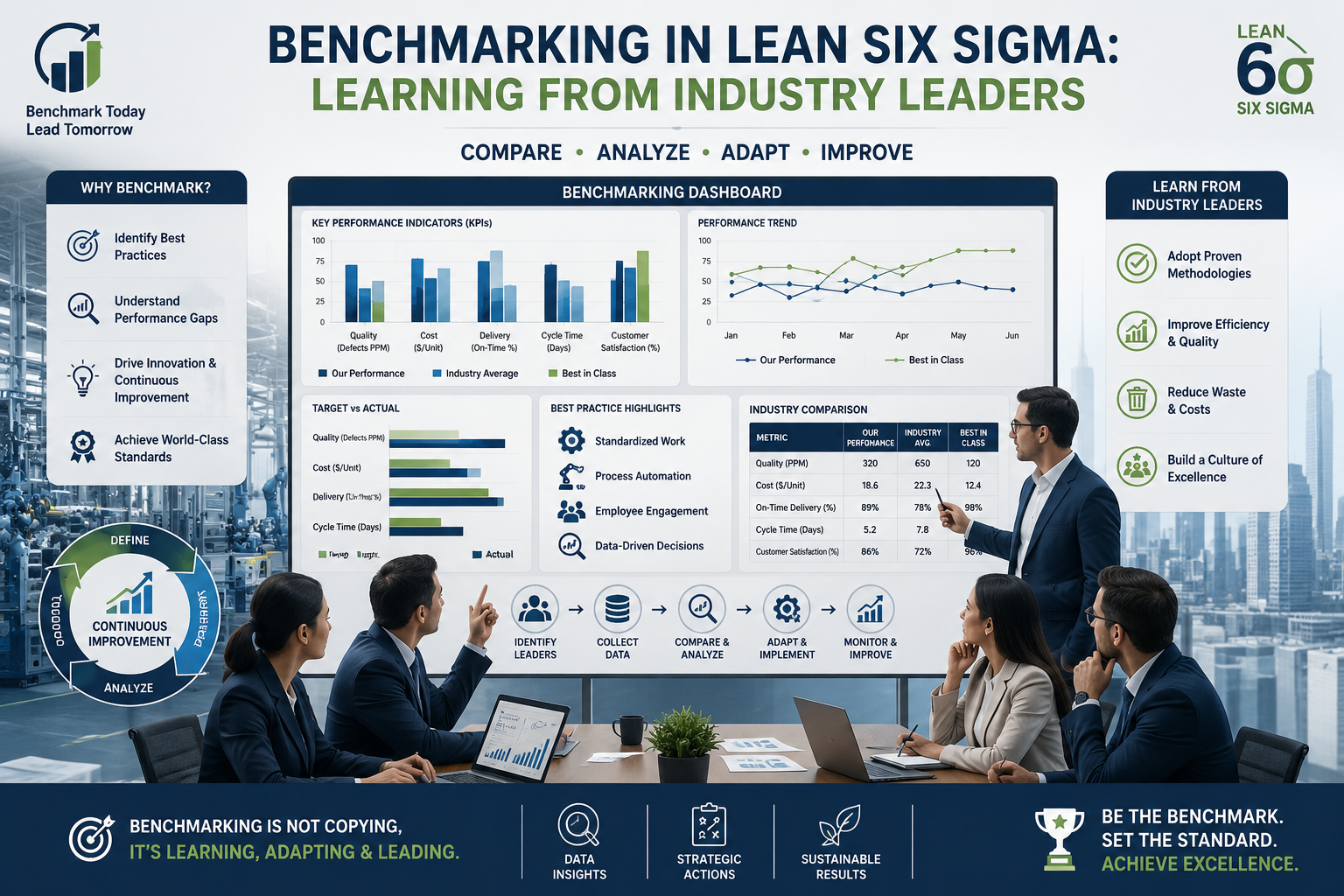
In today's competitive business environment, organizations are constantly striving for improvement and excellence. One of the most effective methodologies to achieve this is through the benchmarking process, particularly in the context of Lean Six Sigma. By understanding and implementing best practices from industry leaders, companies can enhance their operational efficiency and drive continuous improvement.
What is Benchmarking?
Benchmarking is a systematic process of comparing your business processes and performance metrics to industry bests or best practices from other companies. The goal is to identify areas where you can improve efficiency, reduce costs, and enhance quality. In the realm of Lean Six Sigma, benchmarking plays a critical role in achieving business excellence.
The Importance of Lean Benchmarking
Lean benchmarking specifically focuses on identifying and implementing best practices that eliminate waste while maximizing value. By adopting lean principles, organizations can streamline their processes, thus improving overall efficiency. Here are some reasons why lean benchmarking is essential:
- Identifies gaps: By comparing your performance with industry leaders, you can identify gaps in your processes and set realistic goals for improvement.
- Encourages innovation: Learning from others often sparks innovative ideas that can be adapted to your organization.
- Fosters a culture of continuous improvement: Benchmarking encourages teams to focus on ongoing enhancements rather than settling for the status quo.
Types of Benchmarking
There are several types of benchmarking that organizations can utilize, including:
- Performance Benchmarking: This involves comparing your company’s performance metrics to those of competitors or industry leaders. It helps you understand where you stand in the market and what improvements are necessary.
- Process Benchmarking: This focuses on comparing specific processes within your organization to similar processes in other organizations. It’s particularly useful for identifying best practices that can be adapted to your own processes.
- Strategic Benchmarking: This type examines how organizations develop and implement strategies. Learning from the strategies of successful businesses can provide insights into new approaches for your organization.
Steps in the Benchmarking Process
The benchmarking process involves several key steps:
1. Identify What to Benchmark
Determine which processes, products, or services you want to benchmark. Focus on areas that directly affect your organization’s performance and customer satisfaction.
2. Choose Benchmarking Partners
Select organizations that are recognized as leaders in the area you wish to benchmark. This could be competitors, industry leaders, or even organizations outside your industry that excel in similar processes.
3. Collect Data
Gather data on your performance metrics and those of your benchmarking partners. This can include financial metrics, operational efficiency, customer satisfaction, and more.
4. Analyze Data
Analyze the collected data to identify gaps in performance and areas for improvement. Look for trends and patterns that can guide your improvement efforts.
5. Implement Changes
Based on your analysis, develop and implement a plan for improvement. This should include specific actions, timelines, and responsible parties.
6. Monitor Progress
After implementing changes, continuously monitor performance to ensure that improvements are being realized. Adjust your strategies as necessary to maintain progress.
Learning from Industry Leaders
To truly leverage the power of benchmarking, it’s essential to learn from industry leaders. Here are a few notable examples of companies excelling through effective benchmarking:
1. Toyota
Toyota is renowned for its lean manufacturing practices. By benchmarking against its own processes and those of industry competitors, Toyota has been able to streamline operations, reduce waste, and enhance product quality. Their commitment to continuous improvement is evident in the way they adapt and refine their processes.
2. GE
General Electric (GE) has successfully implemented benchmarking to improve its operational efficiency. Through rigorous performance benchmarking, GE identifies best practices from both within and outside the organization, leading to innovations that drive business excellence.
3. Amazon
Amazon’s relentless focus on customer satisfaction and operational efficiency has made it a leader in the e-commerce space. By benchmarking its logistics and fulfillment processes against top industry standards, Amazon continuously enhances its service delivery, ensuring customer satisfaction remains high.
Challenges in the Benchmarking Process
While benchmarking can yield significant benefits, organizations may face several challenges during the process:
- Data Availability: Accessing reliable data from benchmarking partners can be a challenge, especially if they are competitors.
- Resistance to Change: Employees may resist changes recommended by benchmarking analysis, especially if they are comfortable with existing processes.
- Misinterpretation of Data: Poor analysis or misunderstanding of benchmarking data can lead to incorrect conclusions and ineffective improvements.
FAQs on Benchmarking in Lean Six Sigma
What is the main goal of benchmarking in Lean Six Sigma?
The primary goal is to identify best practices that lead to improved efficiency, reduced waste, and enhanced quality, ultimately driving business excellence.
How often should benchmarking be performed?
Benchmarking should be an ongoing process. Regular reviews and comparisons can help organizations stay competitive and continuously improve their operations.
Can benchmarking be applied to small businesses?
Absolutely! Small businesses can greatly benefit from benchmarking by identifying areas for improvement and learning from industry leaders, thus enhancing their competitiveness.
What are the risks of benchmarking?
Risks include potential data privacy issues, over-reliance on competitors’ practices, and the possibility of misinterpretation of data. It's important to approach benchmarking with a clear strategy and context.
Conclusion
In conclusion, the benchmarking process is a powerful tool in achieving business excellence through Lean Six Sigma. By learning from industry leaders and adopting best practices, organizations can foster a culture of continuous improvement that drives success. Whether you're a large corporation or a small business, implementing effective benchmarking strategies can lead to significant enhancements in operational efficiency and customer satisfaction.
If you're ready to take your business to the next level through benchmarking and Lean Six Sigma methodologies, contact us today for expert guidance and support!


Leave a Comment