
 Quality Management



















 IT Service Management



 Project Management


 Agile Management




 Web Development


 Cloud Computing

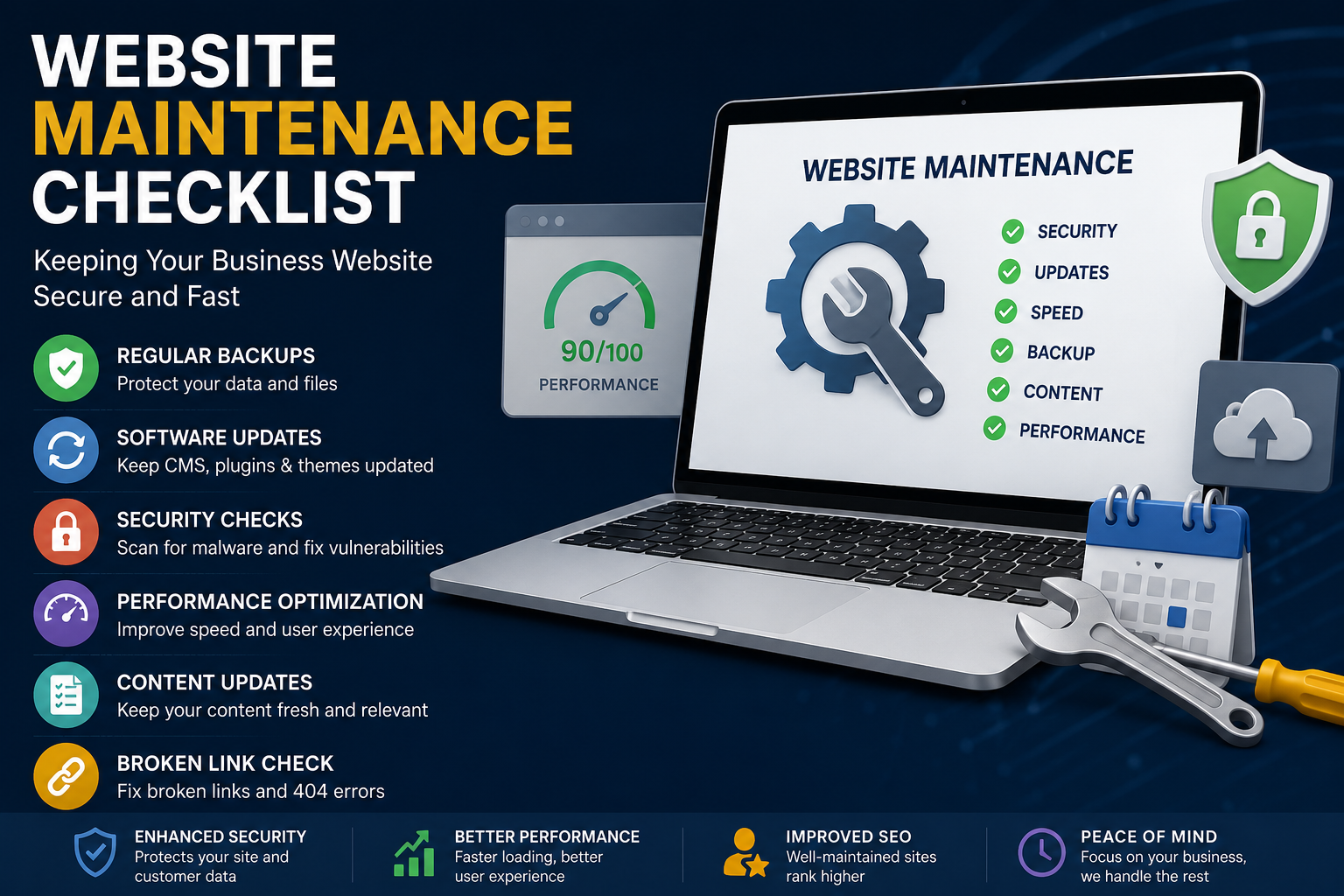
In today's digital age, a strong online presence is crucial for any business. However, having a website is just the beginning; regular website maintenance is essential to ensure that your site remains secure, fast, and functional. This comprehensive checklist will help you manage your business website effectively, focusing on website security, website performance, and essential website updates.
Why Is Website Maintenance Important?
Website maintenance is the process of regularly checking your website for issues and keeping it updated. This is vital for several reasons:
- Enhances Security: Regular updates and checks help protect your site from vulnerabilities and cyber threats.
- Improves Performance: A well-maintained website loads faster and provides a better user experience.
- Boosts SEO: Search engines favor regularly updated sites, which can improve your ranking.
- Increases User Trust: A secure and fast website builds trust with your audience, encouraging them to do business with you.
Essential Components of Website Maintenance
1. Regular Backups
One of the first steps in your business website management strategy should be to set up regular backups. This ensures that you have a copy of your website that can be restored in case of data loss or a cyber attack. Consider using a reliable backup solution that automatically backs up your website at scheduled intervals.
2. Software and Plugin Updates
Whether you're using WordPress, Joomla, or any other content management system, keeping your software and plugins up to date is crucial for website security. Outdated software can expose your site to vulnerabilities that hackers can exploit. Make it a habit to check for updates at least once a month.
3. Security Checks
Regularly conduct security checks to identify potential vulnerabilities. You can use various security plugins or tools to scan your website for malware, security breaches, and other risks. Additionally, consider implementing SSL certificates to encrypt data transferred between your website and users, enhancing website security.
4. Performance Monitoring
Website performance directly influences user experience and SEO rankings. Use tools like Google PageSpeed Insights or GTmetrix to monitor your website's loading speed. Aim for a load time of under three seconds. If your website is slow, consider optimizing images, reducing server response time, and leveraging browser caching.
5. Content Updates
Fresh and relevant content keeps your audience engaged and encourages return visits. Make it a point to update your existing content, add new blog posts, and refresh any outdated information. This not only helps with website performance but also improves your site's SEO ranking.
6. Mobile Responsiveness
With a significant portion of traffic coming from mobile devices, ensuring your website is mobile-responsive is crucial. Regularly test your site on various devices to confirm that it functions well and looks good across different screen sizes.
7. Check for Broken Links
Broken links can harm user experience and negatively impact your SEO. Use tools to check for broken links regularly and fix or remove them to maintain a healthy website. Keeping your links updated is an essential part of business website management.
8. Analytics Review
Regularly reviewing your website analytics helps you understand user behavior, traffic sources, and other crucial metrics. Use Google Analytics to track your website's performance and make data-driven decisions for future updates and strategies.
9. Accessibility Checks
Your website should be accessible to all users, including those with disabilities. Regularly review your site for accessibility issues and ensure that it meets the necessary guidelines. This not only helps you reach a wider audience but also positions your brand as inclusive.
10. Social Media Integration
Ensure that your social media links are active and integrated into your website. Regularly update your social media feeds and encourage visitors to follow you on various platforms. This helps in maintaining engagement and driving traffic back to your site.
Creating a Maintenance Schedule
To ensure that your website maintenance tasks are completed consistently, create a maintenance schedule. Here’s a sample schedule:
| Task | Frequency |
|---|---|
| Backup | Weekly |
| Software/Plugin Updates | Monthly |
| Security Checks | Monthly |
| Performance Monitoring | Monthly |
| Content Updates | Bi-weekly |
| Broken Link Check | Quarterly |
| Analytics Review | Monthly |
| Accessibility Checks | Quarterly |
FAQs
1. How often should I perform website maintenance?
It is recommended to perform website maintenance tasks at least once a month, with specific tasks like backups and security checks being done weekly.
2. What can I do to improve my website’s loading speed?
To improve loading speed, optimize images, enable browser caching, minimize HTTP requests, and consider using a content delivery network (CDN).
3. Is website security important for small businesses?
Absolutely! Small businesses are often targeted by cybercriminals. Implementing solid website security measures is critical to protect your business and customer data.
4. What tools can I use for website performance monitoring?
Tools like Google PageSpeed Insights, GTmetrix, and Pingdom are excellent for monitoring your website's performance and identifying areas for improvement.
5. Can I manage website maintenance myself?
Yes, many website maintenance tasks can be performed by business owners, especially with the help of various tools and plugins. However, if you're unsure, consider hiring a professional.
Conclusion
Regular website maintenance is not just about keeping your site looking good; it’s about ensuring security, performance, and user satisfaction. By following the checklist outlined in this blog, you can ensure that your business website management is on the right track. Remember, a proactive approach to website maintenance will not only protect your business but also enhance your online presence.
Ready to take your website maintenance to the next level? Contact us today for expert help and tailored solutions that meet your business needs!



Leave a Comment