
 Quality Management



















 IT Service Management



 Project Management



 Agile Management




 Web Development



 Cloud Computing


.png)
In the rapidly evolving landscape of manufacturing, the integration of technology into quality management processes has become not just an option but a necessity. Welcome to the era of digital QMS, where smart quality management systems are revolutionizing how manufacturers ensure product excellence. This blog delves into the nuances of digital QMS, its benefits for the Indian manufacturing sector, and what the future holds.
Understanding Digital Quality Management Systems
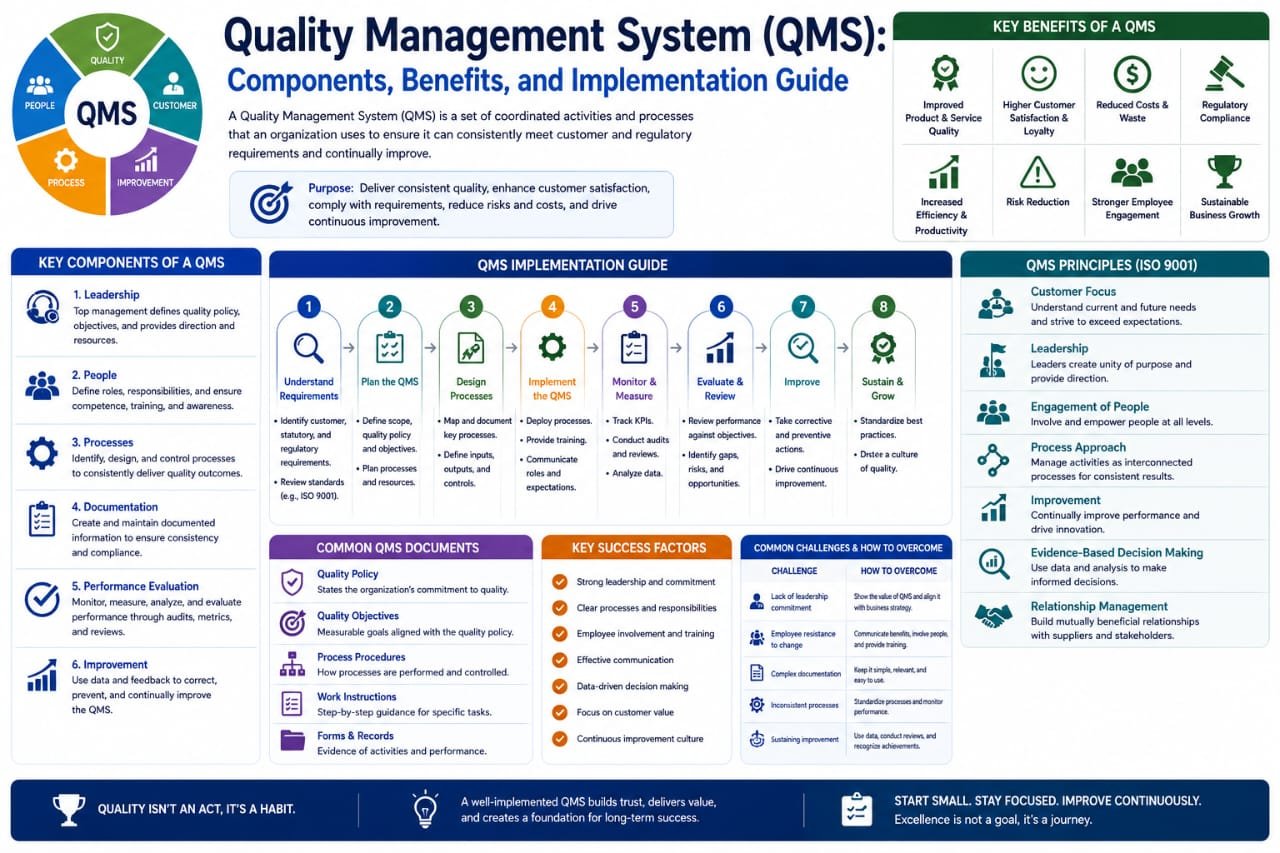
A Digital Quality Management System (QMS) encompasses software solutions that help organizations manage quality processes electronically. Unlike traditional methods that often rely on paper-based documentation and manual processes, digital QMS offers a streamlined approach. This transition to smart quality management enables manufacturers to enhance efficiency, ensure compliance, and improve overall product quality.
The Need for Digital QMS in Indian Manufacturing
The Indian manufacturing sector is diverse, ranging from automotive to textiles, each with its unique quality challenges. As global competition intensifies, the demand for high-quality standards increases. Here’s why digital QMS is becoming indispensable:
1. Enhanced Efficiency
Digital QMS automates processes such as documentation, tracking, and reporting. This automation eliminates time-consuming manual tasks, allowing teams to focus on core activities. In the Indian context, where labor costs are competitive, maximizing efficiency can significantly impact profitability.
2. Real-time Monitoring
With smart quality management, real-time data collection becomes feasible. Manufacturers can monitor production processes continuously, ensuring that any deviations from quality standards are detected and addressed promptly. This proactive approach reduces waste and improves customer satisfaction.
3. Regulatory Compliance
In India, compliance with various industry standards is crucial. Digital QMS facilitates easier adherence to regulations by maintaining comprehensive records and automating reporting processes. This ensures that manufacturers remain compliant with ISO standards and other regulatory requirements.
4. Data-Driven Decision Making
Digital QMS provides valuable insights through data analytics. Manufacturers can analyze trends, identify areas for improvement, and make informed decisions that enhance product quality. In a country like India, where the manufacturing sector is evolving, leveraging data can provide a competitive edge.
Key Features of an Effective Digital QMS
When considering the implementation of a digital QMS, it is essential to look for specific features that can significantly impact your quality management processes. Here are some key features to consider:
1. Document Management
A robust digital QMS should have a centralized document management system that allows easy access and control over quality-related documents. This feature ensures that everyone in the organization is working with the most current information.
2. Audit Management
Digital QMS should facilitate internal and external audits seamlessly. This feature helps in maintaining compliance and preparing for inspections by regulatory bodies, which is especially important for manufacturers in India.
3. CAPA (Corrective and Preventive Actions)
Implementing a digital QMS allows organizations to track CAPA systematically. This ensures that issues are not only addressed but also prevented in the future, leading to a culture of continuous improvement.
4. Training Management
Quality management relies heavily on skilled personnel. A digital QMS should include training management features to keep employee skills up to date and ensure adherence to quality standards.
Challenges in Implementing Digital QMS
While the benefits of a digital QMS are clear, the transition can pose challenges for many Indian manufacturers. Here are some common hurdles:
1. Resistance to Change
Shifting from traditional quality management practices to a digital approach can be met with resistance from employees. It is crucial to foster a culture that embraces change through training and communication.
2. Initial Investment
The initial investment in technology and training can be significant. However, when viewed as a long-term investment, the return on investment through enhanced efficiency and quality can justify the upfront costs.
3. Integration with Existing Systems
Integrating a digital QMS with existing enterprise systems can be complex. Manufacturers need to ensure compatibility and work towards a seamless integration that enhances overall operations.
Future Trends in Digital Quality Management
The future of manufacturing quality management is bright, with several trends emerging:
1. Artificial Intelligence and Machine Learning
AI and machine learning will play an increasingly vital role in quality management. These technologies can predict potential quality issues and automate decision-making processes, making smart quality management even smarter.
2. Internet of Things (IoT)
The IoT will further enhance quality management by providing real-time data from connected devices. This will enable manufacturers to monitor production quality continuously and make immediate adjustments as needed.
3. Cloud-Based Solutions
Cloud technology will continue to gain traction, allowing manufacturers to access their QMS from anywhere, ensuring flexibility and scalability. This is particularly beneficial for small and medium-sized enterprises in India.
4. Enhanced Collaboration
Future digital QMS will focus on collaboration, enabling seamless communication between different departments and external stakeholders. This holistic approach will ensure that quality management is integrated across the entire supply chain.
FAQs about Digital Quality Management Systems
Q1: What is a Digital Quality Management System (QMS)?
A Digital Quality Management System (QMS) is an electronic system that automates and manages quality processes within an organization, enhancing efficiency and compliance.
Q2: How does a digital QMS benefit manufacturers in India?
Digital QMS benefits manufacturers by improving efficiency, ensuring regulatory compliance, enabling real-time monitoring, and facilitating data-driven decision-making.
Q3: What are the challenges of implementing a digital QMS?
Challenges include resistance to change, initial investment costs, and the complexity of integrating with existing systems.
Q4: What future trends should manufacturers look out for in quality management?
Future trends include the integration of AI and machine learning, IoT applications, cloud-based solutions, and enhanced collaboration across the supply chain.
Conclusion: Embrace the Future with Digital QMS
The transition to a digital QMS is not merely a trend; it is a strategic move towards ensuring quality and competitiveness in the global market. For Indian manufacturers, embracing smart quality management is essential to thrive in the future. By implementing a digital QMS, organizations can not only enhance their operational efficiency but also build a reputation for quality that resonates with customers.
Call to Action
Are you ready to elevate your manufacturing quality management? Contact us today for a consultation on how we can help you implement a digital QMS tailored to your needs. Together, let’s shape the future of manufacturing in India!


Leave a Comment