
 Quality Management



















 IT Service Management



 Project Management



 Agile Management



 Web Development



 Cloud Computing


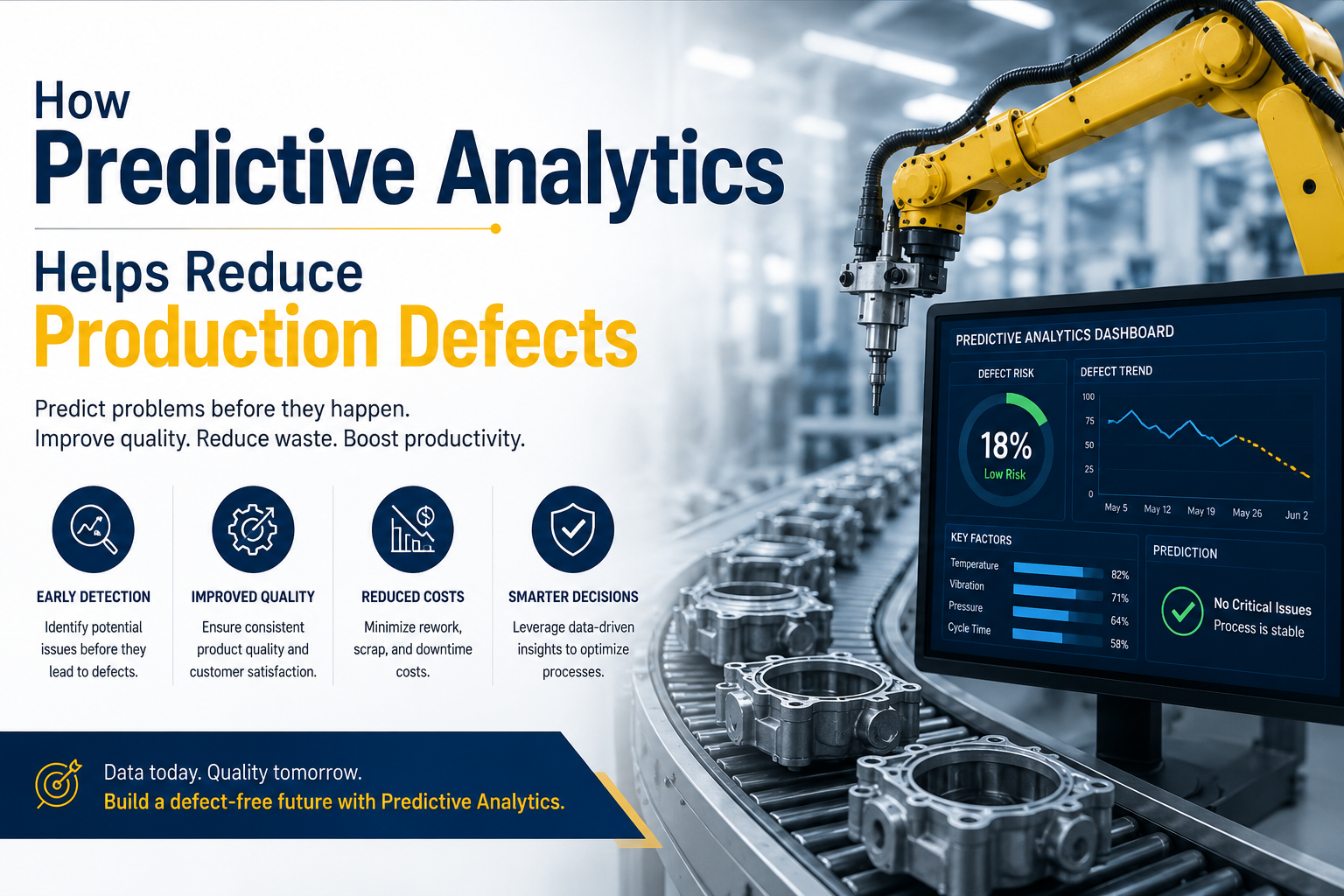
In today’s competitive manufacturing landscape, the quest for quality and efficiency has never been more critical. With the rapid advancement in technology, manufacturers are increasingly turning to predictive quality analytics to enhance their production processes. This blog explores how defect prediction through predictive analytics can significantly reduce production defects, ensuring better quality products and improved customer satisfaction.
Understanding Predictive Quality Analytics
Predictive quality analytics involves using statistical algorithms and machine learning techniques to analyze historical data and predict future outcomes. In the context of manufacturing, this means analyzing various parameters—such as raw material quality, machine performance, and environmental factors—to identify potential defects before they occur. This proactive approach not only saves time and resources but also helps maintain a high standard of quality in production.
The Importance of Defect Prediction
Defect prediction is crucial in manufacturing for several reasons:
- Cost Efficiency: Identifying defects early in the production process can prevent costly rework and scrap. This leads to more efficient use of resources and reduced production costs.
- Improved Customer Satisfaction: High-quality products lead to satisfied customers, which is essential for brand loyalty and repeat business.
- Regulatory Compliance: Many industries are subject to strict regulations regarding product quality. By minimizing defects, manufacturers can better comply with these regulations.
How Predictive Analytics Reduces Production Defects
1. Data Collection and Analysis
The first step in predictive quality analytics is collecting relevant data from various sources. This can include:
- Machine sensors that monitor performance in real-time
- Quality control reports from past production runs
- Environmental data, such as temperature and humidity levels
- Supplier quality data for raw materials
Once collected, advanced analytics tools can analyze this data to identify patterns that may indicate potential defects. For instance, a sudden spike in machine temperature could be a precursor to equipment failure, which can lead to defects in the final product.
2. Predictive Modeling
Once the data is analyzed, predictive models are created using machine learning algorithms. These models can forecast the likelihood of defects based on historical data. For example, if past data shows that a specific machine tends to produce defects after running for a certain number of hours, the predictive model can alert operators to perform maintenance before defects occur. This proactive maintenance reduces downtime and enhances production quality.
3. Continuous Monitoring
Predictive quality analytics allows for continuous monitoring of production processes. Real-time data feeds enable manufacturers to track performance and quality metrics constantly. If the system detects an anomaly, it can trigger alerts, prompting immediate investigation and corrective actions. This real-time feedback loop is essential for maintaining high-quality production and minimizing defects.
4. Root Cause Analysis
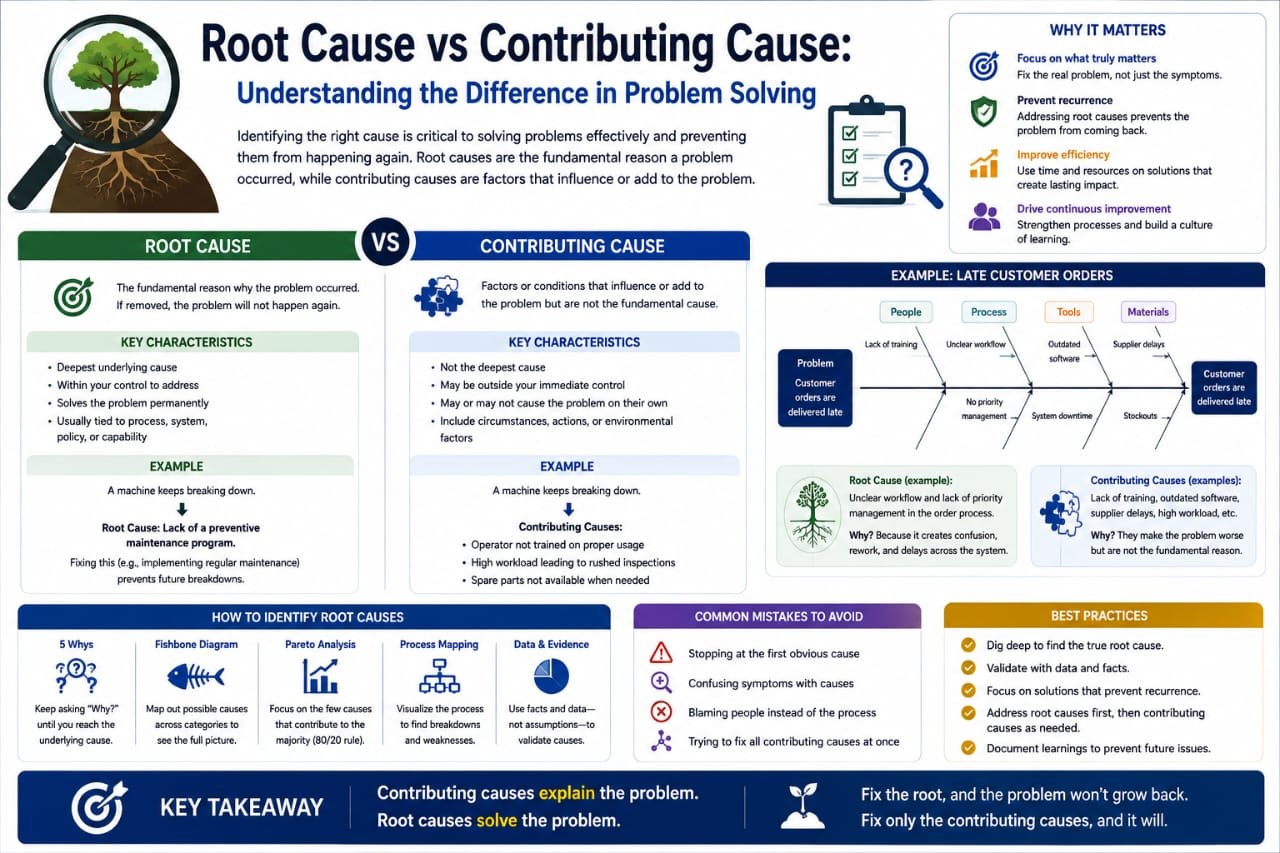
When defects do occur, predictive analytics can assist in conducting root cause analysis swiftly. By examining data from various production stages, manufacturers can identify the underlying causes of defects, whether they stem from machinery, processes, or materials. This insight allows manufacturers to implement targeted improvements, preventing similar defects in the future.
Implementing Predictive Quality Analytics in Indian Manufacturing
For manufacturers in India, the implementation of predictive quality analytics can be a game-changer. Here are some steps to consider:
1. Invest in Technology
To harness the power of predictive analytics, manufacturers must invest in the right technology. This includes data collection tools, analytics software, and machine learning platforms. Collaborating with tech providers who understand the Indian manufacturing landscape can accelerate this process.
2. Upskill Your Workforce
Implementing predictive analytics requires a skilled workforce. Investing in training programs to upskill employees in data analytics and machine learning will empower them to leverage these tools effectively. This investment not only enhances productivity but also fosters a culture of quality within the organization.
3. Start Small
For manufacturers new to predictive analytics, starting small is advisable. Focus on a specific production line or process where defects are frequent. Gradually expand the use of predictive analytics as confidence and experience grow.
4. Collaborate with Experts
Collaborating with experts in predictive analytics can provide valuable insights and guidance. Consulting firms specializing in manufacturing analytics can help tailor solutions to meet specific needs, ensuring a smoother implementation process.
Challenges and Considerations
While the benefits of predictive quality analytics are substantial, there are challenges to consider:
- Data Quality: The effectiveness of predictive analytics relies heavily on the quality of data. Manufacturers must ensure that data is accurate and comprehensive.
- Change Management: Transitioning to a data-driven approach requires a cultural shift within the organization. Resistance to change can impede the implementation process.
- Cost: The initial investment in technology and training can be significant, but the long-term savings and quality improvements often outweigh these costs.
FAQs About Predictive Quality Analytics
1. What is predictive quality analytics?
Predictive quality analytics is the use of statistical algorithms and machine learning to analyze historical data and predict future defects in manufacturing processes.
2. How does defect prediction work?
Defect prediction works by analyzing historical data to identify patterns and anomalies that may indicate potential defects, allowing manufacturers to take proactive measures.
3. What industries can benefit from predictive analytics?
Many industries, including automotive, electronics, pharmaceuticals, and food manufacturing, can benefit from predictive analytics to improve quality and reduce defects.
4. Is implementing predictive analytics expensive?
While the initial investment can be high, the long-term benefits, including reduced defects and cost savings, often justify the expense.
Conclusion
Predictive quality analytics represents a significant advancement in manufacturing, providing the tools necessary to reduce production defects effectively. By harnessing the power of data analysis and machine learning, manufacturers can improve product quality, enhance customer satisfaction, and drive operational efficiency. As Indian manufacturers embrace this technology, they will be better positioned to compete in a global market, ensuring sustainable growth and success.
If you're ready to take your manufacturing processes to the next level, consider implementing predictive quality analytics today. The journey towards defect-free production starts with data-driven decisions!
Call to Action: Interested in enhancing your manufacturing quality with predictive analytics? Contact us today to learn more about how we can help you implement these powerful tools in your production processes!


Leave a Comment