 Quality Management


















 IT Service Management



 Project Management



 Agile Management




 Web Development



 Cloud Computing


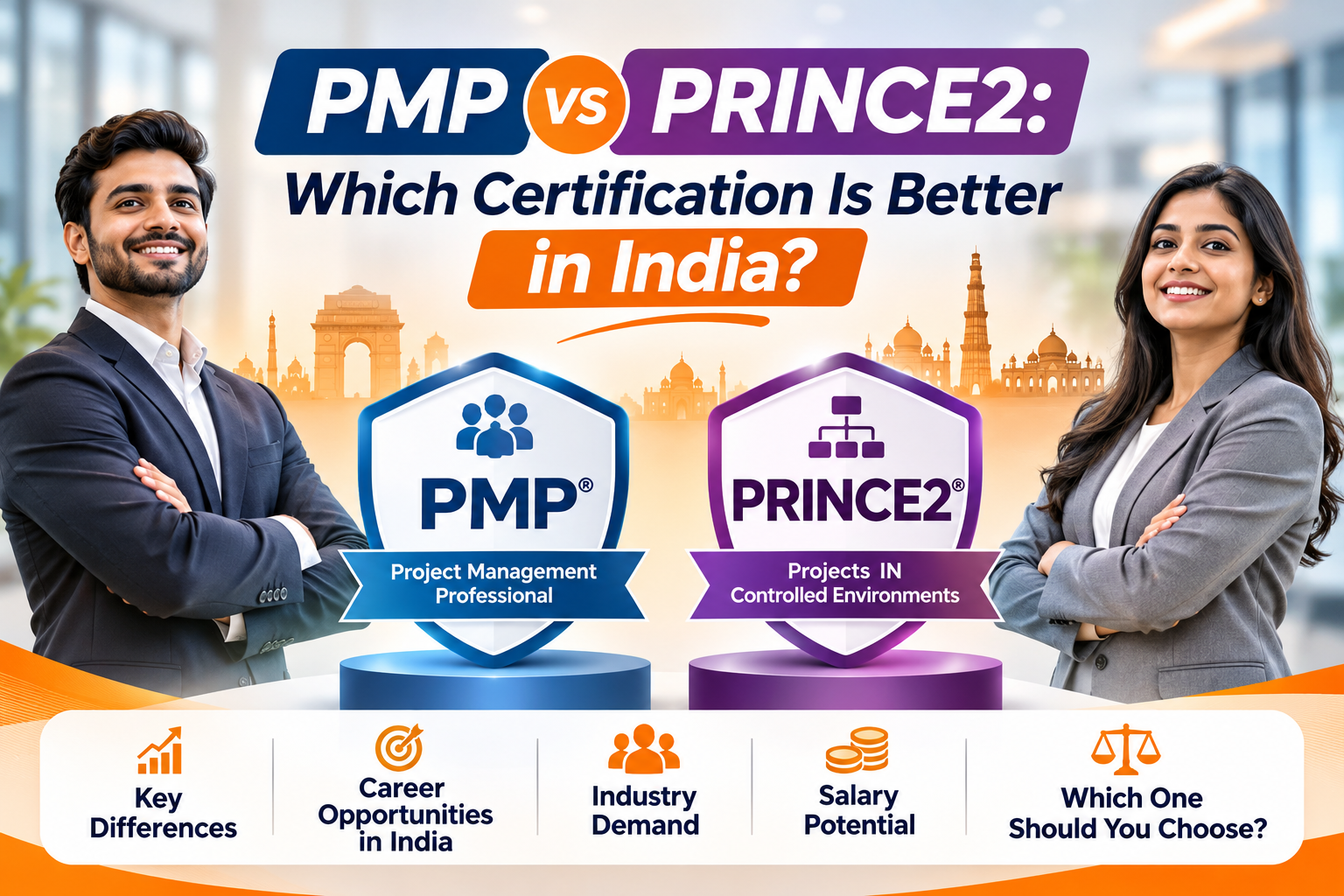
PMP and PRINCE2 are the two best-known project management certifications in the world, and Indian professionals often feel they must pick one. The truth is they are built differently: PMP tests what an experienced project manager knows and does, while PRINCE2 teaches a specific method for running and controlling projects.
This guide compares them side by side for the Indian job market, covering eligibility, exams, cost, renewal and career value, and helps you decide which one fits your situation, or whether you need both.
Quick Answer
For most experienced project managers in India, PMP is the stronger choice. It is more widely requested by Indian IT services companies, global capability centres and multinationals, and it covers predictive, agile and hybrid approaches. PRINCE2 is the better pick if you lack the experience PMP requires, work with UK, European or Australian clients or government projects, or want a structured method you can apply immediately. Many senior professionals hold both.
In this guide
The Core Difference
| PMP | PRINCE2 | |
|---|---|---|
| What it is | A professional credential proving project management knowledge and experience | A certification in a specific project management method |
| Focus | The project manager's skills: leading people, delivering work, aligning with business | How the project is organised, governed and controlled |
| Think of it as | "What a good project manager knows and does" | "A step-by-step way to run a project" |
| Awarded by | Project Management Institute (PMI), USA | PeopleCert (owner of AXELOS), originally a UK government method |
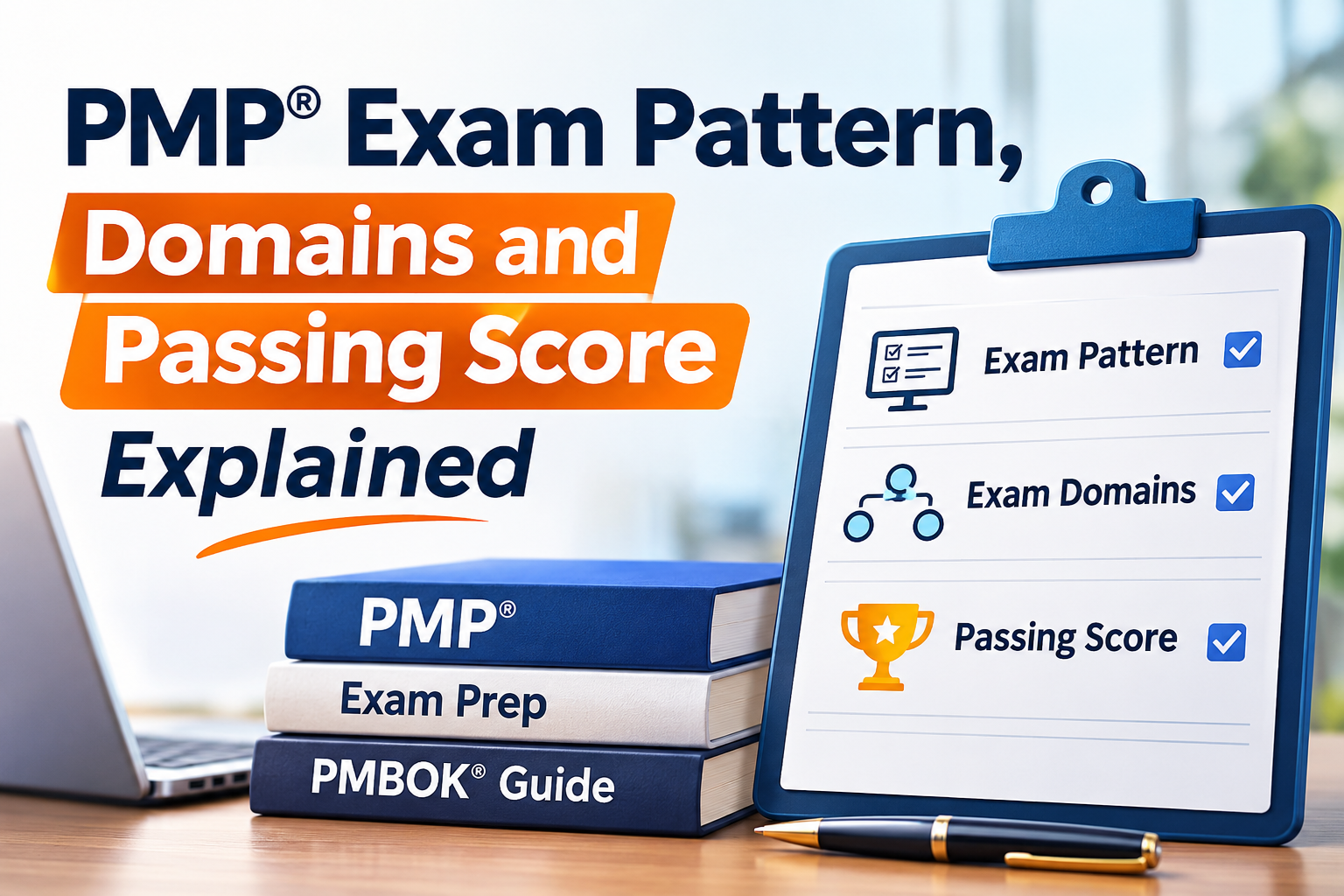
PRINCE2 is built around 7 principles, 7 practices and 7 processes, with clear roles such as the project board and project manager, and a focus on business justification, management by stages and management by exception. PMP is organised around three domains: People, Process and Business Environment. It covers predictive, agile and hybrid ways of working. Our guide to the PMP exam pattern and domains explains these in detail.
PMP vs PRINCE2 Side by Side
| Factor | PMP | PRINCE2 (Foundation + Practitioner) |
|---|---|---|
| Experience needed | 24–60 months leading projects, depending on education (36 months with a bachelor's degree) | None for Foundation |
| Training needed | 35 contact hours (or CAPM) | Usually taken through an accredited training course |
| Levels | One exam | Foundation, then Practitioner |
| Difficulty | High: long, scenario-based exam | Foundation: moderate; Practitioner: moderate to high |
| Approaches covered | Predictive, agile and hybrid (about 60% agile/hybrid) | The PRINCE2 method, which can be tailored; agile is covered separately by PRINCE2 Agile |
| Typical preparation | 6–12 weeks alongside work | A few days to a few weeks for both levels |
| Validity and renewal | 3 years; renew with 60 PDUs and a renewal fee | 3 years; renew through continuing development or by retaking the exam |
| Strongest in | USA, Middle East, India, much of Asia | UK, Europe, Australia, and public-sector projects |
For PMP rules in detail, see PMP eligibility requirements. For a full fee breakdown, see PMP certification cost in India. PRINCE2 fees in India vary by provider and are usually bundled with training and exam vouchers, so compare what each package includes.
Exam Format Compared
| PMP | PRINCE2 7 Foundation | PRINCE2 7 Practitioner | |
|---|---|---|---|
| Questions | 180 (170 scored) | 60 multiple choice | Scenario-based, 70 marks |
| Duration | 240 minutes | 60 minutes | 150 minutes |
| Book policy | Closed book | Closed book | Open book (official manual) |
| Pass mark | Not published; rated by domain | 60% (36/60) | 60% (42/70) |
| Prerequisite | Experience + 35 hours | None | Foundation, or another accepted credential such as PMP |
Sources: PMI PMP Examination Content Outline (2026); PRINCE2 7 exam details as published by PeopleCert. Checked November 2026.
Note that a valid PMP is accepted as a prerequisite for PRINCE2 Practitioner, so PMP holders can go straight to Practitioner if they want to add PRINCE2.
Demand in the Indian Job Market
A quick search on Naukri or LinkedIn for project manager roles in Bengaluru, Pune, Hyderabad or the NCR shows PMP mentioned far more often than PRINCE2. That reflects who is hiring:
- IT services and GCCs serving US clients usually ask for PMP, often alongside agile certifications.
- Teams serving UK, European or Australian clients are more likely to value PRINCE2, because their clients use it.
- Infrastructure, construction and engineering firms in India and the Middle East tend to prefer PMP.
- Government and public-sector consulting projects with international funding sometimes specify PRINCE2.
Before choosing, check 15–20 job descriptions for the roles you actually want. That is the most reliable guide for your situation.
Which Should You Choose?
| Choose PMP if… | Choose PRINCE2 if… |
|---|---|
|
|
By career stage
- 0–2 years of experience: PRINCE2 Foundation or CAPM. Both have no experience requirement. CAPM also counts as the 35 hours for PMP later.
- 3–8 years leading projects: PMP is usually the bigger career step in India.
- Senior managers and PMO leads: PMP plus PRINCE2 Practitioner, or move on to PgMP for programme management.
Should You Get Both?
They complement each other well. PMP gives you broad knowledge and recognised experience; PRINCE2 gives you a clear governance structure to apply on real projects. A common path is:
- Start with PRINCE2 Foundation or CAPM early in your career
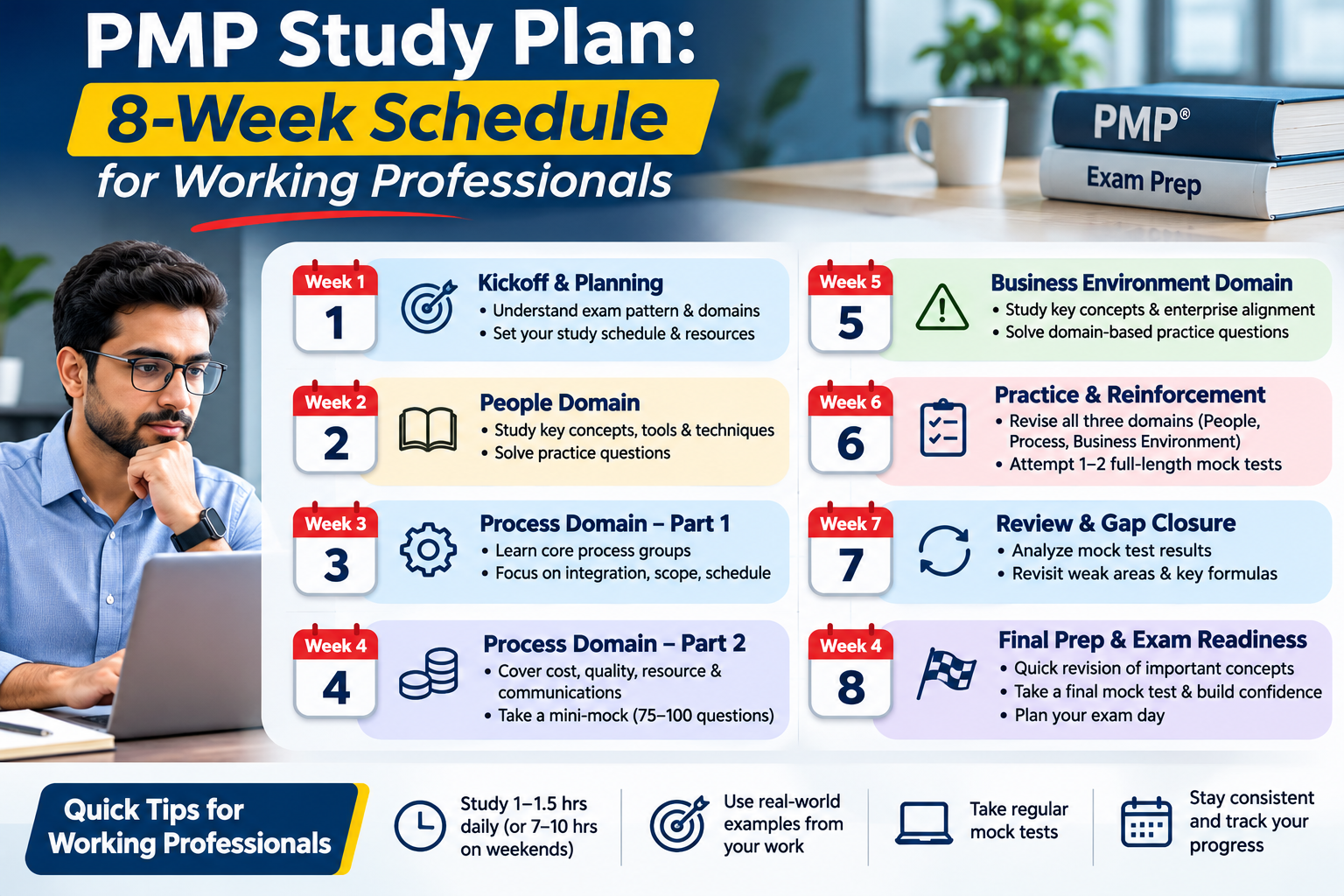
- Earn PMP once you have enough experience (see our 8-week PMP study plan)
- Add PRINCE2 Practitioner if you work with UK or European clients, using your PMP as the prerequisite
PRINCE2 study also earns PDUs toward your PMP renewal. Adding process improvement skills helps too, as explained in Lean Six Sigma for project managers.
Start your project management certification
Haworth Solutions offers live online training for both certifications, with mock tests and exam guidance.
PMP Course PRINCE2 Foundation CourseGoing for PMP? Read how to fill the PMP application with sample experience descriptions.
Frequently Asked Questions
Which is better in India, PMP or PRINCE2?
For most experienced project managers in India, PMP is more widely requested by employers. PRINCE2 is more valuable if you work with UK, European or Australian clients, or on government-funded projects.
Is PRINCE2 easier than PMP?
Generally yes. PRINCE2 Foundation has no prerequisites and a one-hour exam. PMP requires years of experience, 35 hours of training, and a four-hour scenario-based exam.
Can a fresher do PRINCE2?
Yes. PRINCE2 Foundation has no experience requirement, which makes it a good option for freshers and early-career professionals. CAPM is another option.
Can I take PRINCE2 Practitioner without Foundation?
Yes, if you hold another accepted credential. PeopleCert accepts certain project management certifications, including PMP, as a prerequisite for Practitioner.
Do PMP and PRINCE2 need renewal?
Yes. Both are valid for three years. PMP is renewed by earning 60 PDUs and paying a fee; PRINCE2 is renewed through continuing professional development or by retaking the exam.
Does PRINCE2 cover agile?
PRINCE2 can be tailored to different environments, and there is a separate PRINCE2 Agile certification. PMP covers agile and hybrid directly, with about 60% of its exam on those approaches.

Leave a Comment