
 Quality Management



















 IT Service Management



 Project Management



 Agile Management




 Web Development



 Cloud Computing


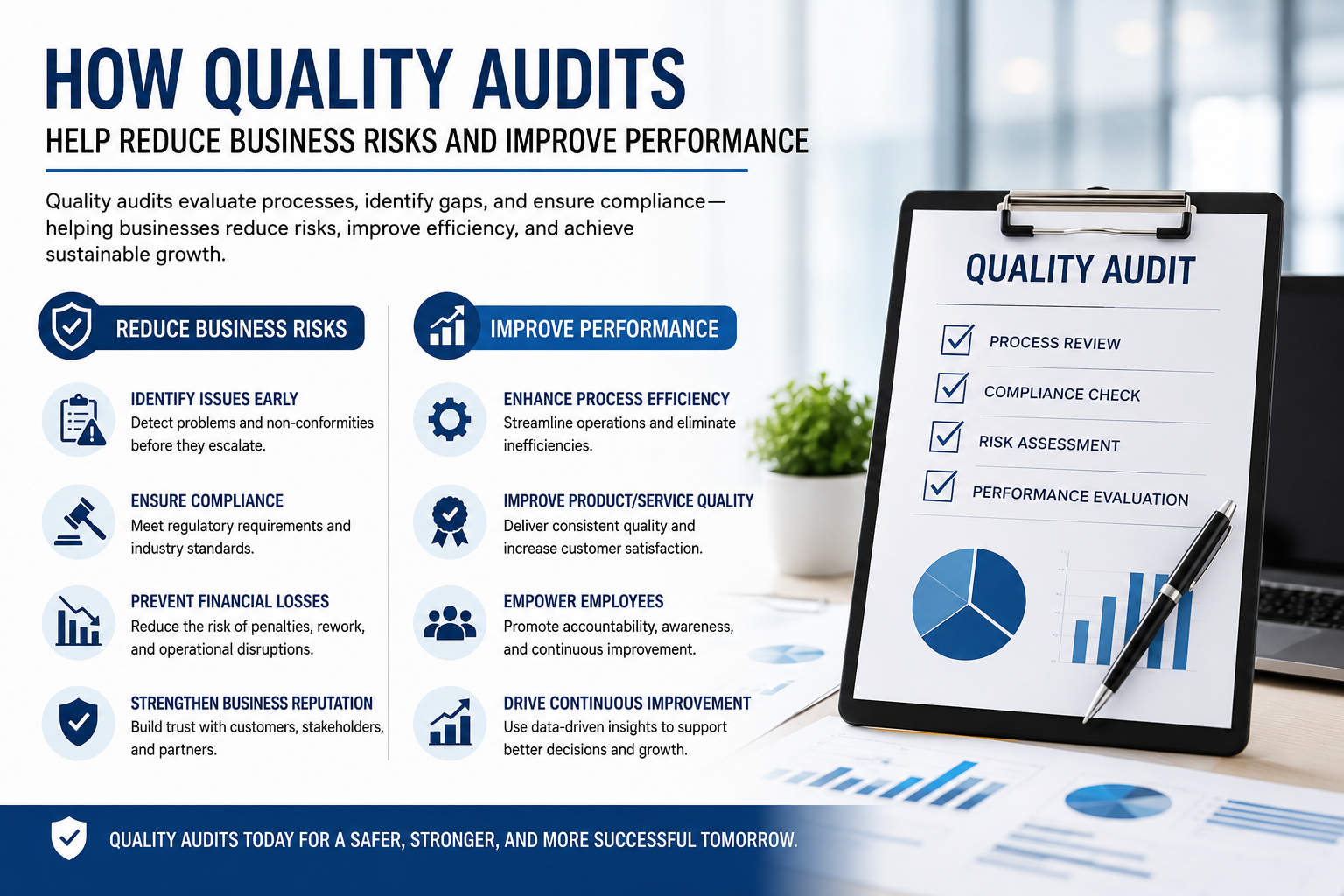
In an increasingly competitive business landscape, organizations in India are recognizing the importance of quality audits as a pivotal part of their risk management strategies. A quality audit not only helps in assessing compliance with regulatory standards but also serves as a cornerstone for quality improvement and operational excellence. In this article, we will explore how quality audits can effectively reduce business risks and improve overall performance.
Understanding Quality Audits
Quality audits entail a systematic examination of a company’s quality management system (QMS) against its defined policies and objectives. The goal is to ensure that the organization is adhering to its quality standards and regulatory requirements. By conducting regular compliance audits, businesses can identify areas for improvement and mitigate risks that could adversely affect their operations.
Importance of Risk Management in Business
Effective risk management is paramount for businesses striving for longevity and success. In the Indian context, companies face numerous challenges, including regulatory compliance, economic fluctuations, and competitive pressures. By integrating quality audits into their risk management framework, organizations can proactively identify vulnerabilities and implement strategies to address them.
The Role of Quality Audits in Risk Management
Quality audits play a crucial role in risk management by:
- Identifying Risks: Regular audits help in pinpointing potential risks within business processes, allowing organizations to take corrective measures before issues escalate.
- Enhancing Compliance: Compliance audits ensure that businesses adhere to industry standards and regulations, thereby minimizing the risk of legal penalties.
- Improving Processes: By evaluating operational processes, quality audits uncover inefficiencies that can be rectified to enhance performance and reduce risks.
Quality Improvement through Audits
Quality improvement is not merely about meeting standards; it’s about exceeding them. Quality audits facilitate this by providing a structured approach to evaluate and enhance processes. Here’s how quality audits contribute to quality improvement:
1. Continuous Feedback Loop
Quality audits create a feedback loop that encourages continuous improvement. By regularly assessing processes, organizations can adapt and refine their strategies to achieve higher quality outcomes.
2. Employee Engagement
Involving employees in the audit process fosters a culture of quality. When team members understand the importance of quality improvement, they are more likely to engage actively in initiatives that enhance performance.
3. Data-Driven Decision Making
Quality audits provide valuable data that organizations can leverage to make informed decisions. By analyzing audit findings, businesses can prioritize areas for improvement and allocate resources more effectively.
Operational Excellence through Quality Audits
Operational excellence is the execution of the business strategy more consistently and reliably than the competition. Quality audits are instrumental in achieving operational excellence by:
1. Streamlining Processes
Audits help identify bottlenecks and redundancies in business processes. By streamlining these processes, organizations can enhance efficiency and reduce operational costs.
2. Enhancing Customer Satisfaction
Quality audits ensure that products and services meet customer expectations. By focusing on quality, businesses can improve customer satisfaction, leading to increased loyalty and repeat business.
3. Building a Stronger Brand Reputation
Consistently high quality builds a strong brand reputation. Regular quality audits help maintain these standards, enabling businesses to gain a competitive edge in the market.
Compliance Audits: A Necessary Component
In India, compliance with various regulations is critical for business sustainability. Compliance audits assess whether organizations are adhering to legal and regulatory requirements, thus mitigating the risk of penalties and reputational damage.
1. Understanding Regulatory Requirements
Compliance audits require a thorough understanding of applicable regulations. Businesses must stay updated on changes in legislation, which can be facilitated through regular audits.
2. Avoiding Legal Repercussions
Non-compliance can lead to severe legal repercussions. By conducting compliance audits, organizations can identify potential areas of non-conformance and address them proactively.
Implementing an Effective Quality Audit Process
To harness the full potential of quality audits, organizations in India should follow a structured approach:
1. Define Objectives
Clearly outline the objectives of the audit process. This helps in aligning the audit with the overall business strategy.
2. Select the Right Team
Choose an audit team with the right expertise and experience. Their insights will be crucial in identifying risks and recommending improvements.
3. Conduct Regular Audits
Establish a schedule for regular audits. Consistency is key to ensuring ongoing compliance and quality improvement.
4. Act on Findings
Audit findings should translate into actionable insights. Develop an action plan to address identified issues and track progress.
FAQs
What is the difference between a quality audit and a compliance audit?
A quality audit focuses on evaluating the effectiveness of a company’s quality management system, while a compliance audit assesses adherence to regulations and industry standards.
How often should quality audits be conducted?
The frequency of quality audits depends on the industry and specific organizational needs. However, regular audits, at least annually, are recommended to ensure ongoing compliance and improvement.
Can small businesses benefit from quality audits?
Absolutely! Quality audits can help small businesses identify risks, improve processes, and enhance customer satisfaction, ultimately leading to better performance.
What are the key components of a successful quality audit?
Key components include clear objectives, a skilled audit team, a well-structured audit plan, regular audits, and a commitment to acting on findings.
Conclusion
Quality audits are not merely a checkbox exercise but a strategic tool that can significantly reduce business risks and enhance performance. By embracing quality audits within their risk management strategies, organizations in India can achieve operational excellence, improve compliance, and foster a culture of continuous improvement. Start your quality audit journey today and elevate your business to new heights!
Call to Action: Ready to enhance your business processes through quality audits? Contact us today to learn more about our quality management solutions tailored for Indian businesses!



Leave a Comment