
 Quality Management


















 IT Service Management



 Project Management



 Agile Management



 Web Development



 Cloud Computing


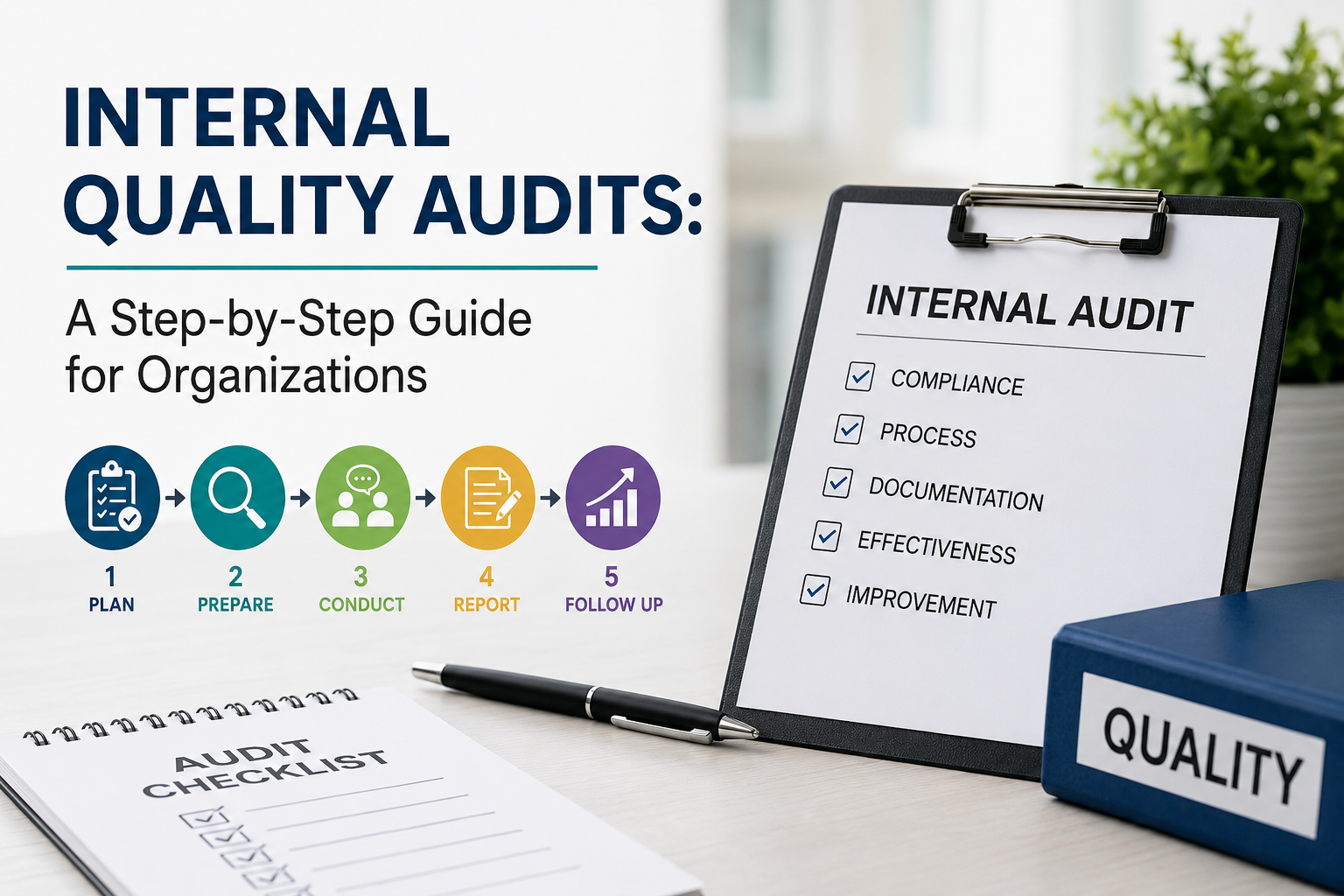
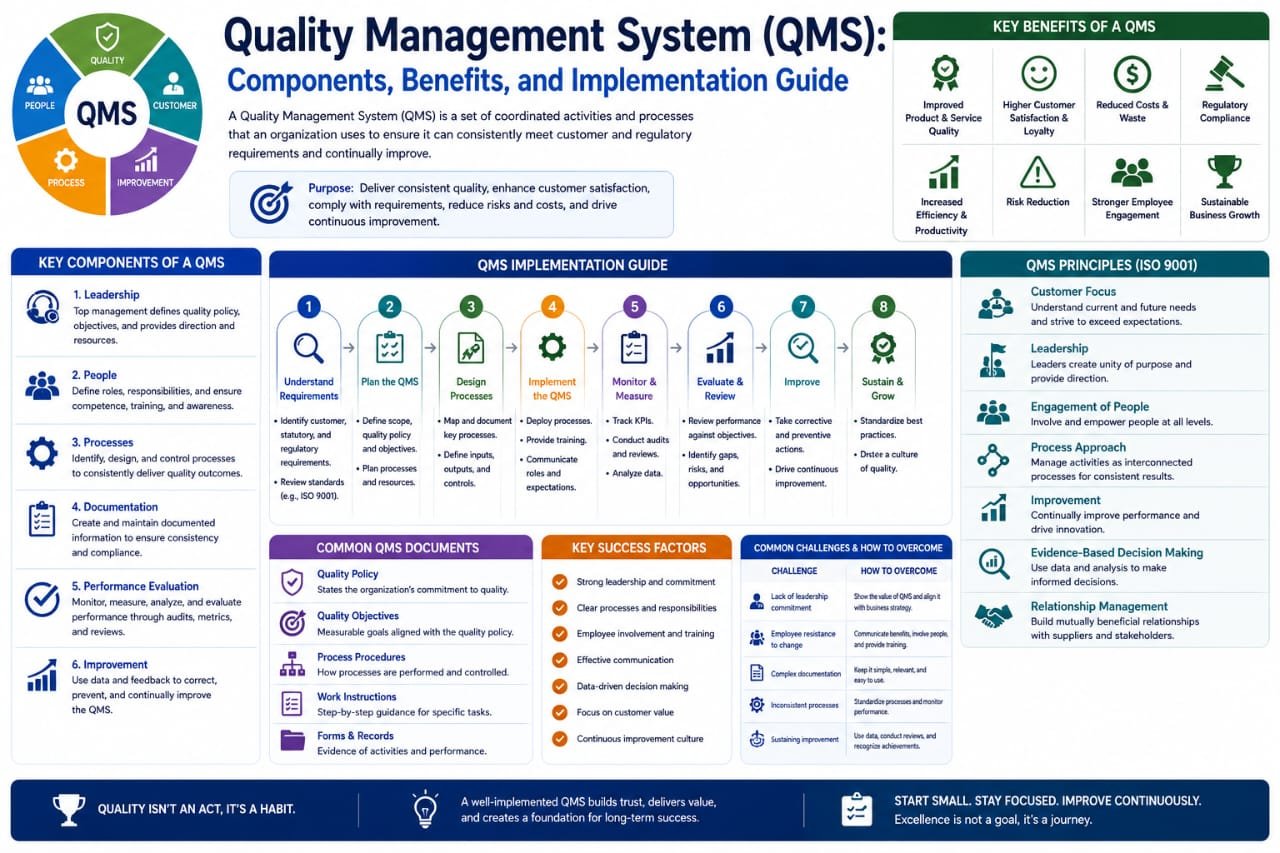
In today's competitive business landscape, ensuring quality is paramount for organizational success. Internal quality audits play a crucial role in maintaining and enhancing the quality of processes within an organization. This detailed guide will walk you through the internal audit process, provide a comprehensive quality audit checklist, and highlight the importance of audit planning and compliance.
What is an Internal Quality Audit?
An internal quality audit is a systematic examination of an organization's quality management system to determine its effectiveness, compliance, and continuous improvement. Conducted by internal quality auditors, this process helps identify areas of improvement and ensures that the organization adheres to its established quality standards.
The Importance of Internal Quality Audits
Internal quality audits serve multiple purposes:
- Compliance: They ensure that the organization complies with industry standards and regulations.
- Continuous Improvement: Audits identify gaps and areas for enhancement, fostering a culture of continuous improvement.
- Risk Management: By identifying potential risks, organizations can take proactive measures to mitigate them.
- Stakeholder Confidence: Regular audits build trust among stakeholders, including clients, suppliers, and regulatory bodies.
Step-by-Step Guide to the Internal Audit Process
Step 1: Audit Planning
The first step in the internal audit process is effective audit planning. This involves defining the scope, objectives, and criteria of the audit. Consider the following:
- Scope: Determine which processes, departments, or functions will be audited.
- Objectives: Clearly outline what you aim to achieve through the audit.
- Criteria: Establish the standards against which the audit will be conducted.
Step 2: Developing an Internal Quality Audit Checklist
A quality audit checklist is a vital tool that ensures a comprehensive evaluation of the organization's processes. Here are some key components to include in your checklist:
- Process Documentation: Verify that all processes are documented and up to date.
- Compliance with Standards: Check adherence to relevant ISO standards or industry-specific regulations.
- Process Performance: Evaluate the efficiency and effectiveness of each process.
- Corrective Actions: Ensure that previous audit findings have been addressed and corrective actions implemented.
Step 3: Conducting the Audit
With a solid audit plan and checklist in place, it's time to conduct the audit. Here’s how:
- Gather Evidence: Collect data through interviews, observations, and document reviews.
- Engage with Staff: Involve employees at all levels to gain insights and foster a collaborative environment.
- Document Findings: Record all findings accurately, including both strengths and areas for improvement.
Step 4: Reporting Audit Results
After conducting the audit, the next crucial step is to report the findings. An effective audit report should include:
- Executive Summary: A concise overview of the audit process and findings.
- Detailed Findings: Specific observations categorized by compliance, non-compliance, and opportunities for improvement.
- Recommendations: Practical suggestions for addressing identified issues.
- Action Plan: Outline the steps for corrective actions and timelines for implementation.
Step 5: Follow-Up and Continuous Improvement
The internal audit process does not end with reporting. Continuous improvement requires follow-up to ensure that corrective actions are implemented effectively. Consider the following:
- Action Tracking: Monitor the progress of corrective actions and verify their implementation.
- Review and Revise: Regularly update the audit checklist and processes based on feedback and changing standards.
- Train Staff: Provide ongoing training to staff to ensure awareness and understanding of quality standards.
Best Practices for Internal Quality Audits
To maximize the effectiveness of your internal quality audits, consider these best practices:
- Involve Leadership: Ensure that top management is engaged in the audit process to demonstrate commitment to quality.
- Maintain Objectivity: The audit team should remain impartial and objective throughout the process.
- Encourage Open Communication: Create an environment where employees feel comfortable discussing issues and providing feedback.
- Leverage Technology: Utilize audit management software to streamline the audit process and enhance data analysis.
FAQs about Internal Quality Audits
1. What is the difference between an internal audit and an external audit?
An internal audit is conducted by an organization's own staff to assess internal processes and compliance, while an external audit is performed by an independent third party to evaluate the financial statements and compliance with regulations.
2. How often should internal quality audits be conducted?
The frequency of internal quality audits depends on various factors, including industry standards, organizational changes, and previous audit findings. However, it is generally recommended to conduct audits at least annually.
3. What qualifications should an internal quality auditor have?
An internal quality auditor should possess relevant qualifications in quality management, such as ISO certifications, along with strong analytical skills, attention to detail, and experience in the specific industry.
4. Can small businesses benefit from internal quality audits?
Absolutely! Internal quality audits can help small businesses identify inefficiencies, improve processes, and ensure compliance, ultimately leading to better customer satisfaction and business growth.
Conclusion
Conducting internal quality audits is essential for organizations striving to maintain high standards and achieve continuous improvement. By following the step-by-step guide outlined in this article, you can effectively implement a robust internal audit process tailored to your organization’s needs.
If you're ready to enhance your organization's quality management system, start implementing internal quality audits today! Contact us for expert assistance in audit planning and compliance.


Leave a Comment