
 Quality Management



















 IT Service Management



 Project Management



 Agile Management




 Web Development



 Cloud Computing


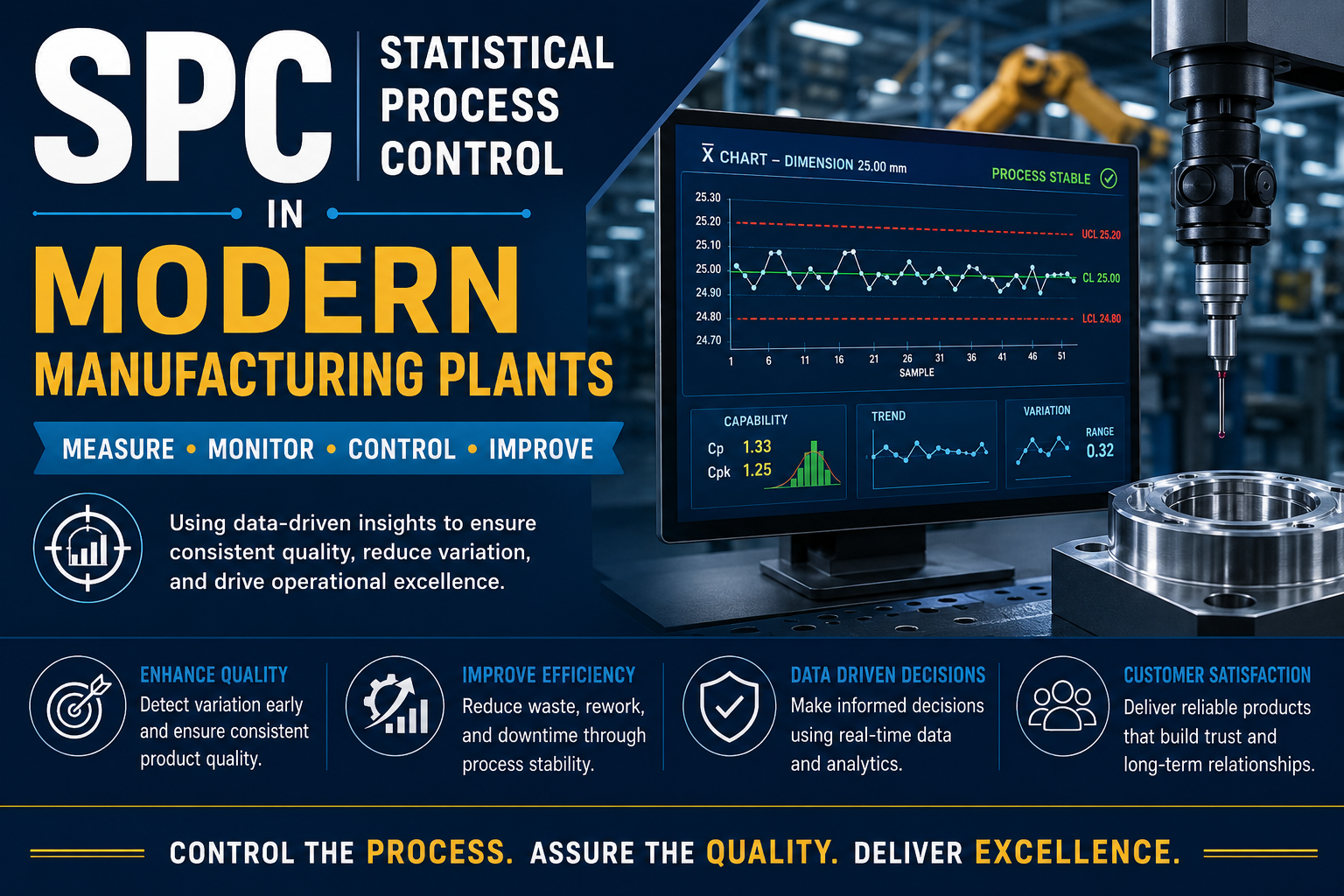
In the rapidly evolving landscape of manufacturing, Statistical Process Control (SPC) has emerged as a vital methodology for ensuring quality and efficiency. With the increasing pressure to deliver defect-free products, Indian manufacturers are turning to SPC implementation as a reliable solution. In this blog, we will explore the significance of SPC, its applications in modern manufacturing plants, and provide real-world statistical process control examples that highlight its effectiveness.
What is Statistical Process Control (SPC)?
Statistical Process Control (SPC) is a data-driven methodology used to monitor and control production processes through statistical analysis. By using various statistical tools and techniques, manufacturers can track variations in processes, identify trends, and make informed decisions to enhance product quality. The primary goal of SPC is to minimize variability and eliminate defects in manufacturing processes.
Importance of SPC Implementation in Manufacturing
In the Indian manufacturing industry, where competition is fierce and quality expectations are soaring, SPC implementation offers several benefits:
1. Enhanced Quality Management
SPC helps in maintaining consistent product quality by monitoring the process in real-time. By identifying variations early, manufacturers can take corrective actions before defects occur, thus reducing rework and scrap rates.
2. Increased Efficiency
By utilizing SPC, manufacturers can streamline their processes, reducing waste and improving overall efficiency. Efficient processes lead to lower operational costs and higher profit margins.
3. Data-Driven Decision Making
SPC provides valuable insights through data analysis. It empowers manufacturers to make informed decisions based on real-time data rather than assumptions, thereby enhancing the effectiveness of their strategies.
4. Regulatory Compliance
In industries with strict regulatory requirements, SPC helps manufacturers comply with quality standards and regulations, ensuring that their products meet the necessary specifications.
Steps for Successful SPC Implementation
Implementing SPC in a manufacturing environment requires a structured approach. Here are the essential steps for successful SPC implementation:
Step 1: Identify Critical Processes
Begin by identifying the processes that are crucial for product quality. Focus on those that have the most significant impact on customer satisfaction and business outcomes.
Step 2: Collect Data
Gather data related to the identified processes. This data may include measurements, production counts, and defect rates. The more comprehensive the data collection, the better insights you will gain.
Step 3: Choose Appropriate Control Charts
Control charts are essential tools in SPC. Select the appropriate type of control chart (e.g., X-bar chart, R-chart, P-chart) based on the nature of the data you are analyzing.
Step 4: Analyze the Data
Use statistical methods to analyze the collected data. Identify trends, patterns, and variations that could indicate potential issues in the manufacturing process.
Step 5: Implement Control Measures
Based on your analysis, implement control measures to address any identified issues. This may involve process adjustments, employee training, or equipment upgrades.
Step 6: Continuous Monitoring
SPC is not a one-time initiative; it requires continuous monitoring. Regularly review the control charts and data to ensure that the process remains stable and within acceptable limits.
Statistical Process Control Examples in India
To understand the practical applications of SPC, let’s look at some real-life examples of SPC implementation in Indian manufacturing plants:
Example 1: Automotive Industry
A leading automobile manufacturer in India implemented SPC to control the quality of their engine components. By using control charts, they monitored the dimensions of critical parts during production. This allowed them to detect variations early and make adjustments, resulting in a significant reduction in defects and warranty claims.
Example 2: Pharmaceuticals
In a pharmaceutical plant, SPC was employed to monitor the mixing and granulation processes. By analyzing the data using X-bar and R-charts, the company was able to maintain consistent quality in their products, ensuring compliance with stringent regulatory standards.
Example 3: Electronics Manufacturing
An electronics manufacturer adopted SPC to improve the assembly process of circuit boards. By tracking defect rates and using Pareto analysis, they identified the most common defects and implemented targeted training for assembly workers. This resulted in a 30% reduction in defects over six months.
Challenges in SPC Implementation
While SPC offers numerous benefits, manufacturers may face challenges during its implementation:
1. Resistance to Change
Employees may resist the changes that come with SPC implementation. It is crucial to involve them in the process and provide adequate training.
2. Data Collection Issues
Accurate and timely data collection is essential for effective SPC. Manufacturers must invest in reliable data collection methods and tools.
3. Complexity of Analysis
Statistical analysis can be complex, and manufacturers may require skilled personnel to interpret the data effectively. Investing in training or consulting can help overcome this challenge.
FAQs about SPC Implementation
Q1: What industries can benefit from SPC implementation?
SPC can benefit various industries including automotive, pharmaceuticals, electronics, food processing, and textiles by improving product quality and operational efficiency.
Q2: How long does it take to see results from SPC implementation?
Results can vary, but companies typically see improvements within a few months of effective SPC implementation, depending on the complexity of the processes involved.
Q3: Is SPC suitable for small manufacturing businesses?
Yes, SPC is suitable for businesses of all sizes. Small manufacturers can also benefit from the efficiencies and quality improvements that SPC provides.
Q4: Are there software tools available for SPC?
Yes, there are several software tools available for SPC that assist in data collection, analysis, and visualization of control charts, making it easier for manufacturers to implement SPC.
Conclusion
In conclusion, SPC implementation is a powerful strategy for modern manufacturing plants in India. By leveraging statistical methods, manufacturers can enhance quality, reduce costs, and improve overall efficiency. Through real-world examples, we can see how SPC has made a tangible impact on various industries. If you're considering implementing SPC in your manufacturing processes, start by identifying critical processes and following the structured steps outlined in this blog.
Ready to elevate your manufacturing quality? Contact us today to learn more about effective SPC implementation tailored for your business!





Leave a Comment