
 Quality Management



















 IT Service Management



 Project Management


 Agile Management



 Web Development


 Cloud Computing


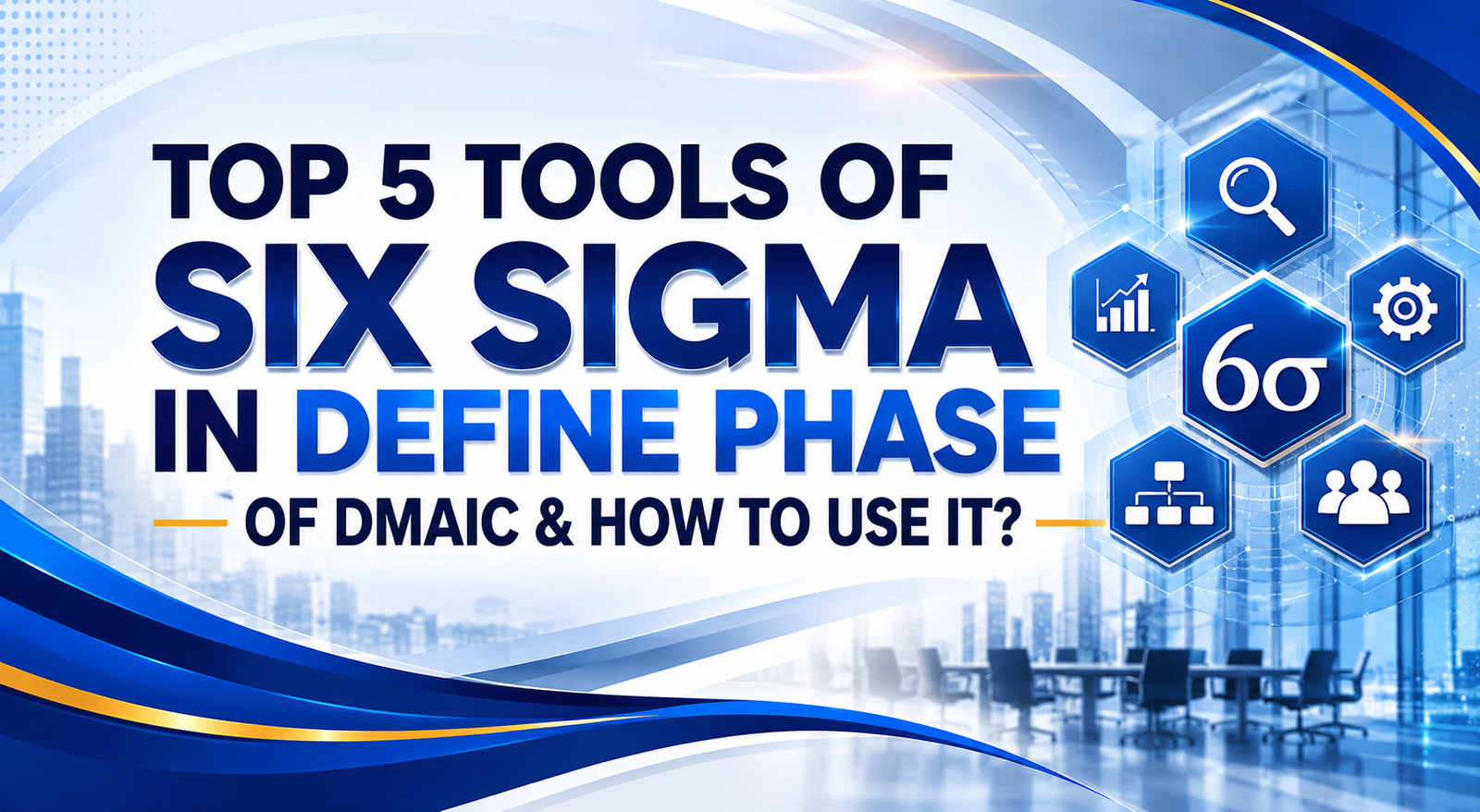
In the world of quality management, Six Sigma stands out as a powerful methodology for improving processes and reducing defects. The DMAIC (Define, Measure, Analyze, Improve, Control) framework is a core part of Six Sigma, and the Define phase sets the stage for successful project execution. In this article, we will explore the Top 5 Tools of Six Sigma in Define Phase of DMAIC, how to use these tools effectively, and their significance in delivering quality improvement in organizations.
Understanding the Define Phase of DMAIC
The Define phase is the first step in the DMAIC process, where the project team identifies the problem, defines project goals, and outlines customer requirements. This phase is crucial because it lays the foundation for the subsequent phases. The tools used in this phase help to clarify objectives, ensure alignment with customer needs, and establish a clear project scope.
Top 5 Tools of Six Sigma in Define Phase
The following are the 5 tools of Define Phase that are essential for effective project planning and execution:
1. Project Charter
The Project Charter is a critical document that defines the scope, objectives, and deliverables of the Six Sigma project. It serves as a reference point throughout the project lifecycle.
How to Use the Project Charter
- Define the Problem: Clearly articulate the problem that needs to be solved.
- Set Goals: Establish measurable goals that are aligned with customer needs.
- Identify Team Members: Specify the roles and responsibilities of team members involved in the project.
- Outline Timeline: Create a timeline for project milestones and deliverables.
2. Voice of the Customer (VoC)
The Voice of the Customer (VoC) tool helps gather customer requirements and expectations. Understanding the needs and wants of customers is essential for delivering quality products and services.
How to Use VoC
- Conduct Surveys: Use questionnaires to collect feedback directly from customers.
- Focus Groups: Organize discussions with a group of customers to gain insights on their preferences.
- Customer Interviews: Engage with customers one-on-one to explore their experiences and expectations.
3. SIPOC Diagram
The SIPOC (Suppliers, Inputs, Process, Outputs, Customers) diagram provides a high-level overview of the process, helping teams to visualize and understand the interrelationships between different components.
How to Use SIPOC
- Identify Suppliers: List all suppliers providing inputs to the process.
- Define Inputs: Specify the materials and information required for the process.
- Outline the Process: Describe the key steps involved in the process.
- Determine Outputs: State the final products or services delivered to customers.
- Identify Customers: Specify the end-users of the process outputs.
4. Problem Statement
A well-defined problem statement succinctly outlines the issue at hand, serving as a guiding light throughout the project. It should be clear, concise, and actionable.
How to Use Problem Statement
- Be Specific: Clearly describe the problem without ambiguity.
- Quantify the Impact: Include metrics or data that highlight the significance of the problem.
- Time Frame: Specify when the problem occurs or when it was first identified.
5. Stakeholder Analysis
Stakeholder analysis helps identify all parties affected by the project, ensuring their needs and expectations are considered. This tool is vital for gaining support and commitment throughout the project.
How to Use Stakeholder Analysis
- Identify Stakeholders: List all individuals or groups who have an interest in the project.
- Assess Influence: Evaluate the level of influence each stakeholder has on the project.
- Determine Needs: Understand the expectations and requirements of each stakeholder.
- Develop Communication Plan: Create a strategy for keeping stakeholders informed and engaged.
Conclusion
Implementing the Top 5 Tools of Six Sigma in Define Phase of DMAIC effectively sets the foundation for a successful project. By utilizing tools like Project Charter, Voice of the Customer, SIPOC Diagram, Problem Statement, and Stakeholder Analysis, teams can ensure clarity, alignment, and focus on customer needs. As you embark on your Six Sigma journey, make sure to leverage these tools to drive quality improvement and achieve measurable results.
FAQs
1. What is the purpose of the Define phase in DMAIC?
The Define phase aims to clearly identify the problem, set project goals, and understand customer needs, laying the groundwork for subsequent phases in the DMAIC process.
2. How do I create an effective Project Charter?
To create an effective Project Charter, ensure it includes a clear problem statement, defined goals, team roles, and a project timeline.
3. Why is the Voice of the Customer important?
The Voice of the Customer is critical because it helps organizations understand customer needs and expectations, which is essential for delivering quality products and services.
4. How can SIPOC diagrams benefit my project?
SIPOC diagrams provide a high-level overview of the process, helping teams visualize relationships between suppliers, inputs, processes, outputs, and customers, thereby enhancing clarity and focus.
Call to Action
If you’re looking to enhance your organization’s process improvement efforts, consider implementing the Top 5 Tools of Define Phase in your next Six Sigma project. Start your journey towards quality excellence today! For more insights and guidance on Six Sigma methodologies, subscribe to our newsletter or contact us for personalized training sessions.




Leave a Comment