
 Quality Management



















 IT Service Management



 Project Management



 Agile Management




 Web Development



 Cloud Computing


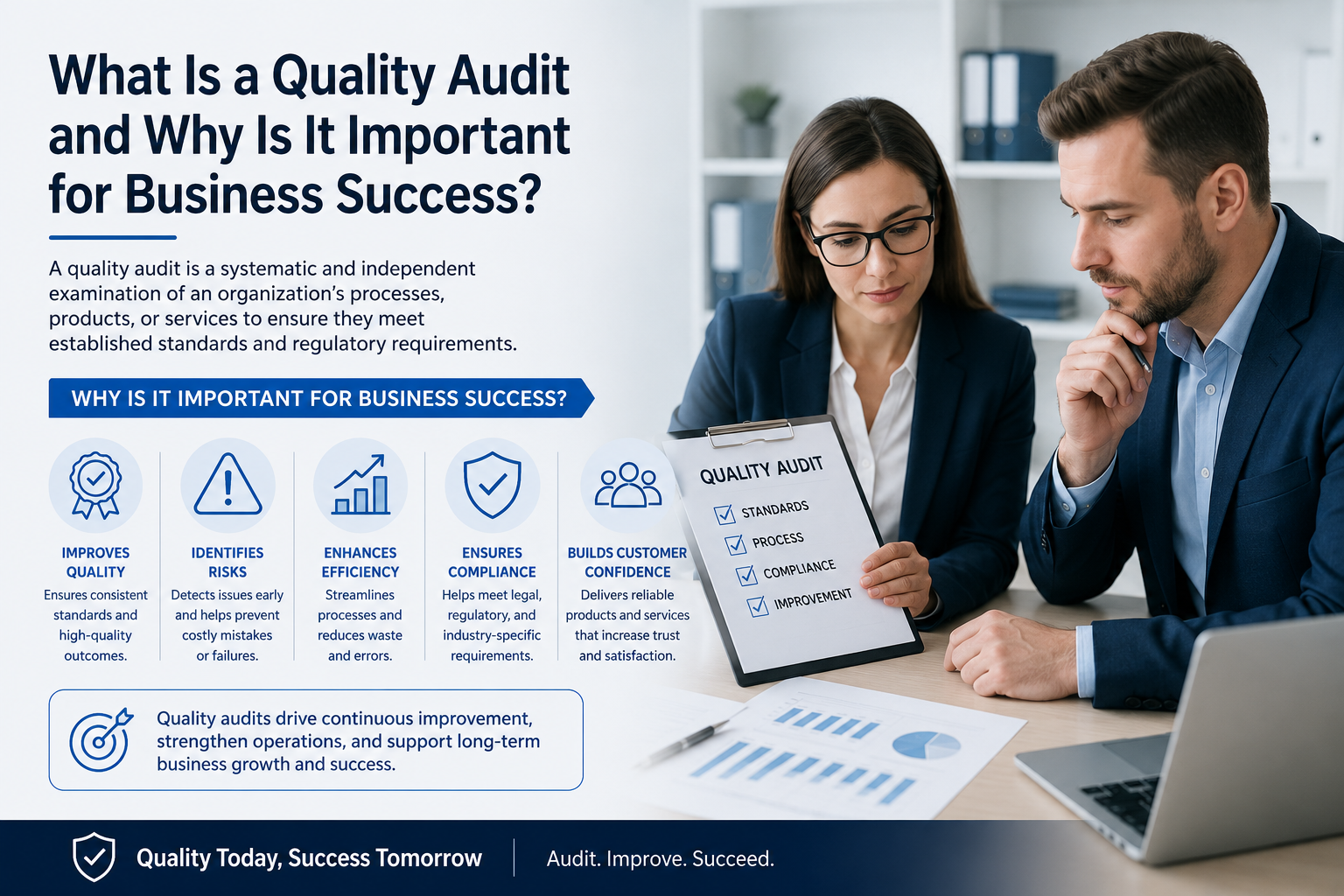
In today’s competitive business landscape, maintaining high standards of quality is essential for success. One of the most effective ways to ensure that your organization adheres to these standards is through a quality audit. But what exactly is a quality audit, and why is it so crucial for the success of your business? In this comprehensive guide, we will delve into the concept of quality audits, their various types, and their importance in fostering business growth and success.
Understanding Quality Audits
A quality audit is a systematic examination of a quality management system (QMS) or specific processes within an organization. It evaluates whether the processes and systems are being followed according to established standards and identifies areas for improvement. Quality audits can take various forms, including:
- Quality Management Audit: This audit assesses the overall quality management system of an organization to ensure compliance with industry standards and regulations.
- Internal Quality Audit: Conducted within the organization, this audit helps identify gaps in processes and ensures that teams adhere to internal policies and procedures.
- Quality Assurance Audit: This type focuses on the processes that ensure quality outputs, verifying that they meet established requirements.
- Quality Control Process: This audit evaluates the quality control measures in place, ensuring they effectively monitor and control the quality of products or services.
The Importance of Quality Audits for Business Success
1. Enhancing Operational Efficiency
A quality audit helps identify inefficiencies within your business processes. By pinpointing areas that require improvement, organizations can streamline operations, reduce waste, and ultimately enhance productivity. This leads to better resource allocation and cost savings, which are critical for any business striving for success.
2. Ensuring Compliance with Industry Standards
In India, many industries are governed by strict regulations and standards. A quality audit ensures that your organization complies with these requirements, mitigating the risk of legal issues and penalties. By adhering to industry standards, businesses can build credibility and trust among customers and stakeholders.
3. Improving Customer Satisfaction
Quality audits play a significant role in enhancing customer satisfaction. By ensuring that products and services meet or exceed customer expectations, businesses can foster loyalty and positive word-of-mouth. Satisfied customers are more likely to return and recommend your business to others, driving revenue growth.
4. Identifying Risks and Opportunities
Quality audits not only identify existing issues but also highlight potential risks and opportunities. By understanding these factors, businesses can take proactive measures to mitigate risks and capitalize on opportunities for growth. This forward-thinking approach is essential for long-term success.
5. Fostering a Culture of Continuous Improvement
Conducting regular quality audits encourages a culture of continuous improvement within the organization. Teams become more aware of the importance of quality and are motivated to implement changes that enhance processes and performance. This culture not only benefits the organization but also empowers employees, leading to higher job satisfaction and retention rates.
How to Conduct a Quality Audit
Conducting a quality audit involves several key steps:
1. Define the Scope
Determine the specific areas of the quality management system or processes that will be audited. Clearly defining the scope helps ensure that the audit remains focused and effective.
2. Gather Documentation
Collect all relevant documentation, including quality policies, procedures, and previous audit reports. This will provide a baseline for evaluation.
3. Plan the Audit
Create an audit plan that outlines the timeline, resources needed, and team members involved in the audit process. This plan helps ensure that the audit is organized and efficient.
4. Conduct the Audit
Perform the audit by reviewing documentation, interviewing staff, and observing processes. Take detailed notes on findings, both positive and negative.
5. Report Findings
Compile the audit findings into a comprehensive report that highlights strengths, weaknesses, and recommendations for improvement. This report should be shared with relevant stakeholders for transparency and accountability.
6. Implement Corrective Actions
Based on the audit findings, develop and implement corrective actions to address identified issues. This could involve process modifications, additional training, or changes in policies.
7. Follow Up
Schedule follow-up audits to ensure that corrective actions have been implemented effectively and that the quality management system continues to meet standards.
Common Challenges in Quality Audits
While quality audits are essential for business success, they are not without challenges. Some common obstacles include:
- Lack of Management Support: Successful audits require buy-in from management. Without support, it may be challenging to implement necessary changes.
- Employee Resistance: Employees may feel threatened by audits, fearing repercussions for mistakes. It’s crucial to foster an environment of openness and continuous improvement.
- Inadequate Training: Auditors need to be well-trained to conduct effective audits. Investing in auditor training can enhance the quality of the audit process.
FAQs About Quality Audits
What is the difference between a quality management audit and a quality assurance audit?
A quality management audit assesses the overall quality management system, while a quality assurance audit focuses specifically on the processes that ensure quality outputs.
How often should a business conduct quality audits?
The frequency of quality audits can vary depending on the industry and specific organizational needs. However, it’s generally recommended to conduct audits at least annually or biannually.
Who should conduct a quality audit?
Quality audits can be conducted by internal auditors or external auditors, depending on the organization’s resources and requirements. Internal audits offer a perspective on established practices, while external audits provide an unbiased evaluation.
What are the benefits of conducting internal quality audits?
Internal quality audits help identify gaps in compliance, improve processes, and foster a culture of continuous improvement within the organization.
Conclusion
In conclusion, a quality audit is a vital component of any successful business strategy. By systematically evaluating your quality management system, you can enhance operational efficiency, ensure compliance, and ultimately improve customer satisfaction. Embracing quality audits as a regular practice will not only help your business thrive but will also foster a culture of continuous improvement that benefits everyone involved.
If you’re ready to elevate your organization’s quality management practices and drive success, consider implementing regular quality audits today. For more information or assistance in conducting a quality audit tailored to your business needs, contact us today!


Leave a Comment